

There’s something quietly odd about a refrigerator that knows your habits better than you do. It tracks when you open the door, how often you reach for the leftovers, and what time you wander into the kitchen at night. That data doesn’t just sit on the device.
Most people assume their smart appliances are simply tools, useful, convenient, occasionally impressive. The reality is a bit more complicated. Behind the touchscreens and voice commands lies a continuous stream of data flowing outward, to manufacturers, cloud servers, and in many cases, to third parties you’ve never heard of.
The Scale of the Connected Home in 2026
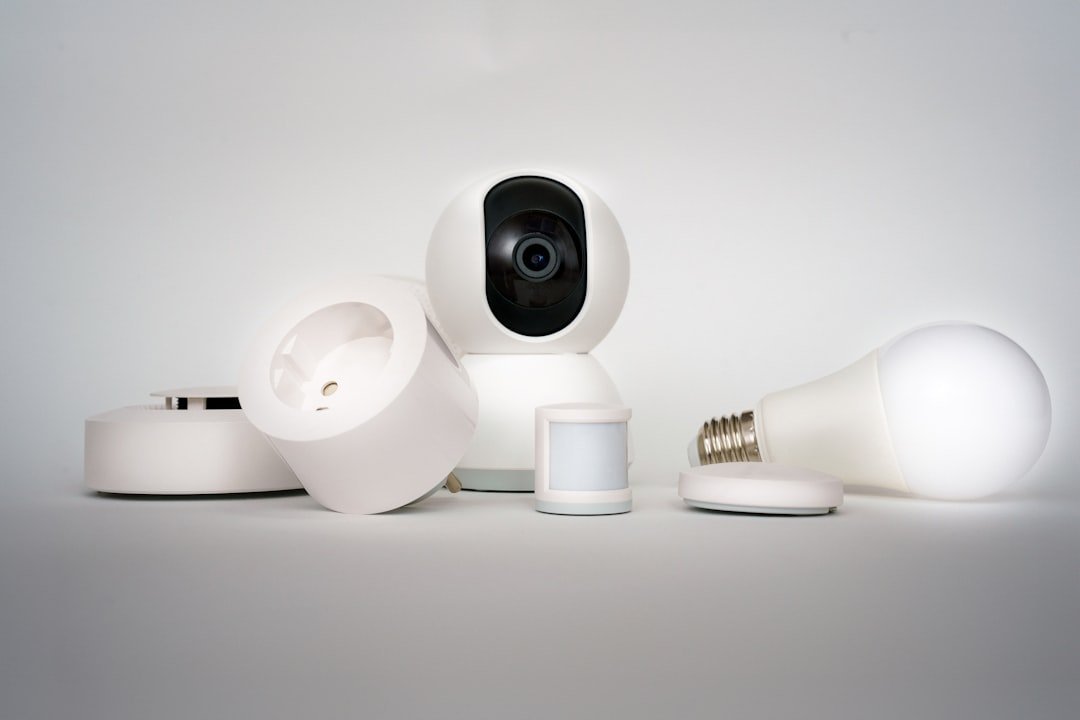
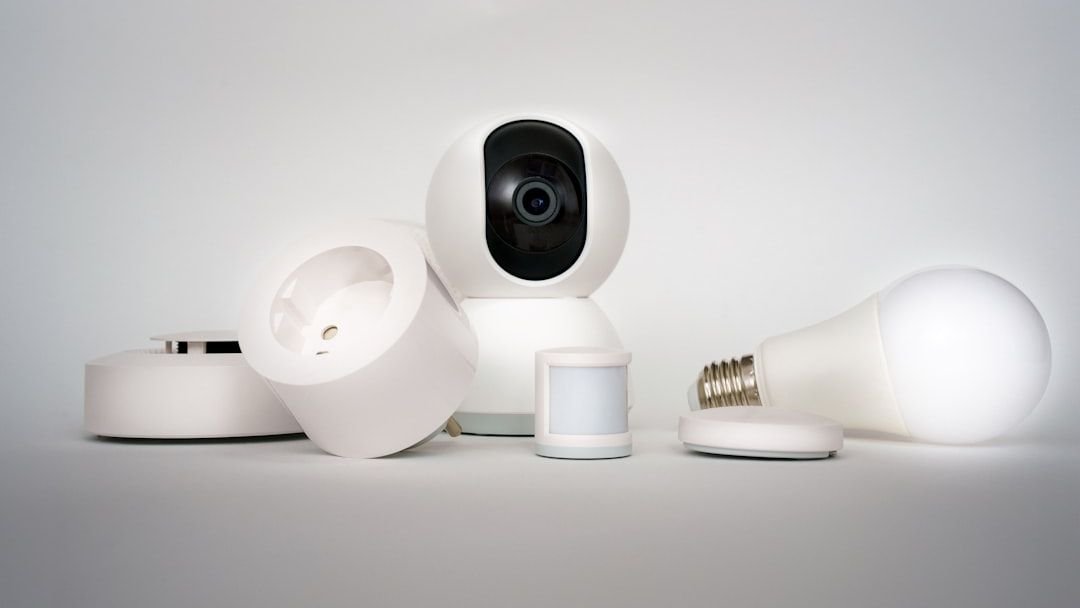
The numbers alone are striking. The number of connected IoT devices reached 18.5 billion in 2024, growing around twelve percent over 2023, and is expected to climb to 21.1 billion by the end of 2025. That growth isn’t slowing down.
Around 63 percent of U.S. households now have at least one smart home device in 2025. The average U.S. household uses 21 IoT-connected devices, up from 15 just two years ago. That’s a lot of potential data collection points sitting inside a single home.
Smart home devices account for roughly a third of all consumer IoT usage globally. The kitchen, once the most analog room in the house, has quietly become one of the most data-rich.
What Your Smart Fridge Actually Collects
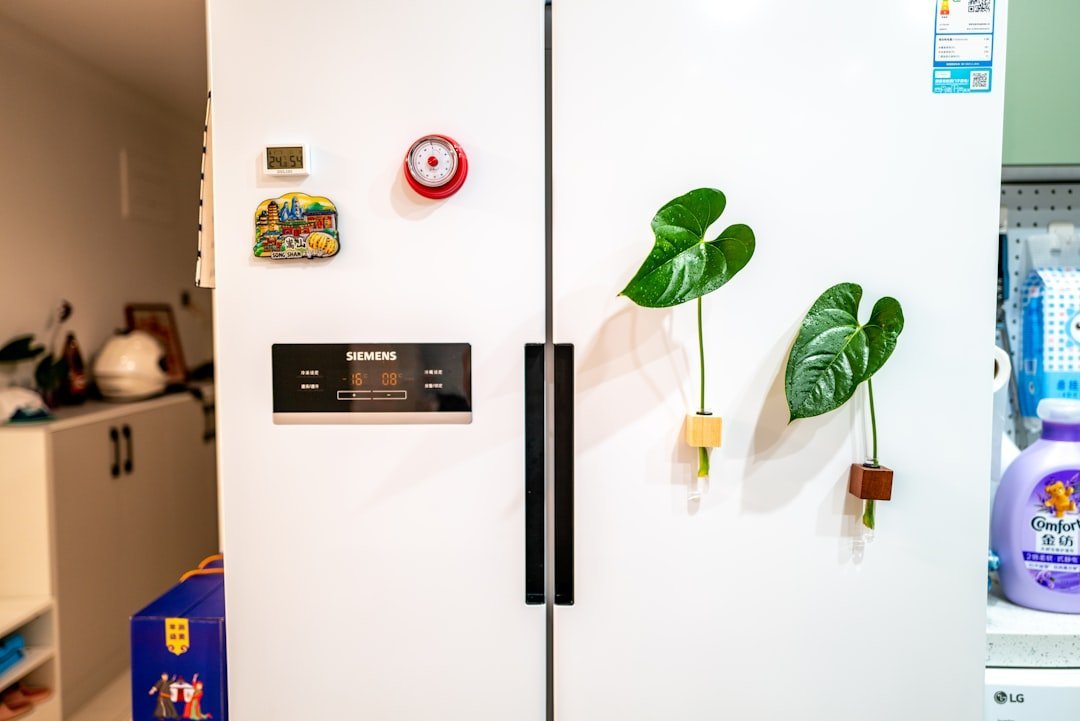
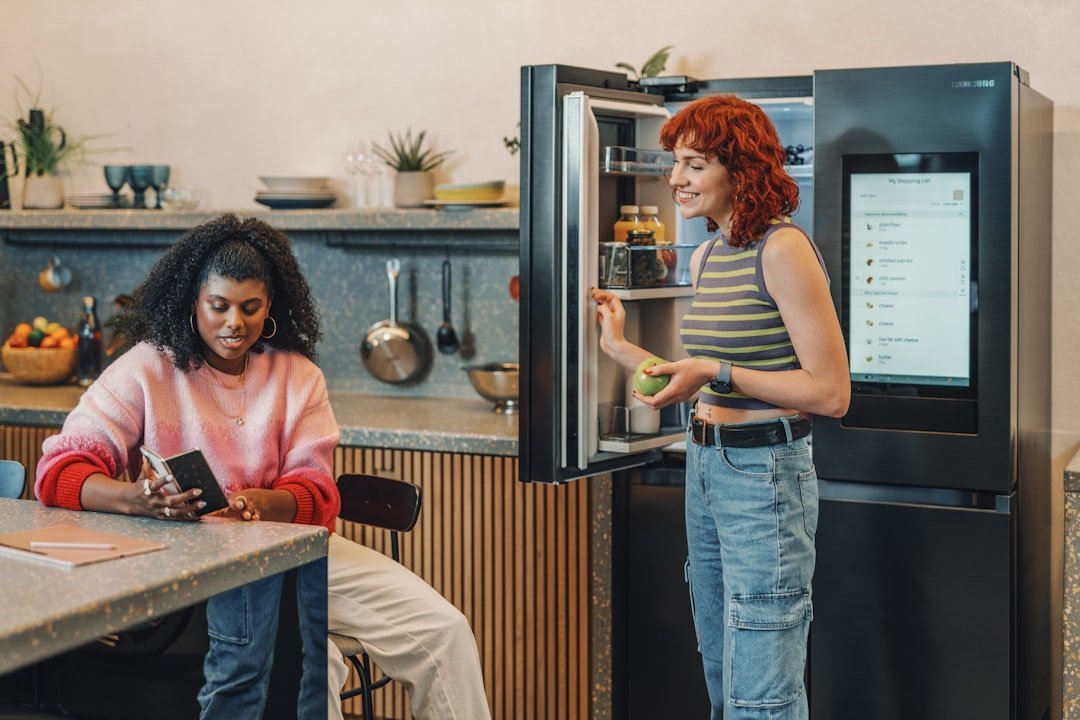
A modern smart refrigerator is packed with sensors, cameras, and internet connectivity. These devices can monitor when the door opens, what temperature settings you use, and even what foods are stored inside. Some models also track consumption patterns to recommend grocery lists or recipes.
That information may seem harmless, but it creates a detailed picture of your lifestyle and routines. Experts say this growing data stream is a major concern in the broader conversation around smart fridge data privacy.
What really separates smart appliances from their predecessors is the data they collect about you, from your home address to your most used washer cycles, to when and how often you open your refrigerator doors. It’s a level of behavioral detail that most consumers don’t fully anticipate when they buy the device.
The Data Packets Leaving Your Home
When your smart fridge connects to Wi-Fi, it often communicates regularly with the manufacturer’s servers. Testing by researchers found that connected appliances can send several megabytes of data each week back to companies. That data may include usage patterns, device status, and other technical information about how the appliance is used.
Consumer Reports conducted data privacy and data security tests on large appliances from brands including GE, LG, Maytag, Samsung, and Whirlpool. These tests included monitoring network traffic to see how “chatty” the appliances are with their manufacturers, along with analysis of privacy policies and data-sharing practices.
Devices capture torrents of behavioral data, documenting daily routines such as sleep schedules, entertainment choices, and household patterns. The fridge is just one piece of a much larger data mosaic being assembled about your home.
Third-Party Access and the Data Broker Pipeline
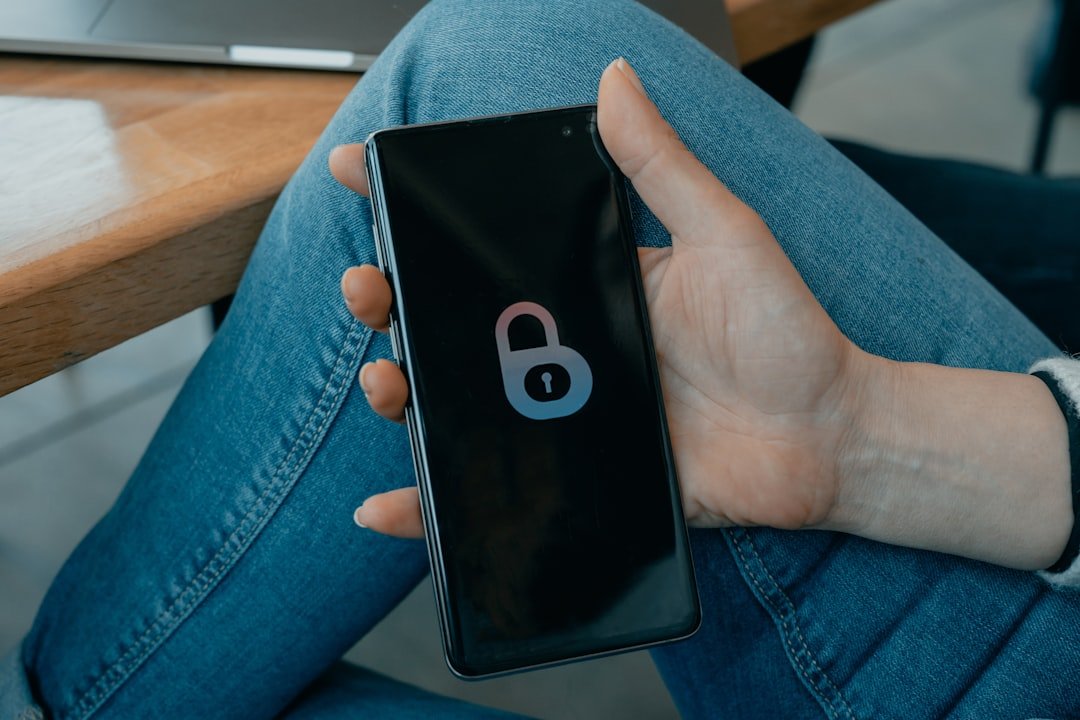
Many smart home systems integrate with third-party services, which can lead to data sharing with multiple entities. Users may not always be aware of how their data is being used or who has access to it.
Many smart refrigerators require a companion smartphone app to unlock their full features. These apps can collect personal information such as ZIP codes, phone numbers, and even geolocation data. Some apps also include third-party trackers that gather additional behavioral data, which can be used for product analytics, targeted advertising, or building customer profiles.
Data brokers specialize in gathering information about consumers and selling it to advertisers, analytics firms, or other organizations. These companies compile detailed profiles that can include shopping habits, household demographics, and lifestyle patterns. Because the United States lacks comprehensive federal oversight for data brokers, consumers often cannot see what information is collected about them.
The Companion App Problem
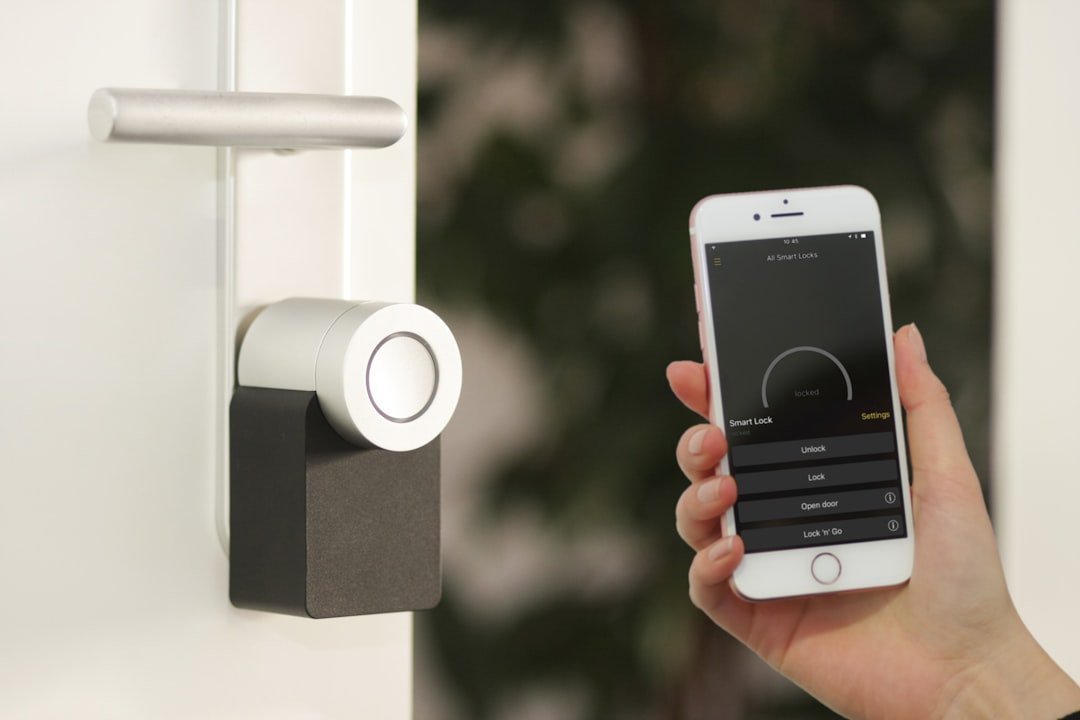
A 2023 study by NYU and IMDEA Networks revealed that local network protocols can leak personal data to third-party advertisers. The problem isn’t always the appliance itself. It’s the software ecosystem surrounding it.
Amazon and Google have developed the most data-hungry smart home apps, while other app creators do not disclose their data collection practices. The apps that control your devices can collect far more than the devices themselves.
Targeted marketing based on device usage, including cases where fridge inventory triggers grocery ads, is already an established practice in this ecosystem. What feels like a helpful nudge is often the product of very deliberate data monetization.
The Privacy Paradox Consumers Face

Research reveals that the trade-off consumers face is mainly affected by four product attributes: the type of data processed, the reason why data is processed, the data sharing frequency, and the financial benefit gained from the smart home appliances. Individuals tend to share less data daily for convenience and often demand some form of compensation for the data sharing.
Research results show that privacy attitudes are not necessarily related to data sharing preferences, while socio-demographics including gender, age, and income do play a role. The results emphasize a gap between people’s attitudes and behaviors regarding data privacy.
Among U.S. consumers, roughly seven in ten have abandoned a transaction due to concerns about how their data was used by a brand, per June 2025 data from Liquid Web. People care about privacy in the abstract, yet still connect dozens of devices in their homes.
Security Risks Beyond Privacy
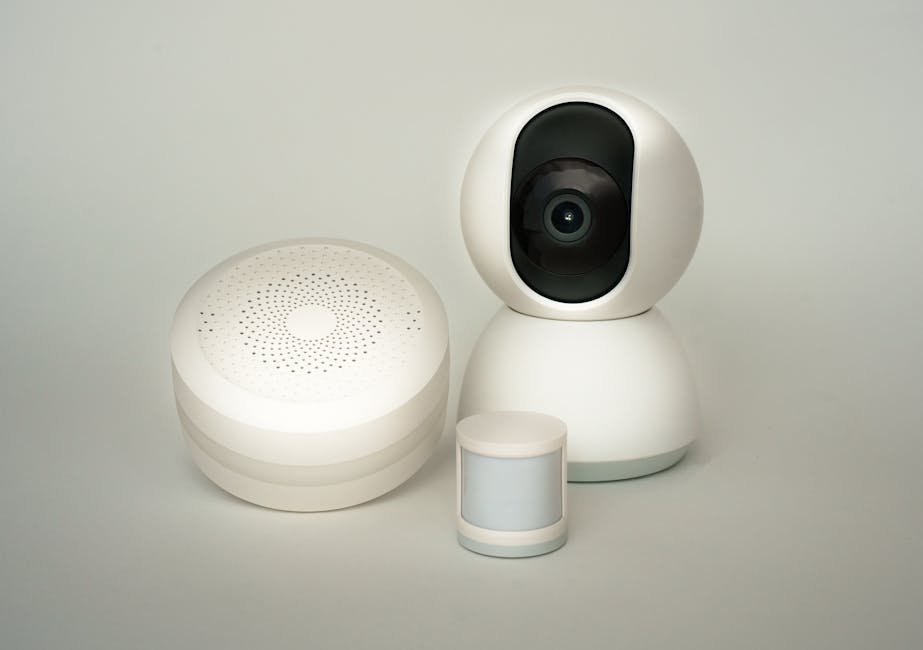
Cyber-attacks pose a significant threat due to the internet connectivity of smart refrigerators, raising concerns around data security and privacy. The fridge isn’t just a privacy risk. It can be a security vulnerability too.
Smart home devices can attract thousands of cyber attacks per week, with data breaches being more common for those owning greater numbers of devices. Data breaches were reported by 11 percent of households with 1 to 15 devices and 19 percent of households with 30 or more devices.
Security breaches in the IoT era have grown both in frequency and impact because of the massive number of connected devices and their often-weak protections. Many IoT devices ship with weak default passwords or lack proper authentication, making them easy targets.
How the Smart Appliance Market Is Responding
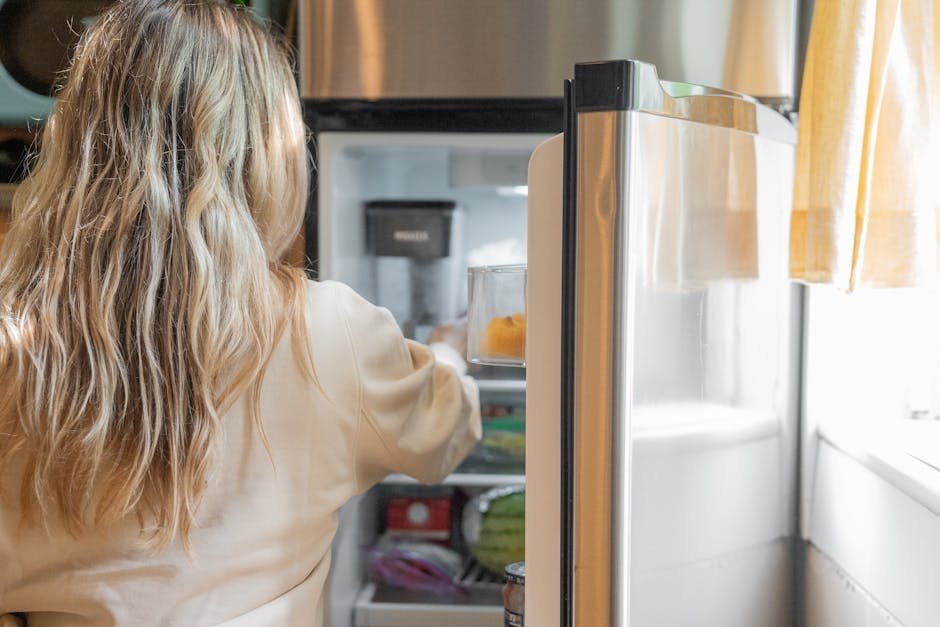
The smart refrigerator market is forecast to increase by nearly eight billion dollars at a compound annual growth rate of 22.4 percent between 2024 and 2029. The market is experiencing significant growth, driven by the increasing adoption of IoT technology and the proliferation of connected devices in households.
Data security is a significant concern, with manufacturers implementing measures to protect users’ data and privacy. Whether those measures are sufficient is, at this point, a genuinely open question. Consumer advocates and security researchers continue to push for stronger standards.
The FCC’s voluntary Cyber Trust Mark indicates that a device meets certain cybersecurity benchmarks. While not mandatory yet, devices bearing the mark have undergone third-party assessments, offering greater peace of mind. It’s a step forward, though a voluntary one.
What Researchers Found When They Looked Closely
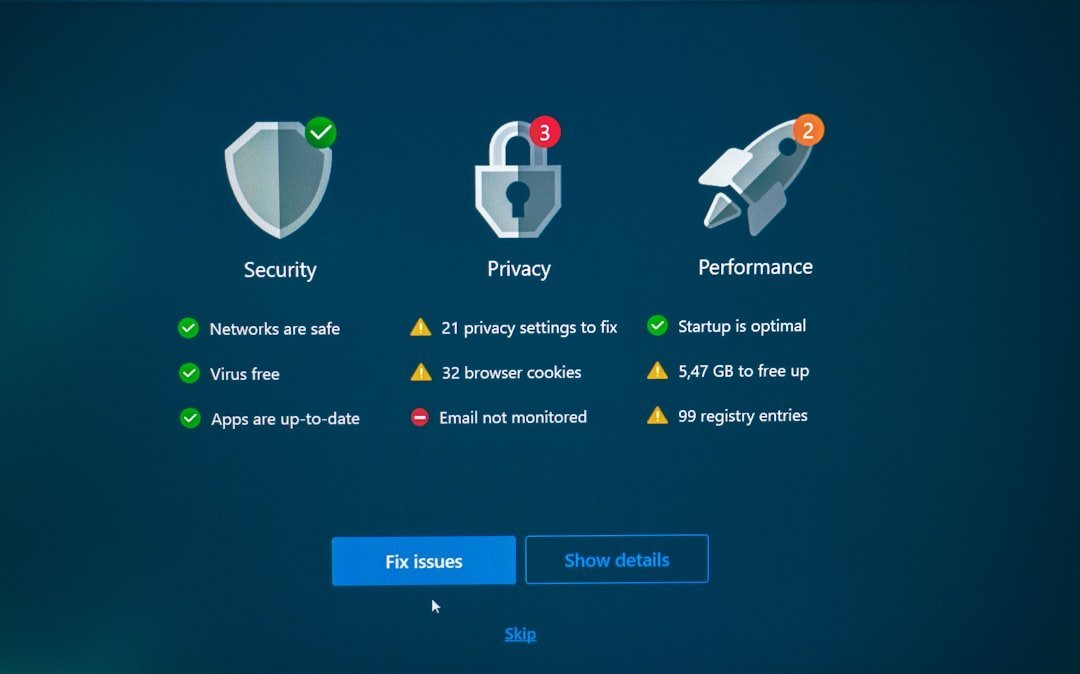
Researchers at a 2025 ACM conference analyzed network traffic from 43 smart consumer products across 11 categories, revealing an extensive and global network of potential data transmission destinations. The breadth of where that data travels is rarely disclosed in plain language to consumers.
Real-time big data analytics can be performed on massive datasets, with AI used for preprocessing before further decision-making or data storage in cloud servers. The outcomes of AI analysis on smart home data serve as a decision-making foundation for third-party applications.
The more personal data are processed, the larger the potential privacy consequences are when these data are abused. That’s a straightforward principle, yet it’s one the industry has been slow to operationalize in a way that genuinely protects ordinary users.
What You Can Actually Do About It
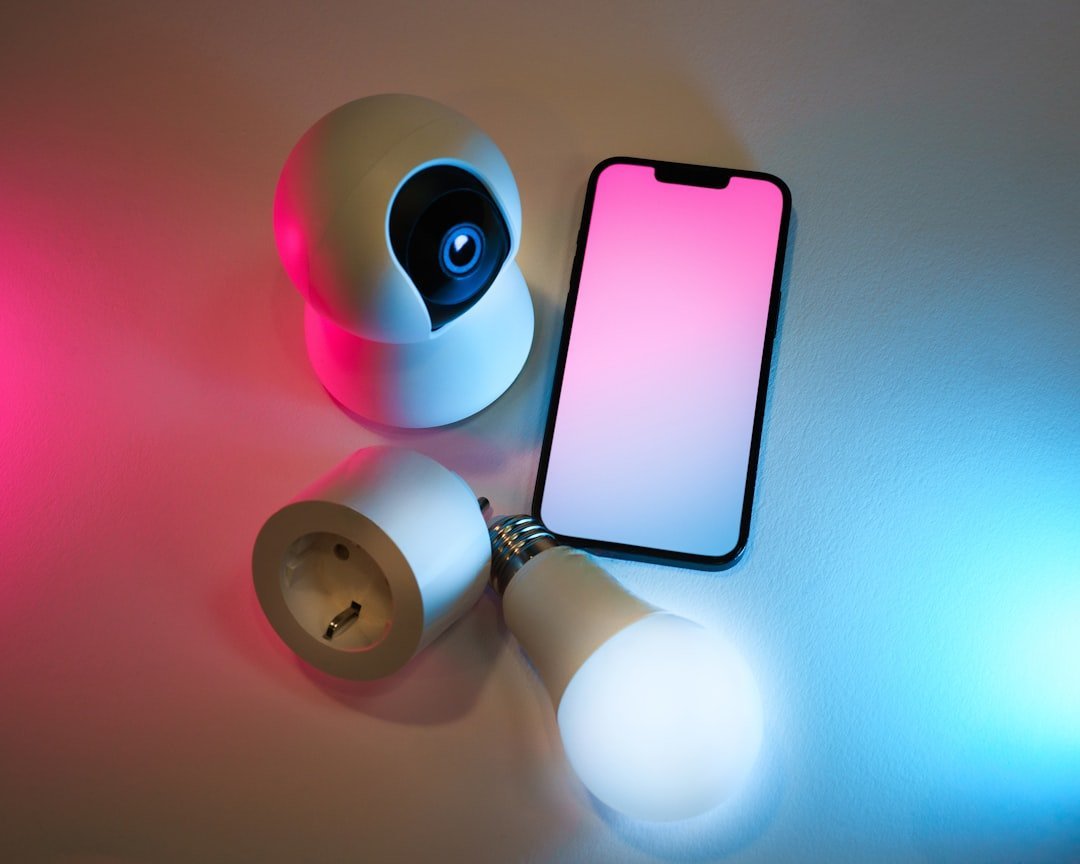
Some homeowners choose to connect appliances to guest Wi-Fi networks to isolate them from personal devices. Reading privacy policies and adjusting settings can also limit data sharing with third parties. These are practical starting points, even if they require effort most consumers aren’t currently making.
Most devices give you the option to opt out of sharing data with the manufacturer. If a device doesn’t give you this option, that absence itself is a signal worth taking seriously before buying.
Tech-savvy users can leverage open-source hubs like Home Assistant or Hubitat to centralize control and enforce local processing, reducing reliance on cloud APIs. For everyone else, the more accessible step is simply to pay attention to what you’re agreeing to when you set up a new device and take the time to adjust the defaults.
The quiet irony of the smart home is this: we invited these devices in because they promised to serve us better. In many ways, they do. The door-left-open alert is genuinely useful. The energy savings are real. Still, convenience has always come with trade-offs, and the ones embedded in a connected refrigerator are less visible than a monthly utility bill.
Understanding what leaves your home network, and where it ends up, is no longer a niche concern for privacy enthusiasts. It’s a basic question of household literacy in 2026. The data flows whether you’re thinking about it or not.