
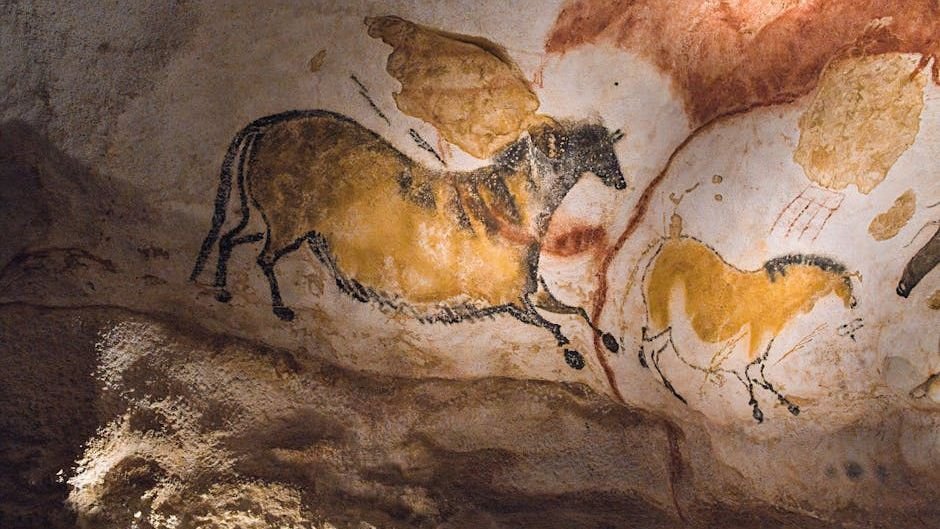

There’s something quietly astonishing about standing in front of a cave wall painted tens of thousands of years ago and wondering whether the person who made it was watching the same sky we observe today. Across Europe and the Near East, a growing body of archaeological research is asking a serious question: did prehistoric people encode observations of the heavens into their art? The idea is no longer dismissed outright. Some of it is now backed by rigorous analysis, radiocarbon dating, and astronomical software. Still, the honest answer is complicated, and the gap between “tracking celestial cycles” and “predicting modern solar activity” is wider than popular headlines suggest.
The Oldest Painted Walls: Chauvet, Lascaux, and the Art That Started the Conversation
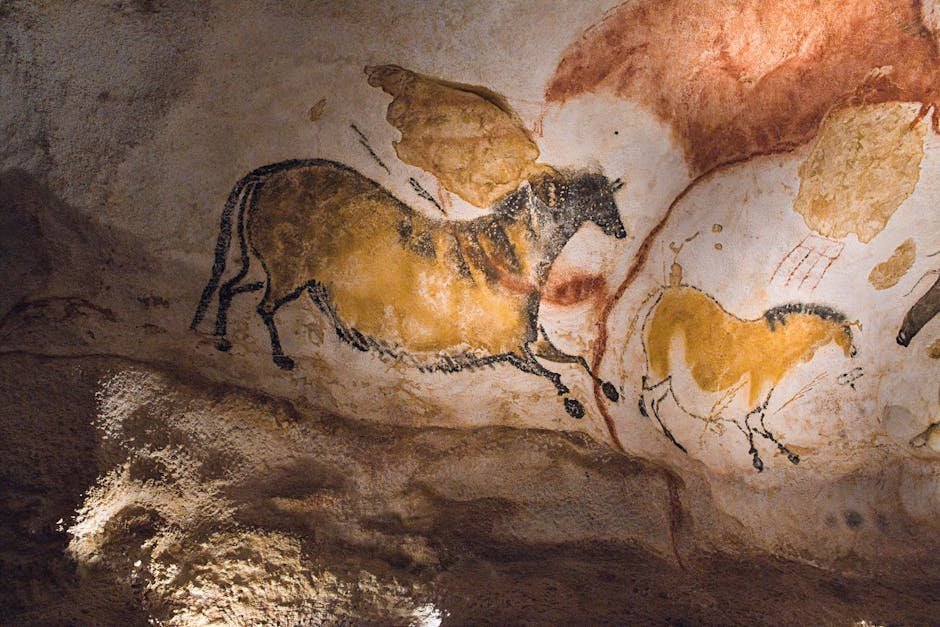
The cave art at Chauvet in southeastern France is among the oldest ever found, with paintings dating back roughly 30,000 to 36,000 years. These aren’t crude scratches. Hundreds of animal paintings have been catalogued at Chauvet, depicting at least thirteen different species, including predatory animals like cave lions, leopards, bears, and cave hyenas that are rarely found in other Ice Age cave art. The sheer sophistication of the imagery challenged long-held assumptions about the cognitive abilities of early humans.
Lascaux Cave, a network of caves in southwestern France, contains over six hundred parietal wall paintings covering its interior walls and ceilings. The paintings represent primarily large animals typical of the local Upper Paleolithic fauna, and their age is now usually estimated at seventeen thousand to twenty-two thousand years. Within those walls, researchers began noticing something that wasn’t easily explained by hunting rituals alone: patterns of dots, geometric signs, and animal groupings that seemed to align with something beyond the visible landscape.
Animals That May Be Stars: The Constellation Hypothesis
Some of the world’s oldest cave paintings have revealed how ancient people had relatively advanced knowledge of astronomy. The artworks, at sites across Europe, are not simply depictions of wild animals as was previously thought. Instead, analysis suggests the animal symbols represent star constellations in the night sky, used to represent dates and mark events such as comet strikes. This reinterpretation came from researchers at the Universities of Edinburgh and Kent.
Researchers from the Universities of Edinburgh and Kent studied details of Paleolithic and Neolithic art featuring animal symbols at sites in Turkey, Spain, France, and Germany. They found all the sites used the same method of date-keeping based on sophisticated astronomy, even though the art was separated in time by tens of thousands of years. The team confirmed their findings by comparing the age of many examples of cave art, determined by chemically dating the paints, with the positions of stars in ancient times as predicted by sophisticated software. The level of consistency across sites separated by geography and millennia is what gave the findings their unusual weight.
Lascaux and the Pleiades: Reading the Bull Painting
New research has suggested that the Lascaux paintings may incorporate prehistoric star charts. Dr. Michael Rappenglück of the University of Munich argued that some of the non-figurative dot clusters within some of the figurative images correlate with the constellations of Taurus, the Pleiades, and the grouping known as the Summer Triangle. This isn’t a fringe reading. The geometry of the dot clusters is specific enough to invite serious attention.
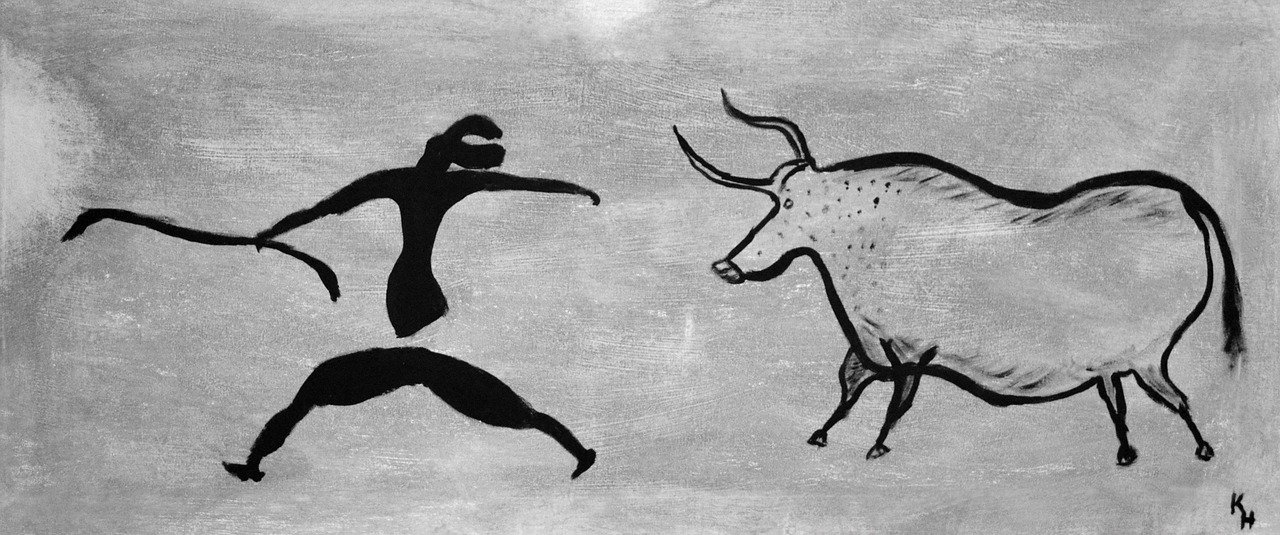
Near the entrance of the Lascaux cave complex is a painting of a bull. Hanging over its shoulder is what appears to be a map of the Pleiades, the cluster of stars sometimes called the Seven Sisters. Inside the bull painting, there are also spots that may represent other stars found in that region of the sky. Today, this region forms part of the constellation of Taurus the bull, with the remarkable suggestion of a direct transfer of information over seventeen thousand years. Whether this was intentional star mapping or visual coincidence remains genuinely debated.
Göbekli Tepe: Where Stone Carvings May Become a Solar Calendar
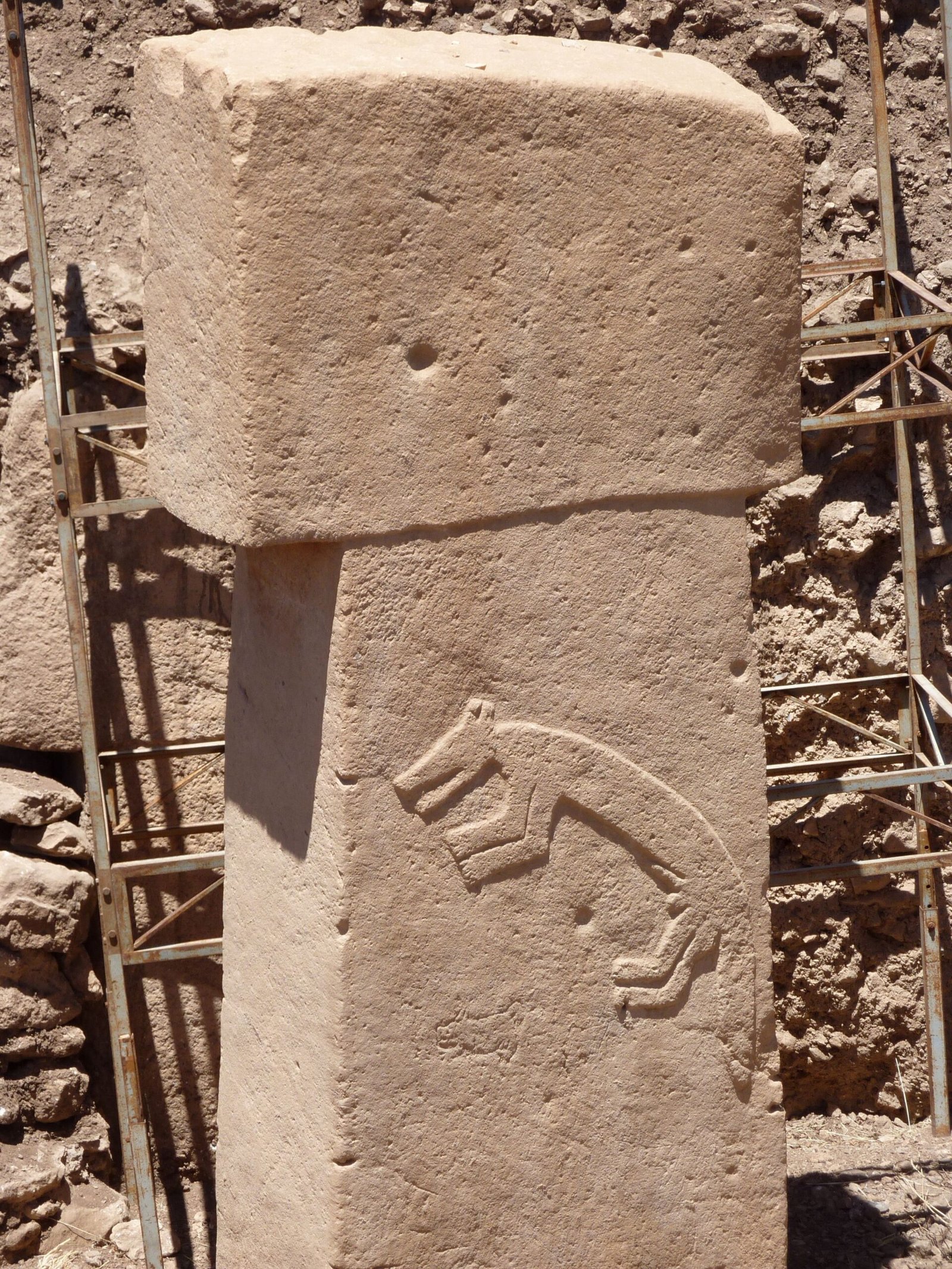
Göbekli Tepe, an archaeological site in southern Turkey, features several Neolithic temple-like enclosures adorned with many intricately carved symbols. It is among the earliest known examples of man-made megalithic buildings, constructed by groups of hunter-gatherers in the Pre-Pottery Neolithic period, between 9,600 and 8,200 BCE. What makes Göbekli Tepe particularly striking is not just its age, but what its carvings may actually say.
Research suggests ancient people were able to record their observations of the sun, moon, and constellations in the form of a solar calendar, created to keep track of time and mark the change of seasons. Fresh analysis of V-shaped symbols carved onto pillars at the site has found that each V could represent a single day. This interpretation allowed researchers to count a solar calendar of 365 days on one of the pillars, consisting of twelve lunar months plus eleven extra days. The summer solstice appears as a separate, special day, represented by a V worn around the neck of a bird-like beast thought to represent the summer solstice constellation at the time.
Precession of the Equinoxes: A Discovery 10,000 Years Ahead of Schedule
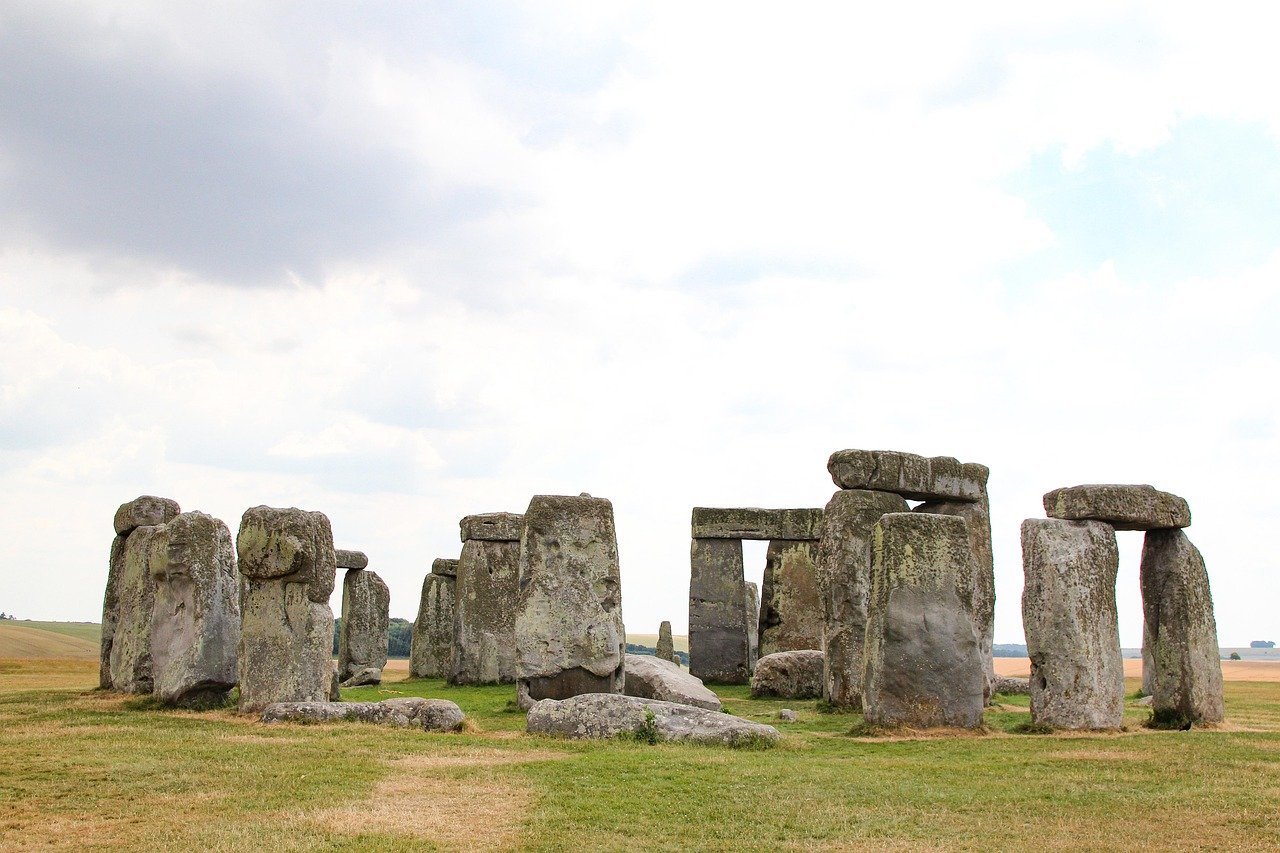
The findings suggest that as far back as forty thousand years ago, humans kept track of time using knowledge of how the position of the stars slowly changes over thousands of years. The findings suggest that ancient people understood an effect caused by the gradual shift of Earth’s rotational axis. Discovery of this phenomenon, called precession of the equinoxes, was previously credited to the ancient Greeks. That credit may now need to be reconsidered.
The Göbekli Tepe find appears to confirm that ancient people were able to record dates using precession, the wobble in Earth’s axis which affects the movement of constellations across the sky, at least ten thousand years before the phenomenon was documented by Hipparchus of Ancient Greece in 150 BC. This finding also appears to confirm that ancient people recorded dates using this same axial wobble. The carvings appear to have remained important to the people of Göbekli Tepe for millennia, suggesting the impact event may have triggered a new cult or religion that influenced the development of civilisation.
Solar Cycles Then and Now: What Modern Science Actually Measures
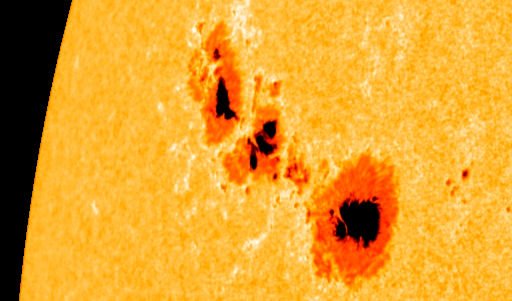
In October 2024, representatives from NASA, NOAA, and the Solar Cycle Prediction Panel announced that the Sun had reached its solar maximum period. Roughly every eleven years, at the height of the solar cycle, the Sun’s magnetic poles flip, and the Sun transitions from sluggish to active and stormy. This rhythmic behavior has been formally tracked since 1755, giving us a reliable record of twenty-five complete solar cycles.
Solar Cycle 25 peaked in October 2024, with a Smoothed Sunspot Number of 161. When Solar Cycle 25 began in 2019, scientists predicted that it would be a fairly weak to average cycle. However, Solar Cycle 25 activity exceeded expectations. It ramped up much faster than predicted, producing more sunspots and eruptions than had been forecasted. The actual strength of the cycle reminded scientists that solar behavior, despite centuries of observation, still holds surprises.
The Gap Between Celestial Observation and Solar Cycle Prediction
For prehistoric cultures, solar observations were crucial for calendrical and ceremonial purposes. Not only for a solstice or equinox, but also for rare events such as a solar eclipse, these events would have been recorded. However, there is always the danger of misinterpretation when considering rock art and solar interaction. That last point deserves emphasis. Researchers working in archaeoastronomy are themselves careful to separate what the evidence supports from what enthusiasts sometimes want it to say.
Tracking the summer solstice or the return of a particular star grouping is a fundamentally different cognitive task from measuring the roughly eleven-year sunspot cycle. The solstice is visible every year; sunspot activity requires sustained, multigenerational recording with a clear framework for comparison. Many of the astronomical interpretations, by contrast, have been unscientific and highly speculative, arguably undermining more serious research in this area. The more credible findings, like those from Göbekli Tepe and Lascaux, deal with stellar positions and seasonal cycles, not solar activity in the modern electromagnetic sense.
What Ancient Symbolism Research in 2023 and 2024 Actually Found
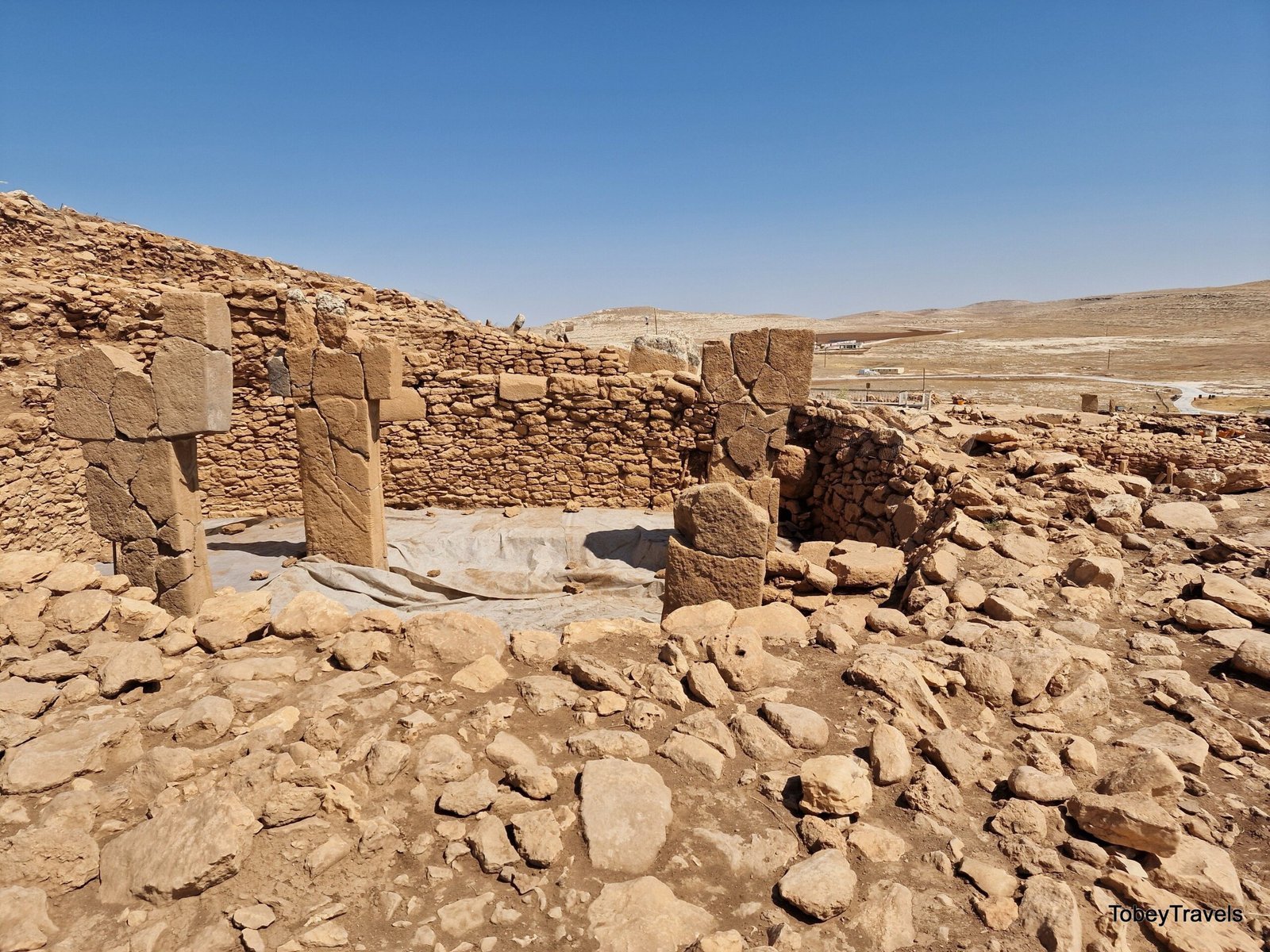
Research published in 2024 in the journal Time and Mind showed how V-symbols on Pillar 43 at Göbekli Tepe can be interpreted in terms of a lunisolar calendar system with eleven epagomenal days, which would make it the oldest known example of its type. Furthermore, it is shown how Göbekli Tepe’s eleven-pillar enclosures and a megalithic eleven-pillar pool structure at nearby Karahan Tepe can also be interpreted in terms of the same lunisolar calendar system. This is specific, measurable, and peer-reviewed, which puts it in a different category than many claims circulating about ancient astronomy.
Both Göbekli Tepe and Karahan Tepe demonstrate an advanced knowledge of astronomy and a shared lunisolar calendar system, suggesting they were part of an extended local culture. The V-symbol markings seen on statues and other artifacts around Karahan Tepe are interpreted as representing time-controlling or creator deities. These symbols suggest a continuity of astronomical and religious knowledge from the prehistoric to the historic periods in this region. What this does not yet prove is any precise awareness of multi-year solar activity patterns comparable to what NOAA now monitors in real time.
The Real-World Stakes of Solar Awareness: Ancient and Modern

Also available on NASA’s Image and Video Library as GSFC_20171208_Archive_e001662, CC BY 2.0)
During the most active part of the cycle, known as solar maximum, the Sun can unleash immense explosions of light, energy, and solar radiation, creating conditions known as space weather. Space weather can affect satellites and astronauts in space, as well as communications systems such as radio and GPS, and power grids on Earth. For modern civilization, these effects are consequential. The May 2024 geomagnetic storms during the peak of Solar Cycle 25 disrupted GPS signals globally and made auroras visible at unusually low latitudes.
For prehistoric peoples, the stakes were different but no less real. Seasonal change, animal migration, and the timing of harvests were all tied to the sky. Countless cases of astronomical representations in rock art around the world seem to prove that one of the early cognitive abilities of non-literate people was to observe the sky. Indeed, the depiction of astronomical bodies like the sun, the moon, and less occasionally cometary phenomena, constitute examples of the cognitive processes of those early societies, allowing argument about their ways of thought regarding those celestial bodies, which become translated not only into spiritual issues but also in a pragmatic way in the use of calendars.
Where the Evidence Ends and the Speculation Begins
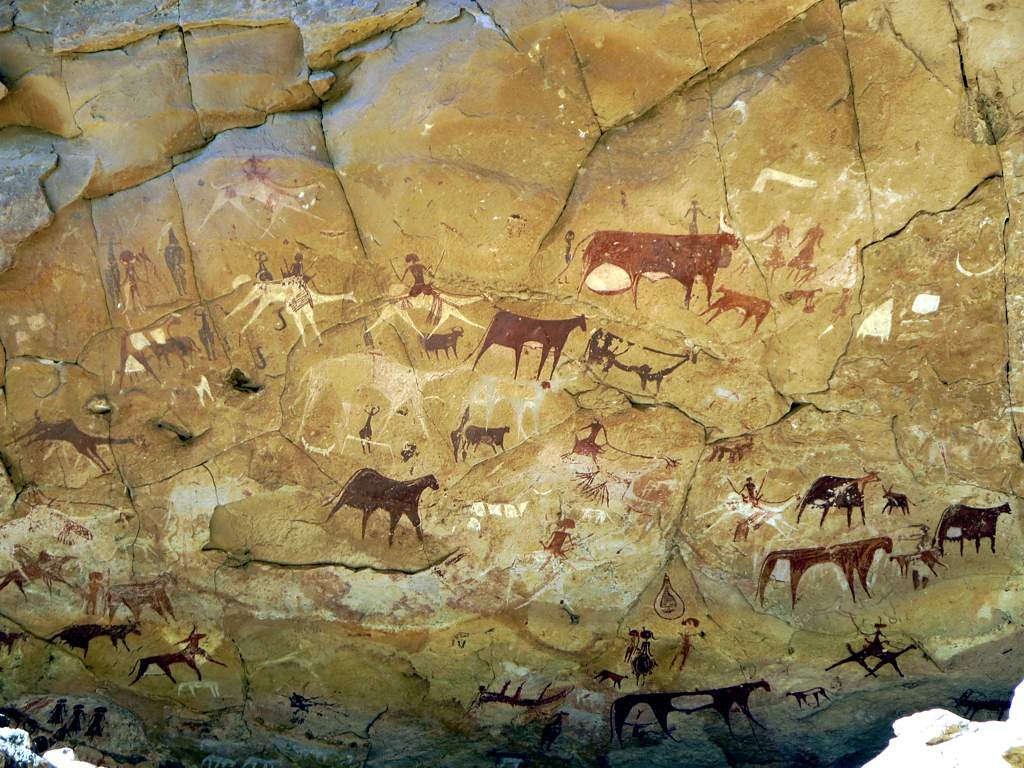
The title of this article poses a question that the evidence can only partially answer. Ancient peoples were sophisticated sky watchers. The cave paintings suggest that, perhaps as far back as forty thousand years ago, humans kept track of time using knowledge of how the position of the stars slowly changes over thousands of years. For example, the findings suggest that ancient people understood an effect caused by the gradual shift of Earth’s rotational axis. That is genuinely remarkable. Yet understanding axial precession is not the same as understanding the sunspot cycle.
There is no verified archaeological evidence that Paleolithic or Neolithic peoples recorded or predicted the roughly eleven-year rhythm of solar magnetic activity. The symbolic carvings at Lascaux, Chauvet, and Göbekli Tepe point convincingly toward stellar calendars, seasonal tracking, and possibly the recording of catastrophic cosmic events. In this sense, prehistoric art is probably a form of narration related to oral traditions and the transmission of knowledge. It was a record of the observable sky, passed down through generations in pigment and stone, not a prediction engine for electromagnetic solar phenomena that only became measurable in the modern era.
A Fair Reading of What the Stone Actually Says
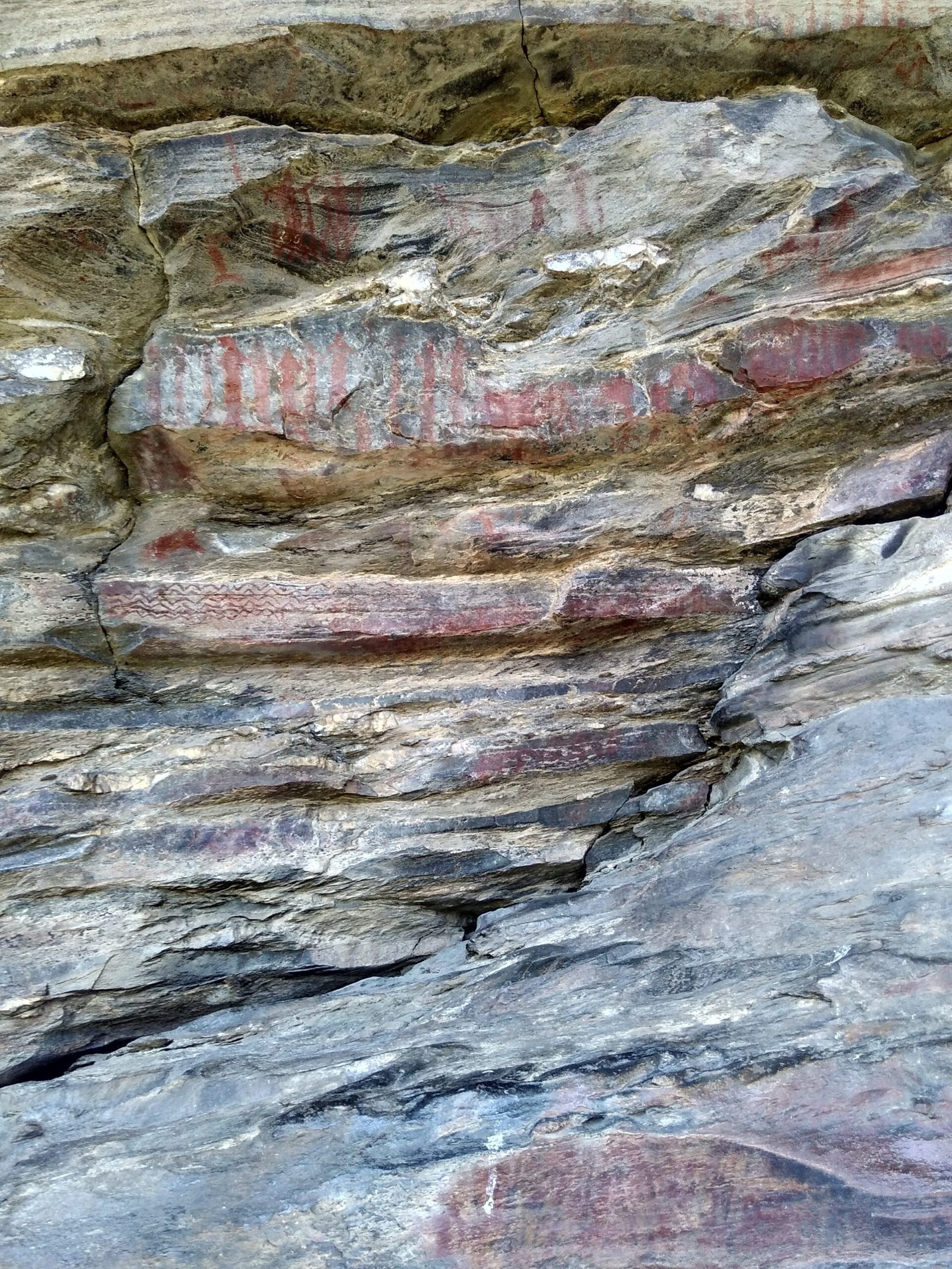
The shared method of record-keeping across different places, peoples, and eras shows a shared human understanding of the astral world. Though there are likely minor variations, the art and astronomy was probably all connected with an ancient mythology, making it a central part of their lives, perhaps the way they understood nature. That framing feels right. These weren’t proto-scientists running controlled experiments. They were people building meaning around the most reliable, visible order they could find in a world full of uncertainty.
The findings at Göbekli Tepe challenge our understanding of prehistoric societies, revealing that they possessed a level of astronomical knowledge previously thought to have been developed much later. That’s the real story here, and it’s more than enough. The headline claiming cave art “predicts” solar cycles is a stretch. The truth, that ancient humans mapped stars, tracked seasons, and built calendars in stone with stunning precision, is extraordinary on its own terms. No inflation needed.
The cave paintings do not predict Solar Cycle 25. What they show is something perhaps more profound: that the instinct to look up, to track patterns in the sky, and to encode that knowledge for future generations stretches back at least forty thousand years. Every modern observatory is, in some sense, a descendant of that painted limestone wall.