

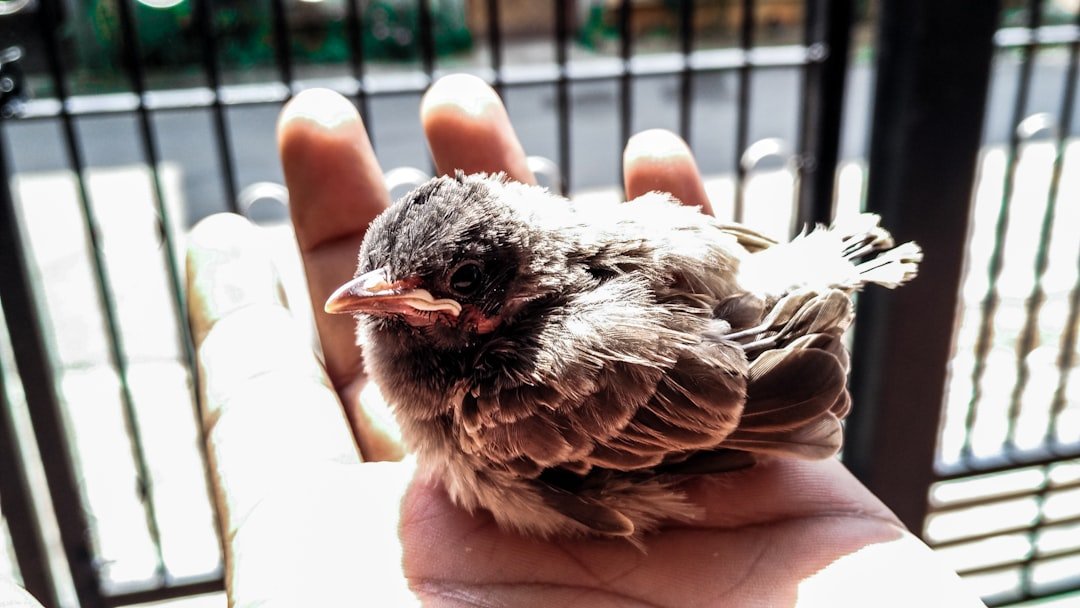
A Persistent Global Threat Emerges (Image Credits: Unsplash)
The H5N1 avian influenza virus continues to circulate widely among wild birds, poultry, and mammals, raising concerns about its potential to spark a human pandemic.[1] Moderna announced the start of a pivotal Phase 3 trial for its experimental mRNA vaccine on April 21, 2026, marking the first late-stage test of an mRNA-based shot against pandemic bird flu.[3][4] This development builds on promising early data and aims to bolster global readiness against a virus that has infected over 100 people since 2024, though without sustained human-to-human transmission.[1]
A Persistent Global Threat Emerges
The H5N1 strain, specifically clade 2.3.4.4b, evolved about a decade ago and now affects birds across continents, including Antarctica.[1] Outbreaks have hit poultry farms and spread to mammals like dairy cattle in the United States, prompting worries about further adaptation. Human cases remain rare and tied to animal contact, but experts emphasize the risk of mutation enabling easier spread.
Richard Pebody, Director of Epidemic and Emerging Infections at the UK Health Security Agency, stated, “A flu pandemic is the most likely future pandemic. And it’s really critical that we ensure we’re properly prepared.”[1] Countries stockpile traditional vaccines, such as the UK’s 5 million doses of egg-based H5N1 shots, yet these face production delays during outbreaks.[1]
mRNA’s Speed Edge Over Traditional Vaccines
Moderna’s candidate, mRNA-1018 or mRNA-1018-H5, leverages the same messenger RNA platform proven in COVID-19 vaccines.[3][4] This technology allows rapid design – within days – and scalable manufacturing without eggs or cell cultures, offering a key advantage for emerging threats.[1]
Early Phase 1 and 2 trials demonstrated strong immune responses with no major safety issues in hundreds of participants.[1] Hiwot Hiruy, Senior Director of Clinical Development at Moderna, noted, “We cannot predict the timing or the severity of the next pandemic. However, with continued circulation of influenza viruses in animal populations, and the potential for virus adaptation, preparedness remains essential.”[1]
Unpacking the Phase 3 Trial Design
The randomized, observer-blind, placebo-controlled study targets 4,000 healthy adults aged 18 and older across the US and UK.[5][3][4] Participants receive two intramuscular doses on Days 1 and 22, with half prioritized as over-65s or poultry workers in the UK.[1]
Primary endpoints focus on immunogenicity, such as hemagglutination inhibition (HAI) titers above 1:40 and seroconversion rates at Day 43, alongside safety metrics like adverse reactions.[4] The trial excludes those with recent illnesses, immunocompromised conditions, or prior pandemic flu vaccines.
- Enrollment: Approximately 4,000 participants
- Locations: Multiple US states (e.g., California, Texas) and UK sites (e.g., London, Glasgow)
- Dosing: Two doses, 21 days apart
- Duration: Safety follow-up to Day 205
- Status: Recruiting[4]
Navigating Funding Hurdles to Launch
Development faced setbacks when US Health Secretary Robert F. Kennedy Jr. canceled over $700 million in HHS contracts last May, citing concerns over mRNA tech.[3] The Coalition for Epidemic Preparedness Innovations (CEPI) stepped in with $54 million in December 2025, enabling this Phase 3 push.[3]
Moderna Chief Executive Stephane Bancel highlighted the urgency: “H5 influenza, or bird flu, remains a pandemic threat.”[3] Under CEPI terms, Moderna pledges 20% manufacturing capacity for low- and middle-income countries during a declared pandemic.[3] Data from its seasonal flu vaccine, mRNA-1010 under regulatory review, will support future approvals.[3]
- mRNA-1018 represents the first pandemic bird flu vaccine in Phase 3 using mRNA technology.
- Trial emphasizes older adults and at-risk workers amid H5N1’s animal spread.
- Success could enable rapid scaling, outpacing traditional methods.
As H5N1 persists without easy human vaccines, this trial stands as a proactive shield against escalation. Success here could redefine pandemic response, proving mRNA’s versatility beyond COVID-19. What do you think about accelerating mRNA vaccines for animal-origin threats? Tell us in the comments.