

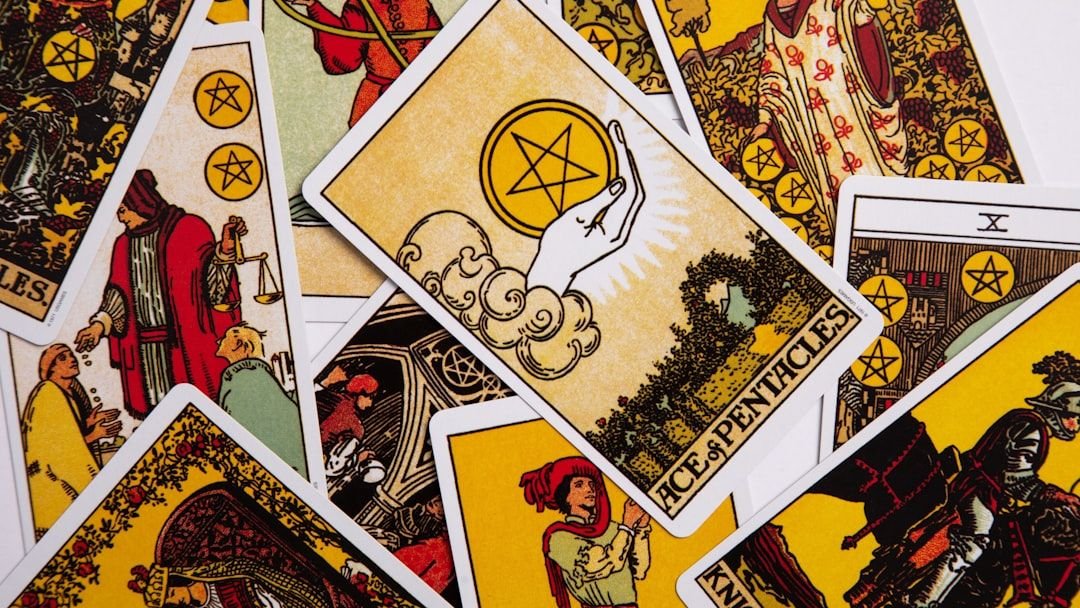
Rooted in Earth: Symbols and Associations (Image Credits: Unsplash)
The suit of Pentacles forms the bedrock of Tarot’s Minor Arcana, linking the mystical to the everyday through its deep ties to the Earth element. These cards address the physical realm, offering counsel on finances, career paths, health, and home life where patience yields tangible rewards.[1][2] Linked to the grounded zodiac signs of Taurus, Virgo, and Capricorn, Pentacles emphasize steady effort, resource management, and long-term growth in a fast-paced world.[3]
Rooted in Earth: Symbols and Associations
Unlike the fiery passion of Wands or the emotional depths of Cups, Pentacles focus on what readers can touch and build. The suit mirrors Earth’s qualities – fertile, stable, and nurturing – governing material possessions, work ethic, and physical well-being. Prosperity emerges not from chance but from disciplined investment of time and energy.[4]
Court cards in this suit often represent individuals with Earth sign influences: the reliable Taurus provider, the meticulous Virgo planner, or the ambitious Capricorn leader. Themes span beyond money to include family legacies, community ties, and personal security, reminding seekers that true abundance balances body, home, and hearth.
- Finances and investments
- Career development and skills
- Health and physical routines
- Home, family, and traditions
- Manifestation through effort
Progression of the Numbered Cards
The numbered Pentacles trace a journey from fresh potential to enduring wealth, much like seeds growing into a bountiful harvest. Each card builds on the last, highlighting stages of material evolution where setbacks teach resilience.
Ace signals new ventures in prosperity; Two demands balance amid change; Three fosters collaboration for craftsmanship. Four warns of hoarding, while Five confronts hardship and isolation. Six promotes generosity, Seven calls for patient evaluation, and Eight stresses mastery through repetition. Nine celebrates self-sufficiency, and Ten crowns the suit with family security and legacy.[1][2]
| Card | Upright Focus | Reversed Caution |
|---|---|---|
| Ace | Opportunity, abundance | Missed chance |
| Five | Loss, worry | Recovery |
| Seven | Perseverance, investment | Impatience |
| Ten | Legacy, wealth | Instability |
Court Cards: Embodiments of Practical Power
Page of Pentacles embodies the eager student, manifesting dreams through study and diligence. Knight plods forward with routine hard work, embodying reliability but risking stagnation. Queen nurtures abundance, blending generosity with financial savvy, while King commands security through disciplined leadership.[4]
These figures appear in readings as mentors or aspects of self, urging grounded action. Reversed, they signal blocks like procrastination or over-attachment to status, prompting a return to Earth’s lessons of balance.
Pentacles in Practice: Upright Strength and Reversed Lessons
Upright Pentacles affirm progress in the material sphere, validating efforts in career climbs or health regimens. A dominant suit in a spread points to financial priorities or calls for practicality amid chaos. Readers find reassurance in their slow-but-sure energy, ideal for long-term planning.[1]
Reversals introduce friction: greed from Four, burnout from Knight, or fleeting gains from Ten. Yet they offer pivots – release control, seek aid, or reassess investments. In love, Pentacles stress commitment over flash; in health, consistent care trumps extremes.
Key Takeaways
- Pentacles ground Tarot in Earth’s realities: finances, work, body, and home.
- Linked to Taurus, Virgo, Capricorn – embrace patience for prosperity.
- Progress demands effort; reversals teach flexibility and release.
Pentacles teach that wealth flows from roots sunk deep into reality, where ambition meets endurance. Next time a Pentacle appears, pause to plant intentionally. What abundance are you cultivating? Tell us in the comments.