

What the CGC Census Actually Tells You (and What It Doesn’t)
The CGC Census is a database that tracks how many copies of each comic book have been graded and at what grade levels. For collectors and investors, this data is foundational. It shapes pricing, rarity assumptions, and bidding behavior at every major auction.
CGC publishes census reports showing how many of each comic exist at each grade, with low population at high grades equating to rarity and premium pricing. If only 47 copies exist at a 9.8, that grade can command a three to four hundred percent premium over a 9.6. That math is powerful, and it’s precisely why census manipulation or misrepresentation matters so much.
What the census cannot do on its own is flag every instance of undisclosed restoration. A book graded years ago, possibly before detection methods improved, may have slipped through. The label tells you what was detected at the time of grading, not necessarily what a more rigorous modern examination would uncover.
The Restoration Label Problem: Purple vs. Blue
Restoration is the act of adding foreign material to a comic book through certain techniques to return its appearance to an ideal or original state. When CGC identifies this, they assign a purple “Restored” label rather than the standard blue “Universal” one. This distinction is not subtle in terms of value.
There was also the Jason Ewert trimming scandal, where a submitter found a way to trim books that CGC didn’t notice. Trimmed books are considered “restored” and worth about a third of Universal or Signature Series books with no restoration. One third. That’s the kind of price gap that makes concealment financially tempting and market disruption very real.
Many collectors bought comics long before CGC existed, when only hardcore collectors cared about restoration. Today, however, comics have become big business, and getting stuck with an undisclosed restored book can really put a damper on things.
How Sophisticated Restoration Actually Works
Restoration is the most advanced form of reconstruction and takes great skill to provide structural as well as aesthetic value to a comic book. The process involves detailed cleaning such as aqueous bath, pressing, spine repair, mending, hole reconstruction and color matching pigments to recreate lost art. Different layers of Japanese tissue and archival adhesives are painstakingly applied to both covers and interior pages. Acrylic and watercolor can be used for color touch in mended or filled areas.
When done well, professional restoration is nearly invisible under normal light. That invisibility is the source of the problem. A buyer examining a slab in regular lighting at an auction preview has little chance of spotting fine color touch or paper reconstruction that a skilled restorer has blended carefully.
Detection Tools and Their Real Limits

A favorite tool in detecting restoration, both amateur and professional, is the UVA blacklight. Blacklight works by fluorescence: it affects materials that absorb the UV wavelength. Those materials absorb and then re-emit that light at a lower frequency, which we can see. Depending on the wavelength being emitted, a visible color shift will occur.
Under normal lighting conditions, areas of color touch and areas of glue or adhesive can be invisible, or nearly so, especially if those areas have been recoated or reglossed to match the original book. This is the core challenge. Good restoration specifically defeats the casual inspection.
It has been suggested that roughly ninety percent or more of all restoration can be uncovered with one of three essential items: a UV blacklight, a flashlight, and a magnifying glass or loupe. The remaining ten percent, however, represents the most sophisticated work, and that’s where the highest-value books tend to live.
The Reholder Scam and How It Shook Buyer Confidence

CGC was rocked by scandal when a scam artist created a reholder process and used the company to sell lower-value comics in slabs with high-value certifications. While not widely reported in mainstream media, the CGC reholder scam rocked the online world of comic book collectors and investors. CGC released an official statement admitting that the incident affects a few hundred comic books.
The biggest weakness the CGC reholder scam exposed in the comic book collector community is that some collectors buy the grade and the slab, not the comic. That psychological tendency, trusting the container rather than scrutinizing the content, is exactly what sophisticated fraud exploits.
The good news is that certified comics come with a serial number, which allows collectors to identify graded comics on an online registry to ensure they are legitimate. Using that registry is now considered a baseline due-diligence step, not an optional one.
What Auction Houses Are Dealing With
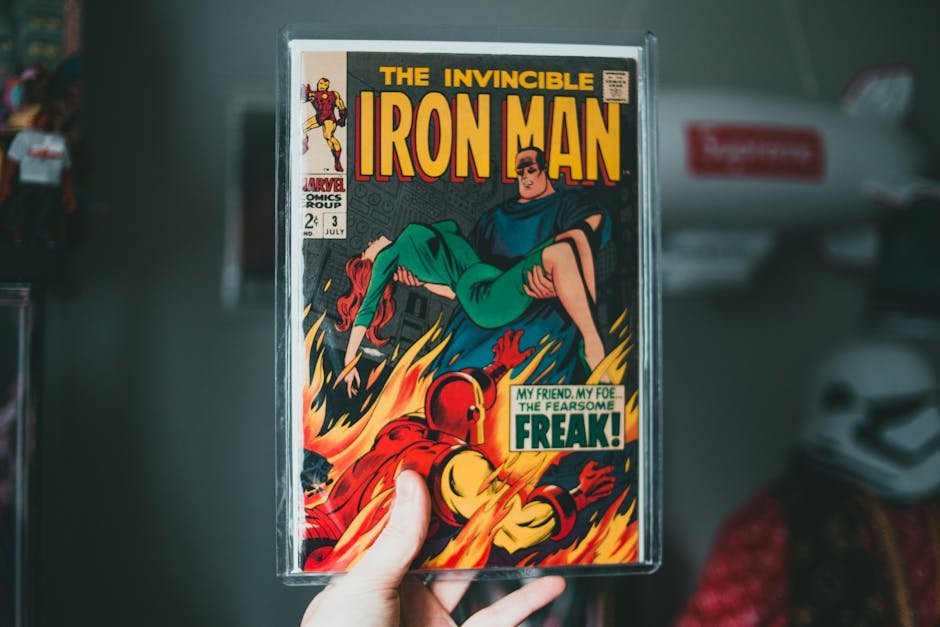
Across 2025, the CGC-graded market saw at least 165,694 slabs trade hands for more than $57.6 million in recorded sales. That’s a massive volume of transactions, and even a small percentage of those involving misrepresented restoration creates a meaningful problem at scale.
In 2025, ComicConnect sold an Action Comics #1 CGC 8.5 Restored for $554,428. Disclosed restoration at that level still commands serious money. The issue isn’t restored books that are labeled correctly. It’s restored books that are not. The pricing gap between the two categories is enormous, which is why misrepresentation is so consequential.
Detective Comics #27 CGC 8.5 Restored from the True North Collection set a new restored sales record when it realized $520,950 at ComicConnect in 2025. These figures confirm that even properly labeled restored books can still reach staggering prices, which makes honest disclosure the financially rational choice for sellers.
The Bear Market Context That Makes This Worse

As of early 2025, the comic market was still in a bear market. The question of whether the bottom had been reached in 2024 was clearly answered in the negative. The broader market had not recovered. That prolonged softness makes buyers more cautious and more likely to walk away from a book the moment any doubt about restoration arises.
Restoration is controversial in the world of comic book collectors and investors, with some arguing that it preserves important cultural artifacts, while others deem it unethical to tamper with a book’s true condition. In a bull market, buyers may be more willing to accept ambiguity. In a flat or declining market, that same ambiguity kills sales.
The Grading Industry’s Own Challenges
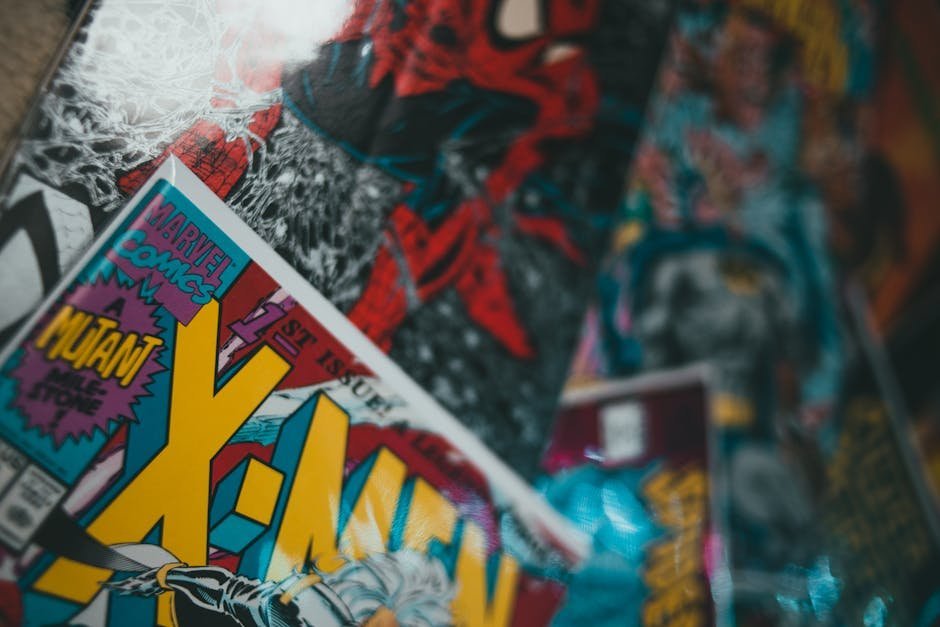
The comic book grading and slabbing service CBCS was shut down by its new owners in favor of PSA. In July 2024, Bleeding Cool reported that PSA would be starting its own comic book grading service. With PSA ubiquitous in sports card grading and expanding into comics, maintaining a separate brand like CBCS was deemed too costly.
CGC remains the dominant player in comics slabbing and grading, while PSA has been expanding quickly. Consolidation at the grading level means fewer checks and less competitive pressure to improve restoration detection processes. That’s a concern worth noting in any honest assessment of the market’s structural health.
There are serious questions about whether a genuinely expert, accredited, trustworthy grading service has ever existed. Many observers have noted uncertainty about whether grading staff hold degrees in paper restoration, real museum experience, or training in the appraisal of art objects from accredited institutions, and whether the turnaround speed allows for identical and exacting review standards.
CGC’s Own Restoration Screening Process
CGC offers a Screening service before grading to determine the authenticity and completeness of a raw book, a restoration check, and whether it is a suitable candidate for pressing. If restoration is detected, the book will be assessed for the Restoration Removal service. This is the official line, and it’s a genuine service. The question is how reliably it catches subtler work.
CGC describes itself as the world’s leading comic book pressing, restoration, and restoration removal company. Through its proven processes, CGC has enhanced the appearance and desirability of comic books for countless collectors and dealers. Pressing is offered in conjunction with grading services, creating a streamlined process.
There’s a curious tension embedded in that setup. The same company that performs restoration also grades and certifies books for restoration. That dual role doesn’t disqualify CGC from the work, but it does mean the system depends heavily on internal consistency and rigorous separation of services, which is something the market watches closely.
What Collectors and Investors Should Do Now
The last thing a buyer wants is to pay top dollar for a comic book only to find out later it is actually worth far less, because the comic is not original. That straightforward concern now drives purchasing behavior at every level of the market, from casual collectors to institutional investors.
Hedge funds, family offices, and institutional investors now allocate portions of portfolios to graded comics, particularly Golden Age and Silver Age keys. Those buyers are not willing to absorb restoration risk quietly. When they discover a problem, the legal and reputational consequences move through the market fast.
Smart buyers now examine label details carefully, verifying witnessed signatures, stabilization notes, and restoration flags. A high-grade slab with restoration or notes will trade below a clean unrestored slab regardless of the grader. The informed buyer’s toolkit today includes census verification, GPA sales history cross-referencing, and, where possible, independent restoration screening before any major purchase.
Conclusion: Trust Is the Real Asset Being Traded
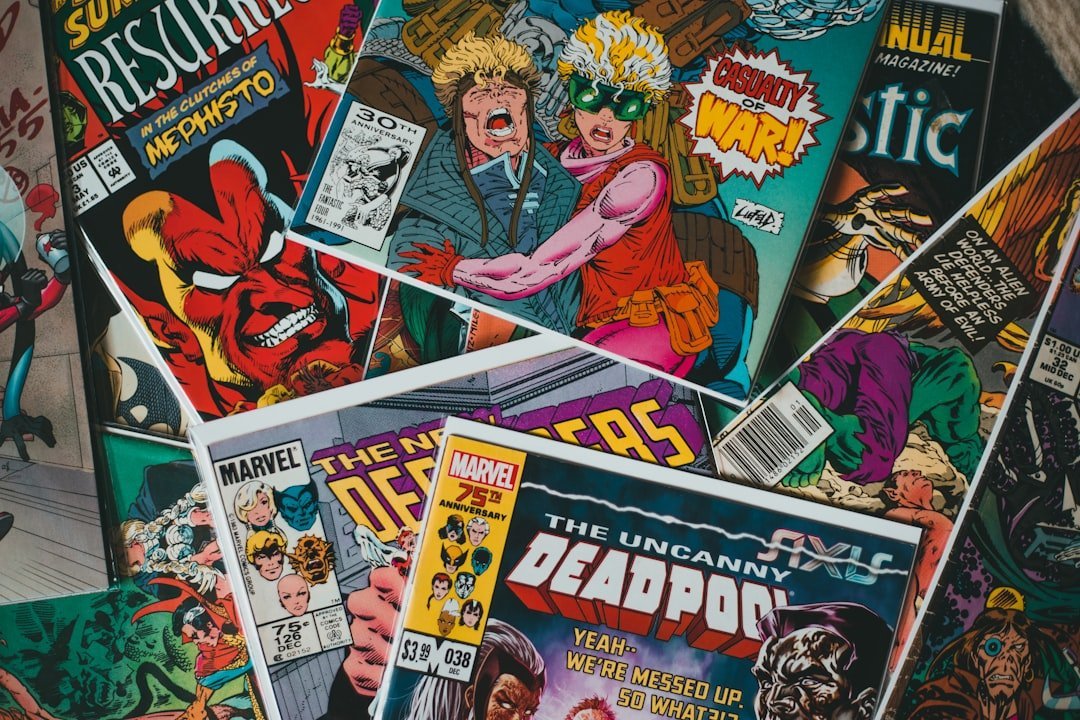
The comic market’s current distress around hidden restoration isn’t just a fraud story. It’s a story about what happens when the credibility of a third-party verification system comes under sustained question. Comic collectors recognize a restored comic book as one that has been enhanced by processes and added materials to return its appearance to an original state. Restoration is controversial, with some arguing it preserves important cultural artifacts, while others deem it unethical to tamper with a book’s true condition.
The gap between a restored and an unrestored copy of the same book can be dramatic. In one documented comparison, the same title in a restored copy sold for significantly less than an unrestored one in the same grade range, with unrestored copies considered much more desirable. When that gap is hidden from buyers, it doesn’t just hurt an individual transaction. It erodes the market-wide confidence that makes six and seven-figure bids possible in the first place.
The census number on the label is only as trustworthy as the examination behind it. Right now, the market is being reminded of that truth in some very expensive ways.