

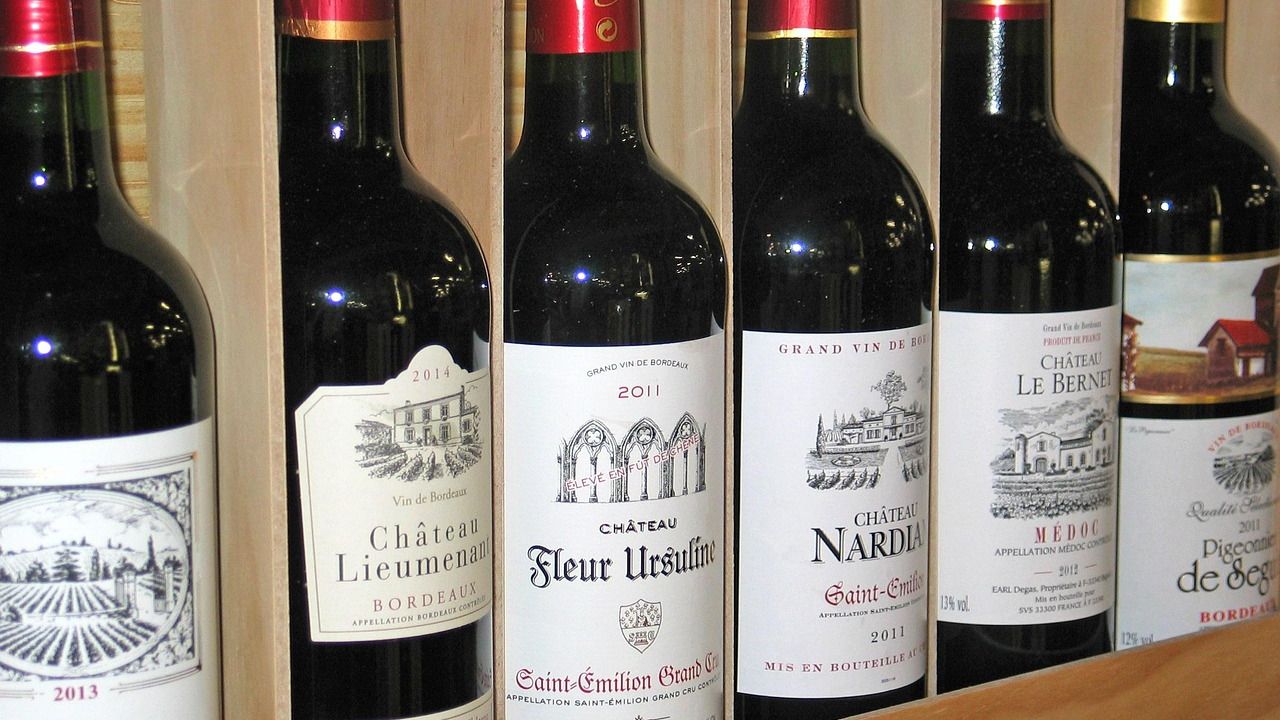
Why Glass Retains Its Crown (Image Credits: Pixabay)
Fayetteville, Ark. – Glass bottles have served as the gold standard for wine packaging for nearly 400 years, and recent research underscores their continued dominance among American consumers.[1][2] A study by University of Arkansas researchers surveyed 2,000 U.S. wine drinkers and revealed strong attachment to glass, even as sustainability pressures mount. Aluminum emerged as the leading alternative, hinting at potential shifts driven by environmental awareness.
Why Glass Retains Its Crown
Consumers associate glass with superior wine quality, a view rooted in centuries of tradition. From ancient pottery and wooden casks to modern bottles, glass excels at protecting wine from light, heat, oxidation, and microbes. Today, options like paper cartons, PET plastic bottles, flexible pouches, and aluminum compete, yet glass prevails.
“In general, the perception is quality wine is in glass,” said Renee Threlfall, an associate professor of food science and study co-author.[1] This sentiment persists despite the U.S. wine industry’s scale as the world’s fourth-largest producer, generating 623 million gallons annually with a $323 billion economic footprint.[1]
Unpacking the Research Design
The team employed a discrete choice experiment via an online survey of 2,000 U.S. wine consumers. Participants revealed their drinking habits before evaluating willingness to pay for 750-milliliter bottles across packaging types. Respondents were divided into four groups: one informed solely about carbon footprints, another about recyclability, a third receiving both, and a control group with no details.[2][1]
Lead author Walker Bartz, then a food science graduate student, noted surprises in the data. “I was really expecting the flexible treatment to perform better,” he said. The approach allowed researchers to gauge baseline views and the impact of sustainability education.[1]
Clear Hierarchy in Packaging Choices
Glass topped preferences across all groups, followed by aluminum, PET plastic, and flexible bags. Consumers expressed willingness to pay premiums for glass, with relative discounts for alternatives ranging widely: 19.30% to 26.16% for aluminum, 31.09% to 36.92% for PET, and 38.13% to 54.29% for flexible bags.[2]
| Packaging Type | Relative Discount to Glass |
|---|---|
| Aluminum | 19.30%–26.16% |
| PET Plastic | 31.09%–36.92% |
| Flexible Bags | 38.13%–54.29% |
Aluminum consistently outperformed other non-glass options, echoing its success in beer packaging. Flexible pouches ranked last, with Millennials offering just $17.12 on average.[1]
Sustainability Education Alters Views
Providing information influenced choices. Alternative packaging captured 27.22% market share without details but rose to 34.40% with carbon footprint facts. Glass’s average willingness to pay reached $25.37 among the carbon-informed group, compared to $22.36 for the control.[2]
Views on glass sustainability split sharply: 45% deemed it most eco-friendly, while 39% saw it as least. “The way this type of information is communicated… is crucial,” the authors concluded. Carbon labeling could market alternatives effectively, especially for wines consumed soon after production.[1]
Generations Reveal Subtle Divides
Willingness to pay for glass varied by cohort. Gen Z averaged $35.38 for a 750-milliliter bottle, outpacing Baby Boomers at $29.77. Younger groups showed slightly smaller discounts for alternatives, signaling openness.[1]
Lanier Nalley, department head and co-author, observed a niche among those over 21 for non-glass options. “Glass packaging will always be seen as ‘premium,'” he said, but education might expand alternatives’ role.[1]
The study, published in Cleaner and Responsible Consumption, highlights glass’s resilience amid a sector where packaging drives up to one-third of carbon emissions.[2] As sustainability messaging evolves, aluminum and others may close the gap, fostering greener practices without fully upending tradition.