

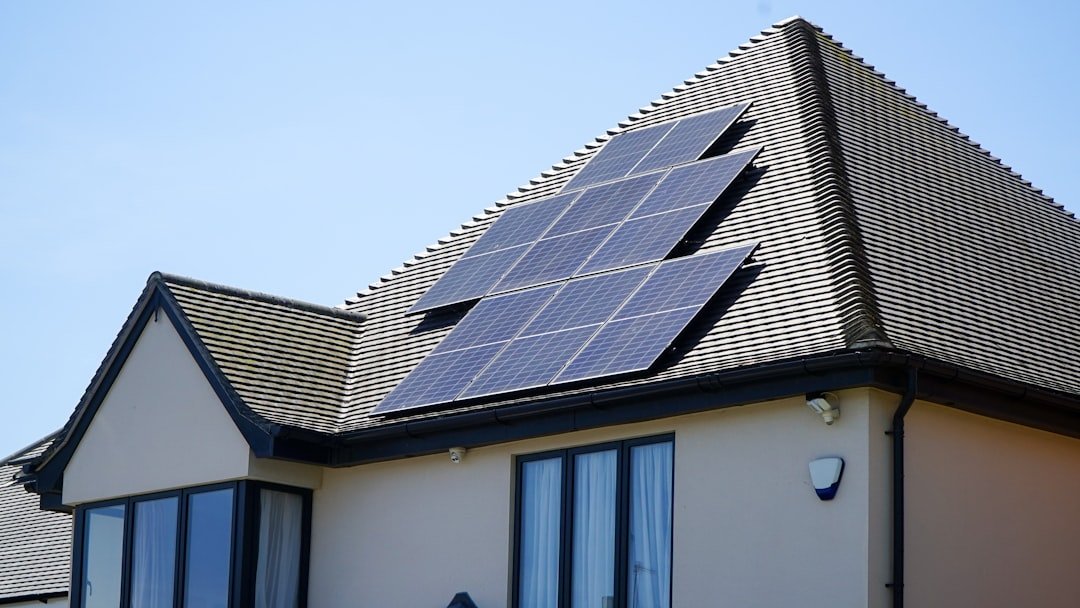
A Record-Breaking Month for Solar Savings (Image Credits: Unsplash)
Sambalpur, Odisha – Nearly 11,000 households in western Odisha received zero electricity bills in March 2026, marking a significant milestone in the region’s shift toward renewable energy.[1][2] This surge stemmed from widespread adoption of rooftop solar systems under the government’s PM Surya Ghar Muft Bijli Yojana. Local distribution company TP Western Odisha Distribution Ltd played a pivotal role through its innovative installation model, enabling consumers to generate their own power and eliminate monthly charges.
A Record-Breaking Month for Solar Savings
Exactly 10,885 households reported no electricity dues for March, representing about 60 percent of the 18,830 consumers who had installed rooftop solar systems in the region by that time.[1][2] Another 40 percent saw their bills drop by more than 80 percent. Among these, 1,428 households achieved zero bills for the first time that month alone.[3]
The momentum built steadily. Just two months earlier, in February 2026, over 7,000 consumers had recorded similar savings. This rapid growth highlighted the appeal of self-generated solar power amid rising energy demands in rural and urban areas alike.
TPWODL’s ULA Model Fuels the Adoption
TP Western Odisha Distribution Ltd accelerated the trend with its 1-kW Utility Led Aggregation (ULA) model. Under this approach, eligible consumers paid just ₹1,875 for installation, while TPWODL managed the entire process from procurement to setup.[1] Systems came equipped with smart meters to track generation and consumption precisely, ensuring seamless net metering.
Warranties added confidence: five years on equipment and 25 years on solar panels’ performance. This low-barrier entry point made solar accessible to middle- and low-income families, transforming rooftops into personal power plants. The model integrated directly with the national scheme, amplifying its reach across districts like Sambalpur and surrounding areas.
Subsidies Power the PM Surya Ghar Initiative
The PM Surya Ghar Muft Bijli Yojana provided crucial financial support to make installations viable. Households opting for larger systems benefited substantially from central subsidies.
| System Capacity | Approximate Cost | Maximum Subsidy |
|---|---|---|
| 2 kW | ₹1.40 lakh | ₹1.10 lakh |
| 3 kW | ₹2 lakh | ₹1.38 lakh |
These incentives covered most upfront costs, leaving households with minimal out-of-pocket expenses. The scheme aimed to install solar on one crore rooftops nationwide by 2027, promoting energy independence and reducing grid strain. In western Odisha, it aligned perfectly with local efforts to cut fossil fuel reliance.
Environmental and Economic Ripple Effects
Beyond individual savings, the initiative promised broader gains. Each 1-kW system offset hundreds of kilowatt-hours annually, curbing carbon emissions and easing pressure on coal-dependent power plants. Consumers not only eliminated bills but also earned credits for excess generation fed back to the grid.
TPWODL reported sustained interest, with installations continuing apace. Neighboring southern Odisha saw smaller but growing numbers, including 126 zero-bill cases. This regional momentum underscored solar’s potential to reshape energy access in a state rich in sunlight but challenged by distribution losses.
As western Odisha’s households bask in bill-free power, the model offers a blueprint for nationwide replication. With subsidies flowing and utilities leading the charge, more families stand to harness the sun’s endless supply – potentially redefining energy costs for generations.