

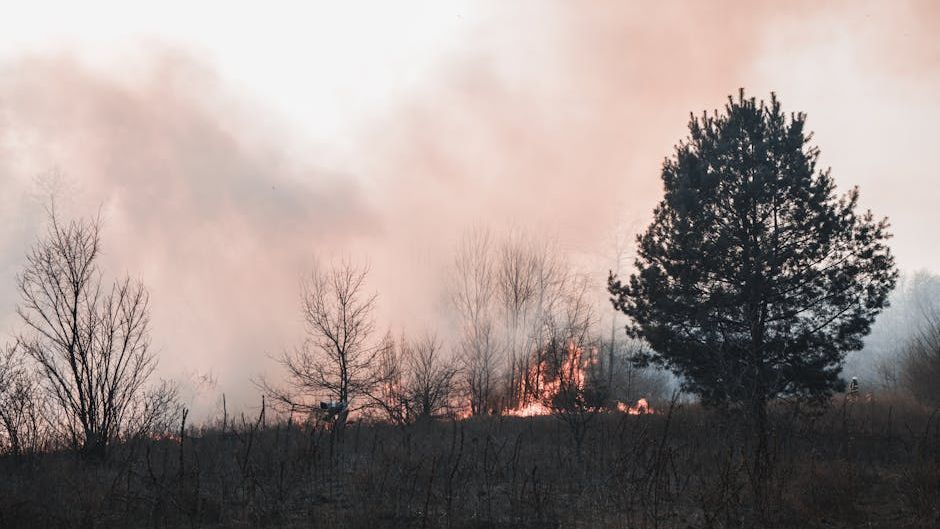
The Scale of the 2025 Wildfire Disaster (Image Credits: Pexels)
Los Angeles – The scars from the 2025 Palisades and Eaton fires still lingered across Southern California neighborhoods when President Donald Trump announced a federal review of banks’ handling of debt and payments for affected residents. These blazes claimed 22 lives, razed around 12,000 homes, and inflicted more than $50 billion in property damage. Trump’s directive, which highlighted Wells Fargo among others, underscored growing tensions between his administration and the financial sector.
The Scale of the 2025 Wildfire Disaster
The Palisades Fire tore through Los Angeles, while the Eaton Fire ravaged Altadena, creating a dual catastrophe that overwhelmed local resources. Firefighters battled flames for weeks amid dry conditions and high winds, but the destruction proved immense. Homes reduced to foundations dotted once-thriving communities, leaving families displaced and economies strained.
Property losses alone topped $50 billion, a figure that captured national attention and prompted emergency declarations. Rebuilding efforts faced immediate hurdles, including insurance disputes and mounting personal debts. Residents grappled not just with loss, but with the financial aftermath that threatened long-term recovery.
Trump’s Call for Banking Scrutiny
President Trump stated that his administration would examine how banks managed payments and debt relief for wildfire victims. He specifically called out Wells Fargo, suggesting their practices warranted closer inspection. This move came during a period of heightened focus on disaster recovery support.
The announcement reflected concerns over whether financial institutions provided adequate relief amid the crisis. Officials aimed to ensure that survivors received fair treatment on mortgages, loans, and related obligations. Such reviews promised to address potential gaps in assistance programs.
Wells Fargo in the Spotlight
Wells Fargo emerged as a primary target in Trump’s remarks, drawing from reports of customer complaints following the fires. The bank faced questions about its policies on foreclosures, payment deferrals, and interest accruals for those hit hardest. Past interactions between the administration and the lender added context to the friction.
This was not the first clash. The banking industry had navigated prior regulatory pressures under Trump, including oversight on lending practices and consumer protections. Critics argued that disaster scenarios exposed vulnerabilities in standard procedures, prompting calls for reform. The president’s intervention signaled a willingness to intervene directly.
Broader implications extended to other major banks operating in California. Analysts noted that similar issues could surface across the sector, affecting millions in high-risk areas. Federal involvement might lead to standardized guidelines for future calamities, reshaping how lenders respond to widespread destruction.
Wider Tensions with the Banking Sector
The probe marked the latest point of contention between Trump’s administration and banks. Previous disputes involved everything from trade policies to regulatory rollbacks, creating a backdrop of unease. Financial leaders had lobbied for lighter oversight, while the White House pushed for accountability in key areas.
What This Means for Fire Victims and Beyond
For the thousands displaced by the fires, the review offered potential relief from crushing debts. Many homeowners carried mortgages through institutions like Wells Fargo, where paused payments could still accrue penalties. A thorough investigation might unlock moratoriums or forgiveness options, easing the path to stability.
The business community watched closely, as outcomes could influence lending standards nationwide. In wildfire-prone states, proactive measures might become the norm. Trump’s action highlighted the intersection of disaster response and economic policy, reminding stakeholders of the human stakes involved.