


A Nation Under Financial Siege: The World That Made the Plot Possible
The year 1933 was one of the most consequential in modern world history. Adolf Hitler was appointed chancellor of Germany, and Engelbert Dollfuss dissolved the Austrian parliament to assume dictatorial powers. Democracies across the globe were bending under enormous economic pressure, and the United States was no exception.
Roosevelt’s campaign had promised to re-evaluate America’s commitment to the gold standard, and through a series of actions from March 6 to April 18, 1933, he abandoned it. Conservative businessmen and supporters of the gold standard were dismayed.
Many bankers were fearful that their gold-backed loans would not be paid back in full under the new policies. The departure from the gold standard added to broader concerns about FDR’s agenda, particularly his plans to provide subsidies and jobs for the poor, which businessmen and conservative politicians alike interpreted as evidence of socialist or even communist leanings.
The Man They Chose: Who Was Smedley Butler?

Smedley Darlington Butler was an American major general in the United States Marine Corps. During his 34-year military career, he fought in the Philippine-American War, the Boxer Rebellion, the Mexican Revolution, World War I, and the Banana Wars. At the time of his death, Butler was the most decorated Marine in U.S. military history.
By the end of his career, Butler had received sixteen medals, including five for heroism. He was awarded the Marine Corps Brevet Medal as well as two Medals of Honor, all for separate actions.
The Business Plotters felt that Butler’s patriotism along with his popularity among veterans would make him an ideal leader for their putsch. What they apparently failed to realize was that Butler had long since become a deep critic of corporate greed, seeing it as an engine that drove many of America’s foreign wars.
The First Knock at the Door: How the Approach Began
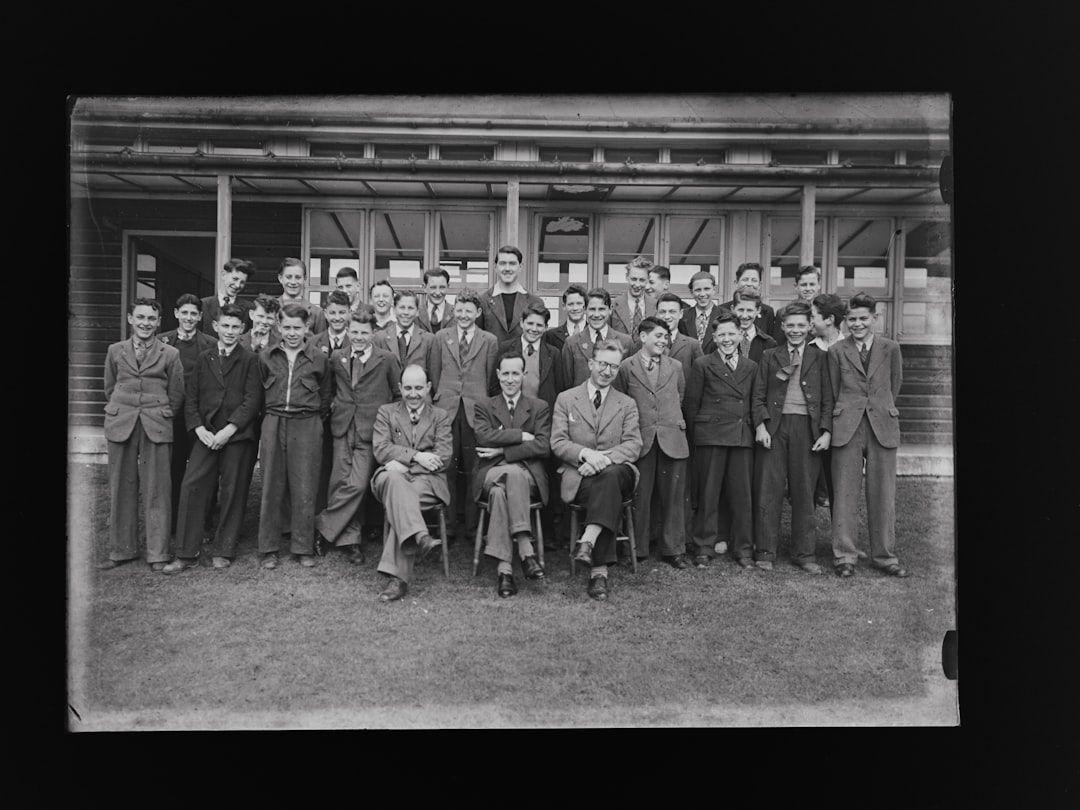
On July 1, 1933, Smedley Butler was at his home in Newtown Square, Pennsylvania, when he received a phone call from a man who said his name was Jack. Jack asked him to meet with two veterans: William Doyle, head of the Massachusetts American Legion chapter, and Gerald MacGuire, former head of the Connecticut chapter. Butler agreed, and the two men shortly arrived in a chauffeur-driven limousine.
MacGuire was a $100-a-week bond salesman for Wall Street banking firm Grayson Murphy & Company and a member of the Connecticut American Legion. His initial request seemed routine enough, asking Butler to speak at a Legion convention in Chicago.
During their second meeting, MacGuire showed Butler bank statements amounting to over $100,000, which he hoped Butler would use to bring veteran supporters to the convention. The Major General was stunned, as there was very little chance that a group of veterans had been able to gather such a vast amount of funds.
The Plot Deepens: Europe, Fascism, and a $50 Million Promise
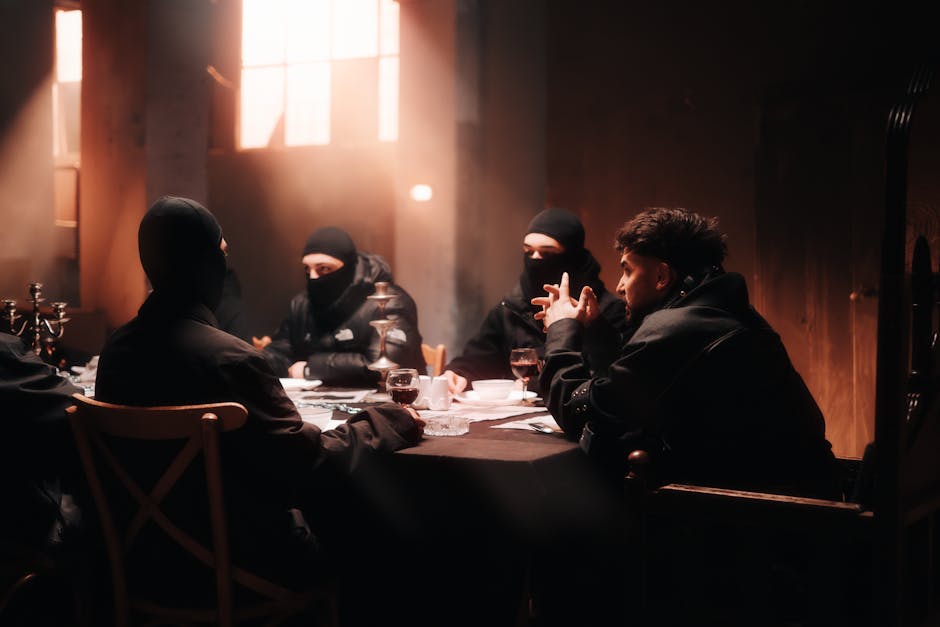
MacGuire traveled to Italy and Germany to study how veterans’ groups helped the fascists come to power there. When he returned, he met with Butler several more times and, according to Butler, stated that very wealthy and powerful men had $50 million available to spend on a coup against Roosevelt. The American Legion would be the 500,000-strong vehicle to bring it about, and they wanted Butler to lead it.
The conspirators planned to recruit half a million military veterans from the First World War through various American Legion branches. They even pledged $3 million to buy weapons for their army so the troops could capture and hold the American capital. Once in power, the plotters would install an ultra-nationalist, business-friendly regime modeled after Mussolini’s Italy.
Given a successful coup, the plan was for Butler to hold near-absolute power in the newly created position of “Secretary of General Affairs,” while Roosevelt would have assumed a figurehead role. The plotters were counting on public trust in Butler’s name to lend the whole enterprise a veneer of legitimacy.
Prominent Names in the Shadows: Who Was Allegedly Behind It?
Besides MacGuire, Butler stated that he met with Robert Clark, an heir to the Singer Sewing Machine Company. According to Butler, Clark confirmed everything MacGuire had said and named other plotters, some of whom were among the most prominent and best-known industrialists, politicians, and military figures in the country.
Several of those alleged to be connected with the plot were avid admirers of European fascism. One prominent figure described himself as “something like a missionary” for Mussolini, as he made J.P. Morgan one of fascist Italy’s main overseas banking partners. The American Legion itself featured yearly convention greetings from Mussolini, and the Italian dictator was even invited to speak at the 1930 convention, until the invitation was rescinded amid protests from organized labor.
In July 2007, a BBC investigation reported that Prescott Bush, father of President George H.W. Bush and grandfather of then-president George W. Bush, was to have been a “key liaison” between the Business Plotters and the newly emerged Nazi regime in Germany. This claim has since been disputed by researcher Jonathan Katz, who argued it resulted from a clerical research error.
Butler Refuses and Sounds the Alarm

Alarmed by what he had heard, Butler first went to the press. He contacted reporter Paul French of the Philadelphia Record, who investigated the story. Butler introduced him to MacGuire as someone sympathetic to MacGuire’s cause, allowing MacGuire to reveal to French all the details of the plot.
Butler himself also went to J. Edgar Hoover, director of the federal Division of Intelligence. Hoover said there was no federal crime yet for him to investigate, though in reality he was already monitoring American fascist groups and may have been aware of MacGuire’s activities.
Reporter French wrote an exposé that appeared in both the Philadelphia Record and the New York Post. Butler, meanwhile, finally told MacGuire his true feelings about the plan, warning him that if half a million soldiers marching with fascist intentions appeared, he would gather another half million to oppose them.
The Congressional Testimony: November 1934
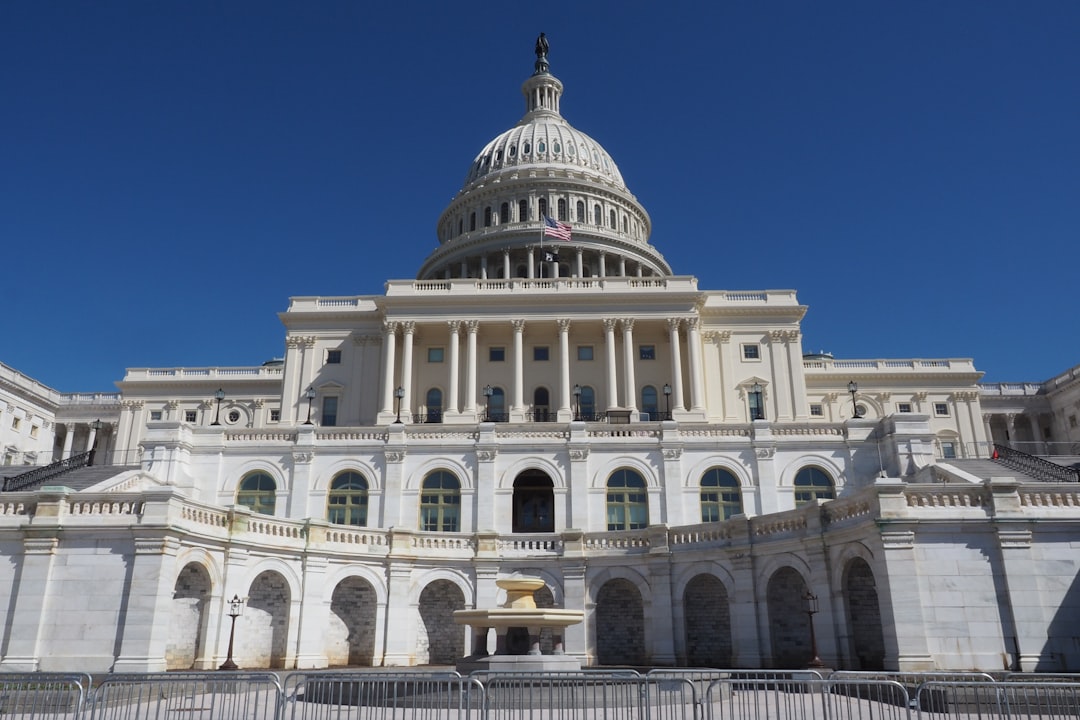
Butler revealed the Business Plot before a two-man panel of the Special House Committee on Un-American Activities. The executive session was held in the supper room of the New York City Bar Association on West 44th Street. Present were the committee chairman, John W. McCormack of Massachusetts, and vice chairman, Samuel Dickstein of New York. For 30 minutes, Butler told the story, starting with the first visit of MacGuire to his house in Newtown Square in 1933.
During his own separate meeting with MacGuire, journalist French heard MacGuire say that he believed a fascist state was the only answer for America, and that Smedley was the “ideal leader” because he “could organize one million men overnight.”
The committee initially discounted a large part of Butler’s testimony, writing in its preliminary report that it saw no reason to subpoena men like John W. Davis, a former presidential hopeful, or Thomas W. Lamont, a partner with J.P. Morgan and Company. However, with French’s supporting testimony and the erratic testimony of MacGuire, the committee began to investigate more seriously.
The Final Committee Report: Confirmed But Left Unpunished
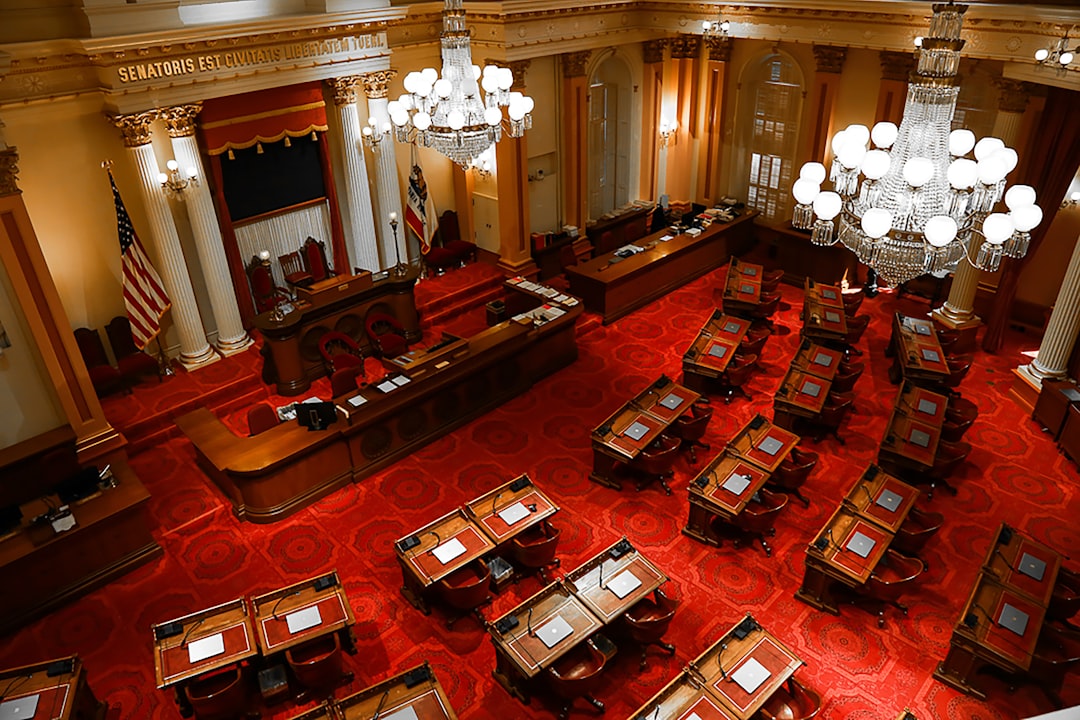
The congressional committee’s final report, released on February 15, 1935, stated that the committee had received evidence showing that certain persons had made an attempt to establish a fascist organization in the country. No evidence was presented showing a connection between this effort and any fascist activity in any European country. The report stated plainly: “There is no question that these attempts were discussed, were planned, and might have been placed in execution when and if the financial backers deemed it expedient.”
Among the committee’s findings, it noted that MacGuire denied the allegations under oath, but the committee was able to verify all the pertinent statements made by Butler. The denial was specifically contradicted by MacGuire’s own correspondence with his principal, Robert Sterling Clark, written while MacGuire was abroad studying fascist veterans’ organizations in Europe.
In part because of a lack of concrete physical evidence, no charges were ever brought against any of the accused. Roosevelt had some of the testimony redacted, perhaps because he did not want to stoke public outrage.
The Media Dismissal and the Suppressed Record

On November 22, The New York Times wrote its first article on the story and described it as a “gigantic hoax.” It was a characterization that would stick in the public imagination for years, even as the congressional record told a more complicated story.
On the final day of the committee, January 29, 1935, journalist John L. Spivak published the first of two articles in the magazine New Masses, revealing portions of the congressional committee testimony that had been redacted as hearsay. Those redactions had obscured the full picture of what the committee had actually heard.
The documents were sealed until only recently, with some sections deleted but inadvertently exposed and later published. Today, most historians agree that the Business Plot was real. The only remaining question is whether it was ever as close to execution as Butler claimed, or if it was a scheme that never truly gained operational momentum.
Legacy, Reassessment, and Why It Still Matters

At the time of his death, Butler was the most decorated Marine in U.S. history, having commanded the 13th Regiment in World War I as well as serving in countless other military actions. By the 1930s, however, he had become deeply disillusioned with both war and the U.S. government, delivering a series of impassioned speeches to veterans’ groups that became the basis for his book War Is a Racket, published in 1935.
Eight decades after he publicly revealed his conversations about what became known as the Business Plot, Smedley Butler is no longer a household name. A few history buffs and a not-inconsiderable number of conspiracy-theory enthusiasts remember him for his whistleblowing of the alleged fascist coup.
Given the entirely justified recent attention to the history of American coups, past and present, it’s quite striking that the 1933 Business Plot isn’t yet better known. Jonathan Katz’s 2022 book Gangsters of Capitalism, along with his Rolling Stone article “The Plot Against American Democracy That Isn’t Taught in Schools,” represents one of the more thorough recent efforts to bring this history into wider view.
Conclusion: What a Forgotten Coup Attempt Tells Us About Power

The Business Plot did not succeed. There was no march on Washington, no fascist government installed in the White House, no “Secretary of General Affairs” wielding dictatorial power while a weakened president sat for photographs. What there was, according to a congressional committee’s own official findings, was a serious discussion among serious people with serious money about ending American democracy as it existed.
Historians remain divided about the Business Plot, with some like Jules Archer in his 1973 book The Plot to Seize the White House arguing that a genuine conspiracy existed and that Butler prevented what could have been a genuine threat to the republic. Others are more cautious, pointing to the limited paper trail and the absence of prosecutions.
What the episode leaves behind, more than anything, is a question that has no clean answer: if Butler had been someone else, someone more willing, what would the summer of 1934 have looked like? History is shaped as much by the choices people don’t make as the ones they do. Butler made his choice. The conspirators, whoever they truly were, never had to make theirs.