

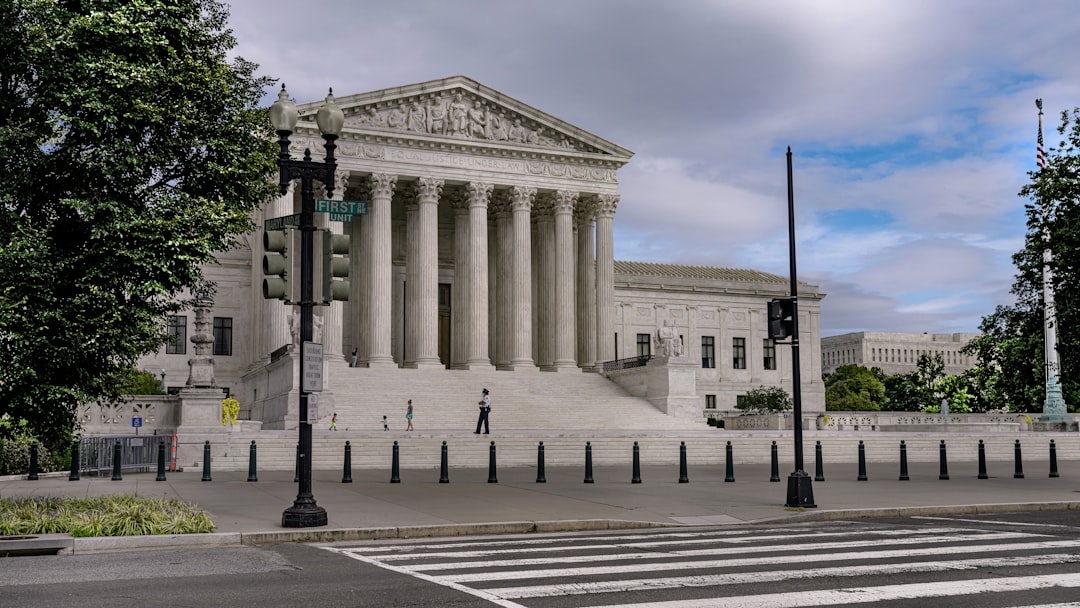
Tracing Suspects Through Location Data (Image Credits: Unsplash)
Washington — Law enforcement issued more than 11,500 geofence warrants to Google in 2020 alone, a figure that underscores the tool’s rapid rise in investigations. The Supreme Court took up the issue this week in a case that could redefine the boundaries of digital privacy under the Fourth Amendment. At stake is whether virtual perimeters drawn around crime scenes, scouring location data from millions of devices, amount to unconstitutional overreach.
Tracing Suspects Through Location Data
Geofence warrants allow police to request tech companies’ records of users’ whereabouts during a specific time and place. Authorities draw an electronic boundary near a crime scene, then compel firms like Google to reveal devices present there. This method pinpointed suspects in high-profile cases, including arrests after the January 6 Capitol riot.
Critics highlight the dragnet effect. Such warrants often capture data from bystanders far removed from any wrongdoing. The National Association of Criminal Defense Lawyers described them as “general warrants — which are prohibited by the Fourth Amendment — because they are devoid of probable cause and particularity.” This echoes historical abuses the amendment sought to prevent.
The Chatrie Robbery and a Landmark Challenge
Okello Chatrie sits in prison today, serving 12 years for robbing a credit union outside Richmond, Virginia. Investigators used a geofence warrant on Google’s location history to link him to the scene. His attorneys challenged the tactic as an invalid search, arguing it swept too broadly.
A federal district court in the Fourth Circuit rejected that claim, upholding the conviction. Prosecutors maintained that users who enable location tracking forfeit strong privacy claims. Yet the case exposed deepening divides in how courts view this technology.
Circuit Courts Clash, Prompting Supreme Court Review
Just as the Fourth Circuit ruled, the Fifth Circuit struck down a similar geofence warrant in another Google-related matter. That panel found individuals hold a reasonable expectation of privacy in their location histories, rendering the warrants presumptively unlawful. The split ensured the Supreme Court would settle the dispute.
Justices now confront whether these warrants trigger Fourth Amendment protections at all. The government contends no search occurs without individualized suspicion, given users’ opt-in choices. Chatrie’s defenders counter that the scale — probing countless innocents — demands stricter limits, even with probable cause.
Tech Shifts and Lingering Concerns
Google responded to the backlash last year by moving location history from central servers to users’ devices. This change hampers companies’ ability to comply with broad geofence requests. Other providers have not matched this step, leaving the practice viable elsewhere.
Several states have curbed geofencing, especially near clinics amid abortion probes. Privacy groups rallied behind Chatrie, warning of mass surveillance risks. Supporters note its value in cracking tough cases, but transparency lags: recent warrant volumes remain undisclosed.
- Key uses: January 6 riot probes and routine crimes like robberies.
- Tech response: On-device storage limits future compliance.
- State actions: Bans or restrictions in select areas.
- Broader tools: Potential impact on keyword searches and AI data grabs.
Potential Ripple Effects Beyond Geofences
A ruling expected this summer could reshape investigative practices nationwide. Experts anticipate it might govern reverse-keyword warrants, where police scan app queries for crime-related terms. Chatbot records could fall under similar scrutiny.
The decision arrives amid evolving norms for digital evidence. Courts have wrestled with location data before, but geofences test the limits of scale and specificity. Whatever the outcome, it promises to clarify where privacy ends and public safety begins in an always-tracked world.