

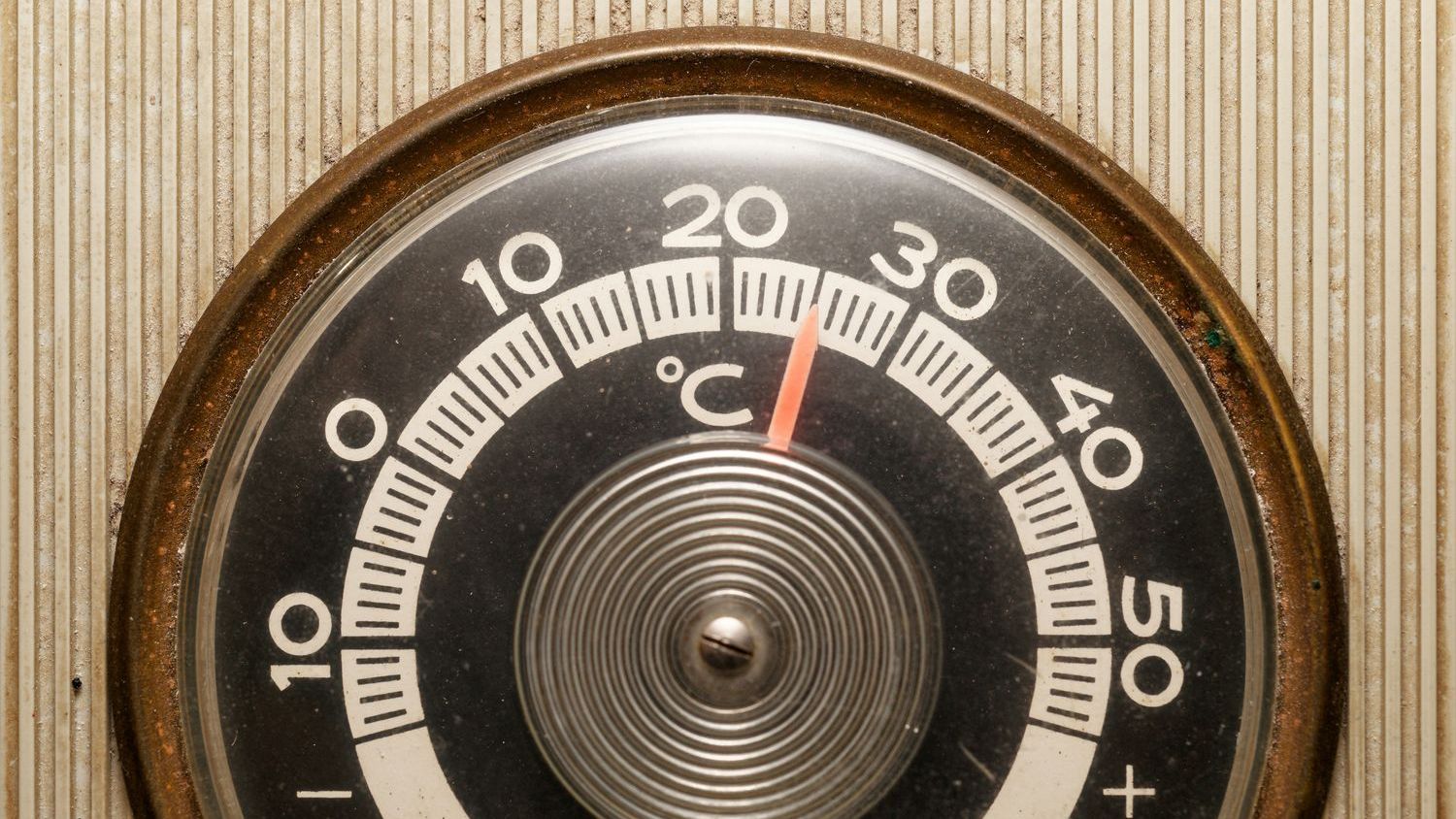
The Thermostat’s Hidden Emotional History (Image Credits: Unsplash)
During the 1973 OPEC oil embargo, thermostats became flashpoints in American homes as families grappled with soaring energy costs. Children observed their parents’ subtle reactions to monthly heating bills – pauses, grimaces, silences that spoke volumes. Decades later, those same individuals, now adults in their fifties and sixties, often maintain home temperatures around 64 degrees Fahrenheit, even as partners bundle up against the chill. This pattern reveals more about ingrained emotional responses than current bank balances.
The Thermostat’s Hidden Emotional History
Household debates over temperature rarely center on finances alone. Spouses might interpret a partner’s insistence on cooler air as stinginess or inflexibility. In truth, the preference traces back further, embedded in experiences from early life.
Young observers absorbed unspoken lessons from a parent’s involuntary flinch upon receiving the heating bill. No lecture was needed; the child’s body registered the tension linking warmth to peril. This imprint persists, influencing decisions long after the original context fades. Research underscores that such behaviors stem from somatic memory rather than deliberate choice.
Childhood Stress and Adult Risk Patterns
A 2025 study from the Leeds School of Business revisited earlier claims about poverty’s long-term effects. It determined that childhood financial hardship accounted for less than 1 percent of differences in adult financial risk-taking – far below prior estimates. This result challenges notions of rigid determinism shaped by early deprivation.
Yet the research highlighted a nuance: individuals from lower-income backgrounds exhibited heightened risk-taking under perceived threats. The trigger lies not in scarcity itself but in the vigilance it instilled. Applied to daily life, a thermostat adjustment evokes that dormant alert, even absent real danger. The body responds to echoes, not equations.
Parental Stress Ripples into Family Dynamics
Work by Yale psychologist Rajita Sinha, published in Pediatrics, demonstrated how unregulated parental stress alters children’s health trajectories. Offspring of stressed parents faced six times the risk of entering overweight or obesity categories during monitoring periods. This transmission occurs silently, bypassing explicit instruction.
Studies on child behavior and parental self-regulation reveal feedback loops that embed emotional patterns. Children internalize ambient anxiety about resources, safety, or sufficiency. Nonverbal cues – a drawn breath over bills – teach more enduringly than words. Heat, as a recurring and visible expense, amplifies this lesson.
| Common Perception | Psychological Reality |
|---|---|
| Frugality or stubbornness drives low settings | Threat response from observing parental bill anxiety |
| Current finances dictate temperature choices | Somatic memory predates adult circumstances |
| Rational debate resolves conflicts | Curiosity about origins unlocks understanding |
Conflicts Arise When Partners Misread Signals
Thermostat disputes often escalate despite logical appeals. One partner presents cost breakdowns showing minimal impact from a slight increase. Agreement follows, yet the dial stays put – a standoff rooted in pre-rational feelings.
This impasse reflects negotiation with a ghost from the past, not the present spouse. The family stress model, documented in sources like a Frontiers in Psychology analysis of Asian American families amid COVID-19, maps this cascade. Economic pressures erode parental warmth, imprinting children with scarcity’s shadow. Middle-class upbringings offered no immunity if fear lingered intergenerationally.
Paths to Rewiring Deep-Seated Habits
Insight alone rarely shifts entrenched patterns. Adults versed in their history still hesitate to raise the heat, gripped by unnamed unease. The archive in the body demands more than analysis.
Effective change builds gradually. Individuals first reframe discomfort as inherited, not inherent fault. They experiment by incrementing the setting, observing the sensation without compliance. Over repeated instances, the grip loosens – patience forged through refusal.
For partners, empathy trumps argument. Gentle inquiries into family money memories invite revelation without judgment. Such dialogues, absent from prior criticisms, foster connection. Behaviors like reusing foil or dimming unused lights signal similar origins, urging compassion over correction.
Recognizing these threads frees small daily choices from old vigils. The child who stood watch has outgrown the need. Warmth now honors survival, not summons threat.