

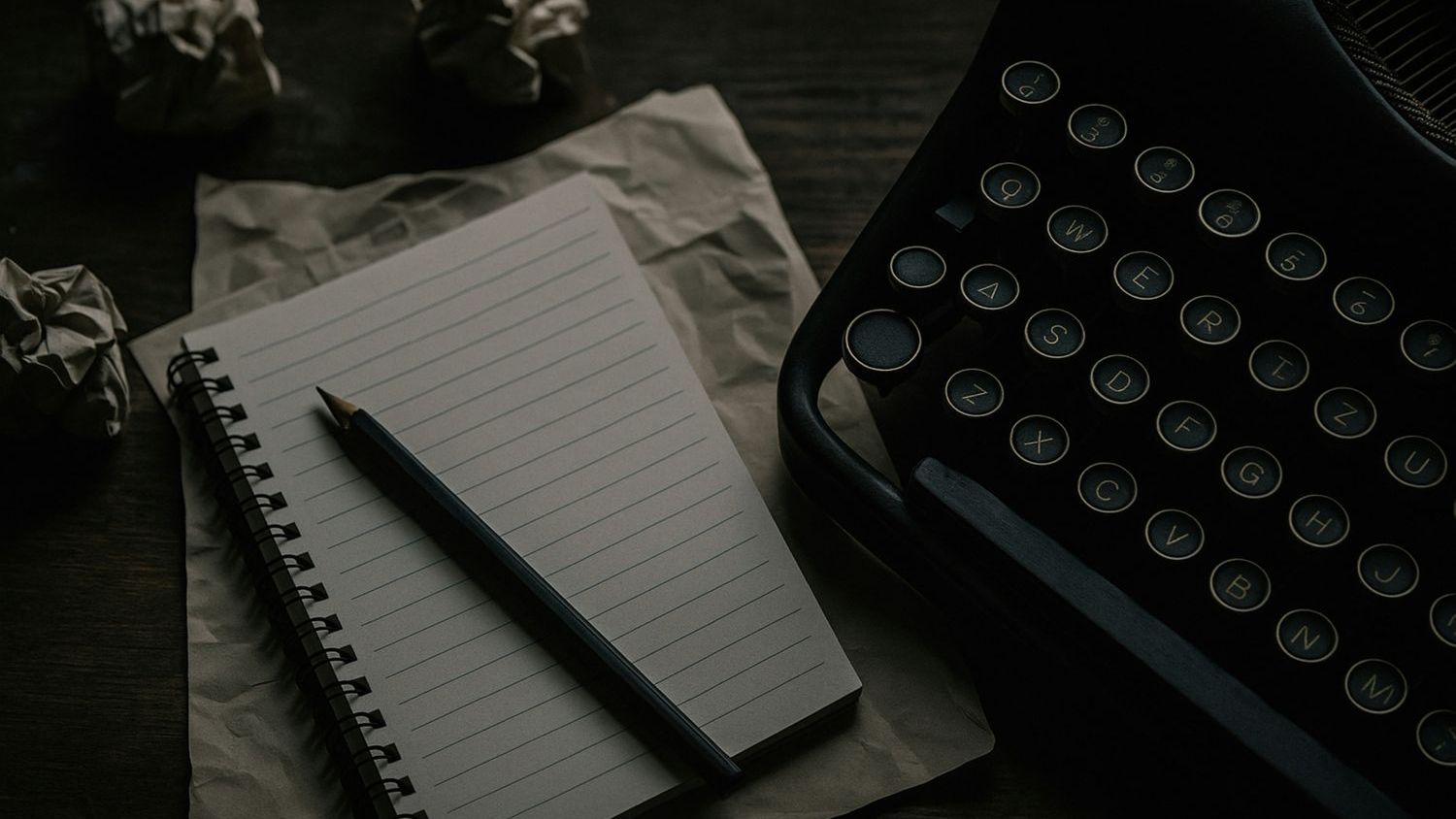
The Same-Day Surge in Well-Being (Image Credits: Unsplash)
A writer finishes a breakthrough chapter late into the night, exhilarated by the flow of words and ideas. The next morning, however, irritability creeps in alongside self-doubt, despite the evident progress. Recent psychological research reveals this pattern, termed the “creativity hangover,” where the immediate mood boost from creative work gives way to heightened negative emotions the following day, particularly among professionals.[1][2]
The Same-Day Surge in Well-Being
Engaging in creative activities consistently elevates mood and overall well-being on the day they occur. Researchers tracked 355 adults over 13 days using daily diaries, measuring creativity alongside dimensions of well-being such as positive emotions, engagement, relationships, meaning, and accomplishment.[1] Both creative practitioners – those who dedicate significant time or earn income from their work – and casual creators reported improvements across these areas after highly creative days.
This uplift held true regardless of profession or intensity. Creative practitioners even started with higher baseline levels in engagement, relationships, and meaning compared to their less-involved counterparts. The findings underscore creativity’s role as a reliable, immediate enhancer of daily flourishing.[2]
Professionals Pay an Emotional Price the Next Day
While casual creators carried these benefits forward, sustaining better mood and relationships into the following day, professionals encountered a stark reversal. After their most productive creative sessions, they experienced elevated negative emotions like melancholy, irritability, and emptiness.[1] Lead researcher Kaile Smith noted, “Creativity is usually framed as a straightforward path to feeling better. What surprised us is that for creative practitioners, there can be a next-day emotional cost – even when the same-day effects are positive.”[1]
This “creative hangover” manifested as a short-term dip, often lasting one to two days, despite professionals’ overall higher well-being. The pattern emerged across disciplines, from visual artists and writers to musicians and performers. Senior author Jennifer Drake explained, “Creative professionals are often under intense pressure – to perform, to produce, and to evaluate their own work. This study shows why blanket claims like ‘creativity is always good for you’ miss important nuance.”[1]
Roots in Earlier Psychological Insights
The 2026 study, published in The Journal of Positive Psychology, builds on prior work that first identified a similar backfire effect. A 2016 investigation followed 658 young adults over 13 days and found that individuals high in agreeableness – those who prioritize harmony and cooperation – reported increased negative affect the day after creative activities.[3][2] Researchers labeled this phenomenon a “creativity hangover,” highlighting how the effort of creative engagement could deplete emotional resources unevenly.
Possible mechanisms include self-regulation fatigue from managing the creative process, dopamine depletion after intense flow states, and heightened self-criticism once the session ends. For professionals, where creation ties to livelihood, these factors amplify. The occupational demands transform what might otherwise feel therapeutic into an obligation, decoupling mood benefits from output.[2]
Unlike casual engagement, professional creativity demands sustained intensity, leading to sharper contrasts between highs and lows. Casual participants, by contrast, predicted next-day creativity from feeling better, a link absent in practitioners. This divergence suggests tailored mental health strategies could better support those immersed in creative careers.
Implications for Creatives and Beyond
These discoveries challenge simplistic views of creativity as an unalloyed good. Professionals maintain advantages in daily life satisfaction, yet the hangover reveals a hidden cost that demands attention. Mental health interventions for artists, writers, and performers might incorporate awareness of these rhythms, fostering recovery periods after peak output.[1]
Future research could explore long-term patterns or test strategies to mitigate the dip, such as structured downtime. For now, the work reframes the “tortured artist” trope not as inherent torment, but as a nuanced emotional cycle tied to professional demands. Understanding this backfire equips creatives to navigate their highs and lows with greater foresight.