

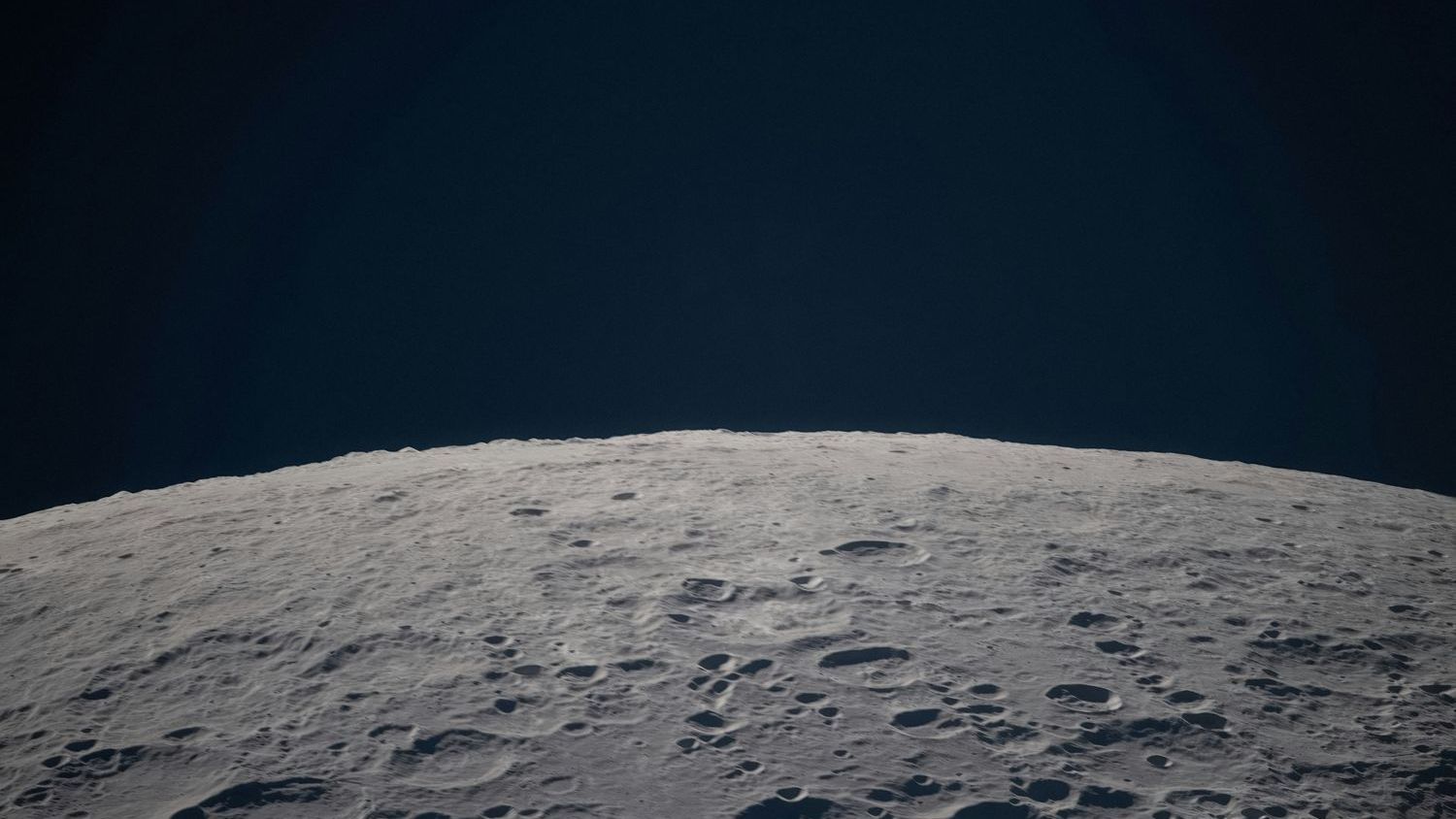
The Crew’s Trailblazing Lunar Journey (Image Credits: Unsplash)
Kennedy Space Center, Florida — The Orion spacecraft from NASA’s Artemis II mission returned to its Florida launch site this week, marking the final chapter of a voyage that sent four astronauts on a historic trip around the Moon. Technicians at the Multi-Processing Payload Facility began de-servicing the capsule immediately upon arrival, preparing it for detailed inspections.[1][2]
Launched less than a month earlier, the mission tested critical systems for future lunar exploration and shattered distance records long held by Apollo-era flights. The crew’s safe return underscored NASA’s progress toward sustainable Moon operations.
The Crew’s Trailblazing Lunar Journey
NASA astronauts Reid Wiseman, Victor Glover, and Christina Koch joined Canadian Space Agency astronaut Jeremy Hansen aboard Orion, named Integrity by the team. Wiseman served as commander, Glover as pilot, with Koch and Hansen as mission specialists. Their flight represented milestones: the first woman, person of color, and non-U.S. citizen to venture into deep space.[3]
The Space Launch System rocket propelled the crew from Launch Complex 39B on April 1, 2026. They conducted system checkouts in high Earth orbit before firing engines for trans-lunar injection. On April 6, Orion passed just 4,067 miles above the lunar surface, capturing thousands of images of craters, earthrise, and solar phenomena.[4]
The 10-day mission covered more than 694,000 miles overall. Teams monitored life support, spacesuits, and scientific experiments, including studies on microgravity and radiation effects on the body.
Shattering Records and Proving Capabilities
Artemis II pushed boundaries unseen since 1972. At its farthest, the spacecraft reached 252,756 miles from Earth, eclipsing Apollo 13’s mark and setting a new human spaceflight record. Four people now held the distinction of deepest space travelers, topping Apollo 8’s crew of three.[3][4]
Orion’s performance validated key technologies. Despite minor issues like a urine freeze in vent lines, resolved by onboard adjustments, the capsule handled deep-space conditions effectively. The steeper reentry trajectory addressed prior heat shield concerns from uncrewed tests.
Key Mission Milestones:
- Launch: April 1, 2026, from Kennedy Space Center
- Lunar flyby: April 6, 4,067 miles from Moon
- Farthest distance: 252,756 miles from Earth
- Splashdown: April 10, Pacific Ocean off San Diego
Splashdown, Recovery, and Cross-Country Trek
Orion splashed down at 5:07 p.m. PDT on April 10 southwest of San Diego, recovered by the USS John P. Murtha. Recovery teams extracted the crew for medical checks before helicopter transport ashore. The astronauts arrived at NASA’s Johnson Space Center in Houston the next day, reuniting with families.[4]
From Naval Base San Diego, the capsule traveled by truck to Florida. Engineers now remove payloads, avionics for reuse, and the heat shield for analysis. Performance data will refine designs for upcoming flights.[1]
Commander Wiseman reflected on X: “Been waiting for this moment… Today is my first step. I have never in my life felt peace like this.”[2]
Paving the Way for Artemis III
Post-mission work at Kennedy aligns with Artemis III preparations. The next Orion undergoes heat shield testing and module integration this year. SLS core stages and boosters arrive for stacking in the Vehicle Assembly Building.[1]
Artemis III will test docking with commercial landers in Earth orbit, targeting a crewed lunar landing as early as 2028. NASA Administrator Jared Isaacman hailed the crew’s “extraordinary skill, courage, and dedication,” crediting international partners across 14 countries.[4]
This full-circle return signals readiness for deeper exploration. With Orion safely home, the path to the Moon grows clearer.