

What a Geomagnetic Storm Actually Is
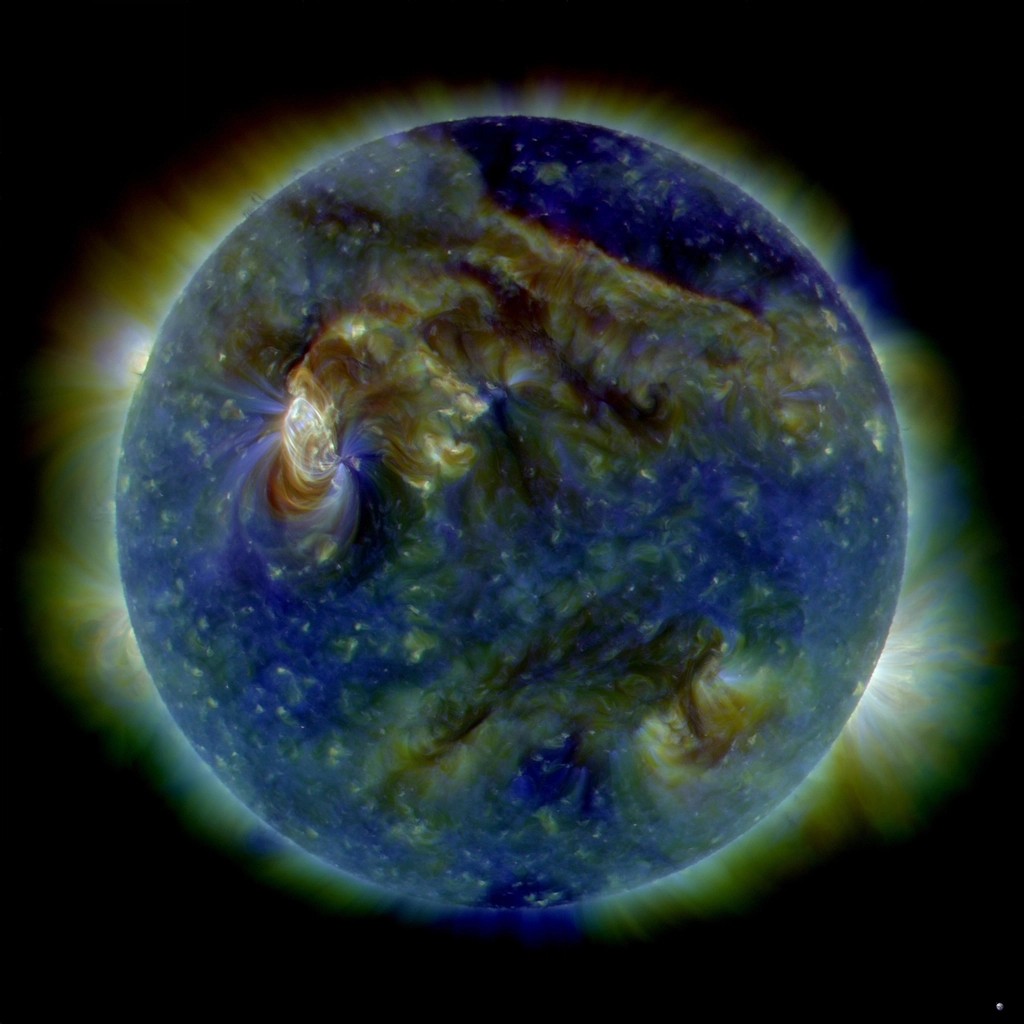
Geomagnetic storms occur when a large bubble of superheated gas called plasma is ejected from the surface of the Sun and hits the Earth. This bubble is known as a coronal mass ejection. The plasma consists of a cloud of protons and electrons, which are electrically charged particles.
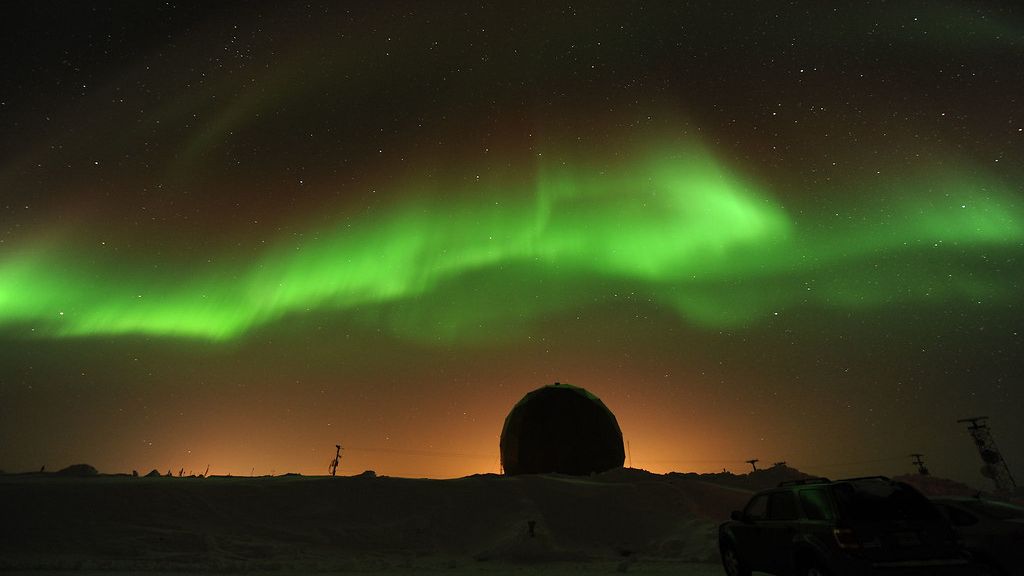
When these particles reach the Earth, they interact with the magnetic field that surrounds the planet. This interaction causes the magnetic field to distort and weaken, which in turn leads to the strange behavior of the aurora borealis and other natural phenomena.
A solar storm is a disturbance in space weather caused by the Sun’s activity, particularly solar flares and coronal mass ejections. These events release a massive amount of energy and charged particles into space, which can travel toward Earth and interact with its magnetic field.
We Are Still Deep in an Active Solar Cycle
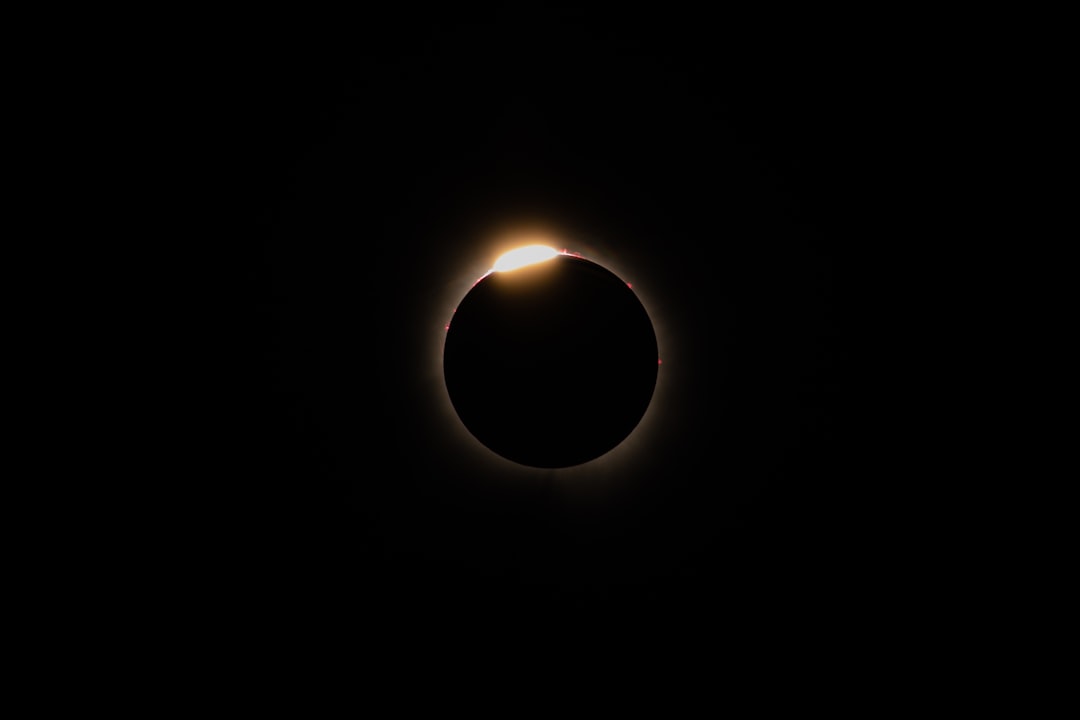
The Sun follows an approximately 11-year cycle of magnetic activity. As it passes through the peak of Solar Cycle 25 and enters the early declining phase of the cycle, increased activity continues to produce more sunspots, solar flares, and coronal mass ejections. These solar eruptions can send massive waves of energy into space. If one of these eruptions is directed toward Earth, it can disturb our planet’s magnetic field and trigger a geomagnetic storm.
NOAA’s Solar Cycle Prediction Panel predicted Cycle 25 to reach a maximum of around 115 sunspots occurring in July 2025, with the expected peak occurring somewhere between November 2024 and March 2026.
The elevated risk of solar storms could persist into 2026, because some evidence suggests coronal mass ejections may become more common on the back side of the peak in solar activity. For example, the 2003 Halloween storms, which battered global positioning systems and ground-based electric infrastructure with the most intense solar storms in 78 years, came well after the peak in 2002.
The May 2024 Storm: A Modern Wake-Up Call

The “Gannon” geomagnetic storm of May 10 to 12, 2024 was the first extreme storm of Solar Cycle 25 and the largest storm in more than 20 years. It was not merely a scientific curiosity. It caused measurable, documented disruptions across multiple industries.
The May 2024 storm, rated G5 on NOAA’s 1-to-5 Geomagnetic Storms scale, disrupted GPS communications enough to throw off tractor guidance, which requires centimeter-level precision.
During this period, a loss of satellite navigation resulted in a $500 million loss to the U.S. agricultural industry. That single figure underscores how a “space weather event” translates into very earthly economic damage, and farming was only one sector affected.
How Storms Reach Into Your Home’s Electronics
Although solar storms are not harmful to humans, they can cause significant damage to electronics. Charged particles can lead to memory corruption, and rapidly fluctuating magnetic fields can induce current in wires which in extreme cases can destroy devices. Satellites and transformers are the most at risk, but IoT devices are not immune.
Rapid variations in the magnetic field, particularly during severe space weather events, induce electric fields in the conductive subsurface which generate quasi-steady direct currents known as geomagnetically induced currents (GICs). The induced currents can flow through low-resistance grounded infrastructure such as the high-voltage power transmission network, gas pipelines, and railways, causing damage via overheating and even harmonic disturbances.
Depending on the orientation of the storm’s magnetic field, it could induce unexpected electrical currents in long-distance power lines, and those currents could cause safety systems to flip, triggering temporary power outages in some areas. When your power goes out, every smart device in your home that relies on continuous connectivity effectively resets, often in ways that require manual reconfiguration.
What 10 Million IoT Devices Revealed After the 2024 Storm
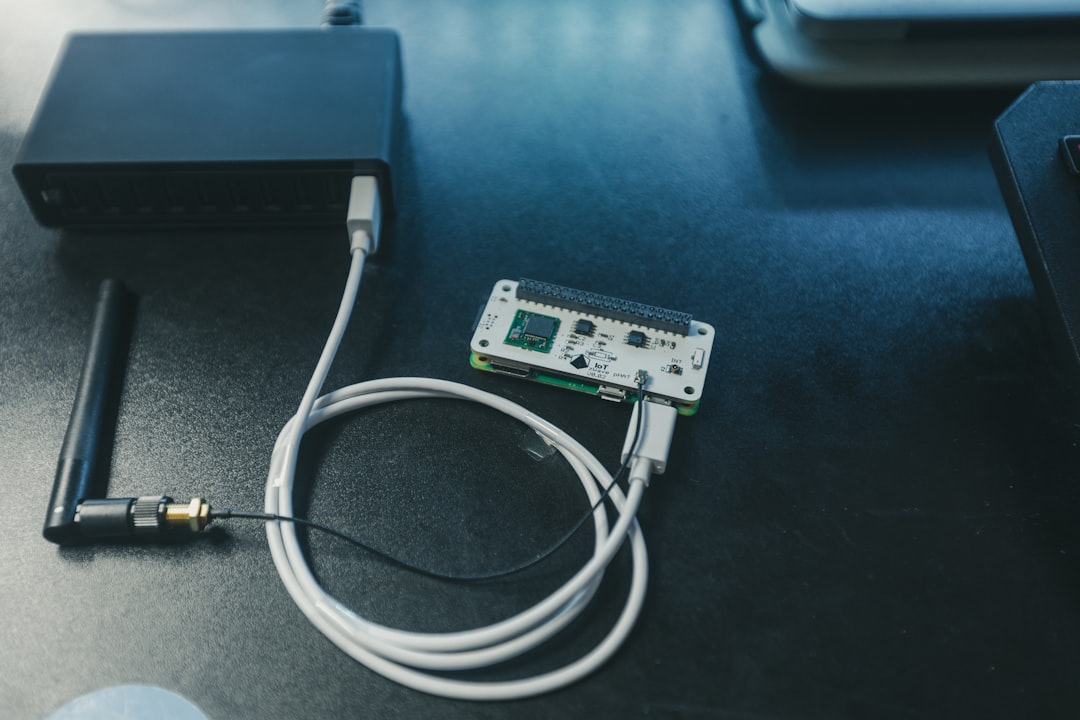
To understand how the May 2024 storm impacted smart devices, researchers examined data from a sample of over 10 million Internet of Things (IoT) devices monitored by Memfault. The findings were instructive.
As more people rely on smart devices for critical functions like healthcare and security, it becomes even more important to implement precautions and standards. Issues need to be quickly spotted and fixed, whether they are caused by a software bug, a solar flare, or a cyber attacker.
Only hardware changes such as using ECC memory can help avoid errors induced from cosmic rays. Most consumer smart home devices, from thermostats to security cameras to connected speakers, do not use this kind of hardened memory architecture. They were never designed with space weather in mind.
The Power Grid: Your Smart Home’s Weakest Link
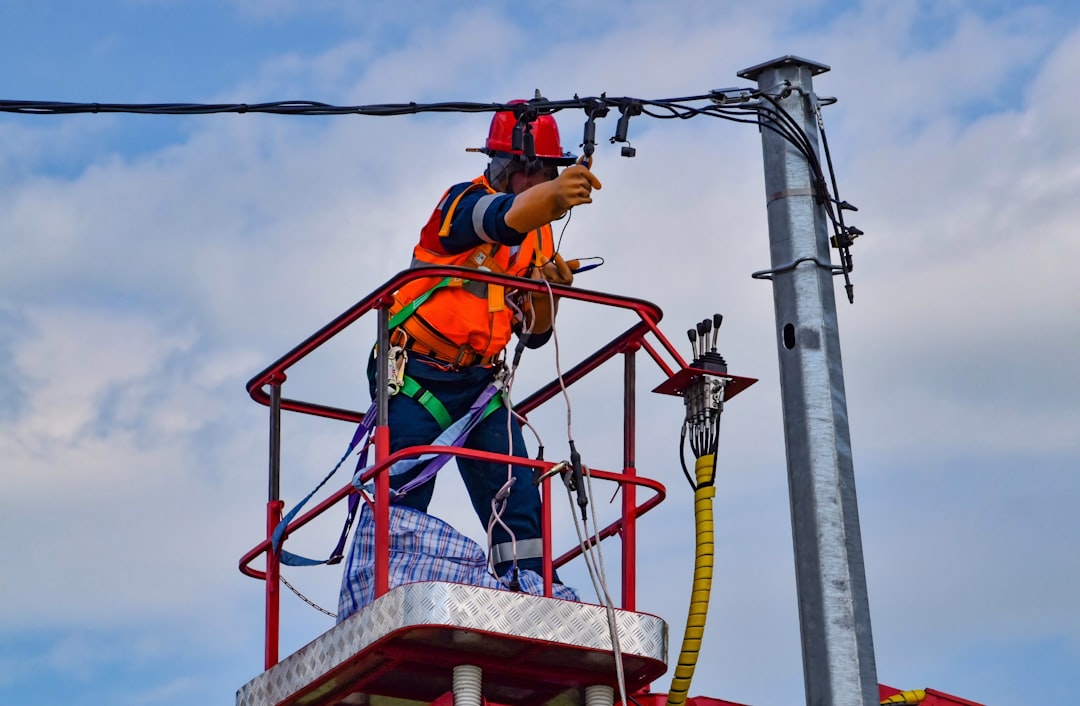
A blackout of the electrical grid could have cascading effects for communications and other technologies, including cellphones. Cellular towers might lose power, as could the data centers that host websites and their information.
Using decades of geomagnetic data and Earth conductivity measurements, research found that the Eastern and Midwestern U.S. would be most affected. The bedrock beneath these regions, which include many of the nation’s largest population centers and critical infrastructure, is more exposed to charged geoelectric fields that can interfere with electric-power systems. In some areas, expected magnetic field strengths would be enough to stress or damage high-voltage transformers and potentially lead to massive power outages.
The Department of Energy has previously cautioned that aging infrastructure and rising energy demand, driven by climate stress and AI-powered data centers, make the grid more vulnerable to space weather events.
November 2025: The Storm That Reminded Everyone Again

A powerful geomagnetic storm swept toward Earth on November 12, 2025, prompting federal agencies to issue urgent warnings about potential disruptions to power grids, satellite systems, and GPS navigation across large portions of the United States, Europe, and many other parts of the world. NOAA’s Space Weather Prediction Center classified the incoming solar event as a G4-level geomagnetic storm, one of the most intense categories on its five-point scale.
The disturbance was driven by a rare “cannibal coronal mass ejection,” a phenomenon where multiple solar eruptions merge into a single, fast-moving plasma wave.
The geostorm caused only minor disruptions, such as a 30-minute blackout of high-frequency radio transmissions across Europe, Africa, and Asia, as well as delaying the launch of NASA’s ESCAPADE satellite. It was another close call, and the relative quiet of the outcome should not be mistaken for permanence.
Historical Precedent: What a Truly Severe Storm Looks Like
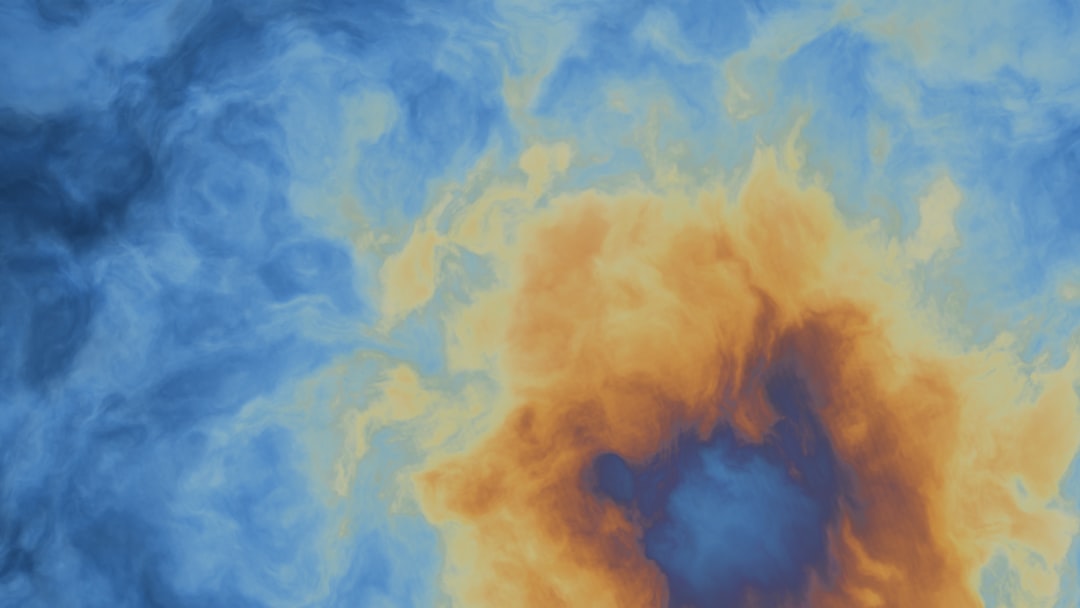
What the world experienced in 1859, now known as the Carrington Event, was the largest recorded account of a geomagnetic storm, far stronger than the May 2024 storm.
In 1989, a space weather event led to a massive blackout in Quebec, Canada for more than nine hours after geomagnetic fluctuations damaged transformers and other important equipment. That outage is a frequently cited reference point in infrastructure planning, yet it predates the smartphone era entirely.
Ice core samples have shown evidence that large-scale geomagnetic storms with similar intensities as the Miyake and Carrington events occur at an average rate of once every 500 years. Those odds sound comfortable, until you consider that the last Carrington-scale event was over 165 years ago.
Satellites, GPS, and the Domino Effect on Daily Life
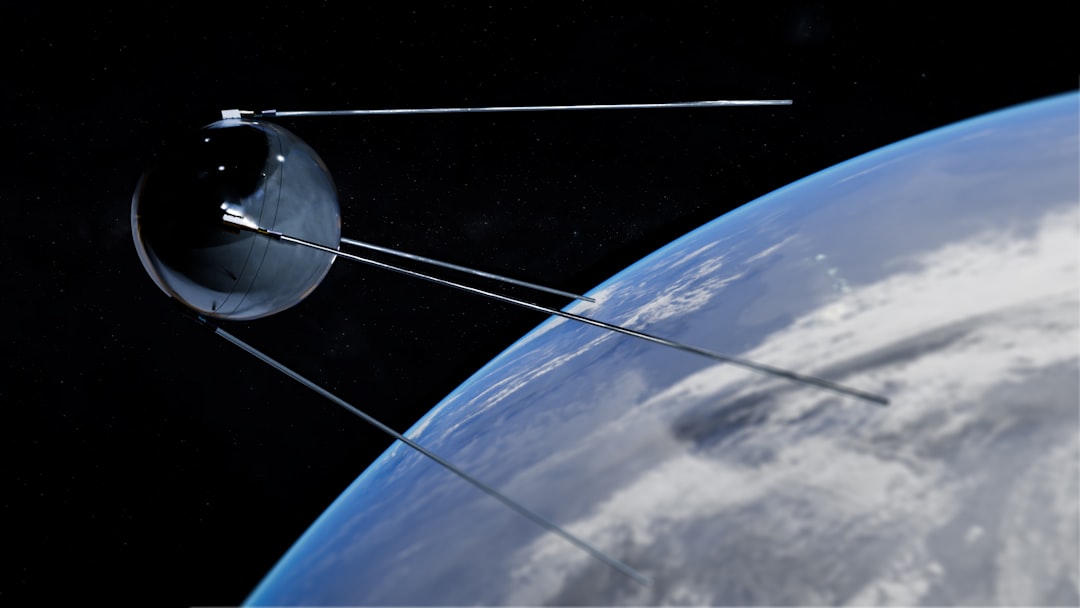
Charged particles can damage onboard electronics, interfere with sensors, and shorten the lifespan of solar panels on satellites. If enough satellites are affected, services many people barely think about could start to fail, and that includes GPS.
High-accuracy precise point positioning solutions experienced global outages during the May 2024 storm, with position outages persisting for 15 hours for stations in North America and 20 hours for those in Australia. That is not a blip. That is a half-day blackout for precision navigation systems used in aviation, shipping, and logistics.
Society has never relied more heavily on technology than it does today. Smartphones, maps, banking apps, deliveries, cloud services, and transport systems all sit on layers of infrastructure many people never see. That means a natural event once viewed mainly as a scientific curiosity now carries real economic and social weight.
What You Can Actually Do Before the Next Warning
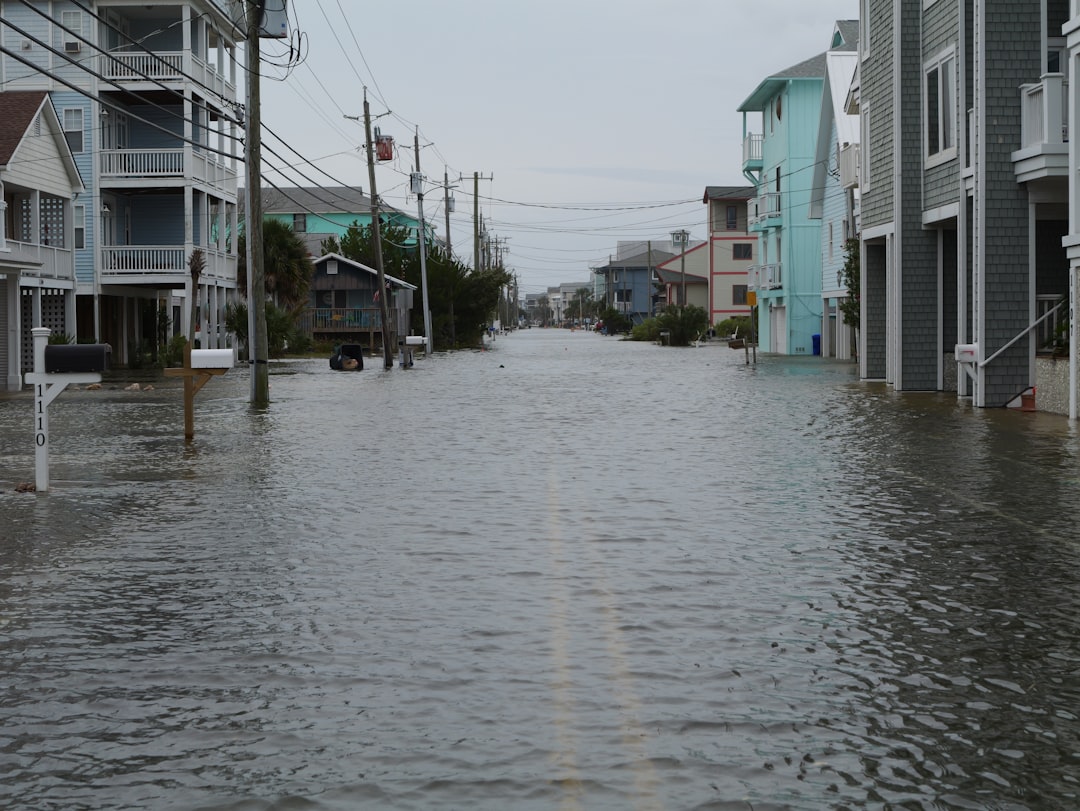
Most storms won’t impact your daily life, but for major ones, it’s smart to have a backup charger, keep devices unplugged during big solar flares, and stay updated using sites like NOAA’s Space Weather Center.
Backing up all important data and ensuring it is stored securely can prevent loss in case of disruptions. Investing in surge protectors helps shield electronic devices from power surges that may occur during the storm. These are not dramatic preparations. They are the same commonsense steps worth taking for any power disruption risk.
Making backup copies of important digital data regularly is a sound practice. The vast majority of NOAA Geomagnetic Scale 5 level storms will not cause catastrophic damage to the electric grid. Still, the gap between a disrupted smart thermostat and a failed hospital transformer exists on the same scale, just at different magnitudes.
The Bigger Picture: Preparedness Over Panic
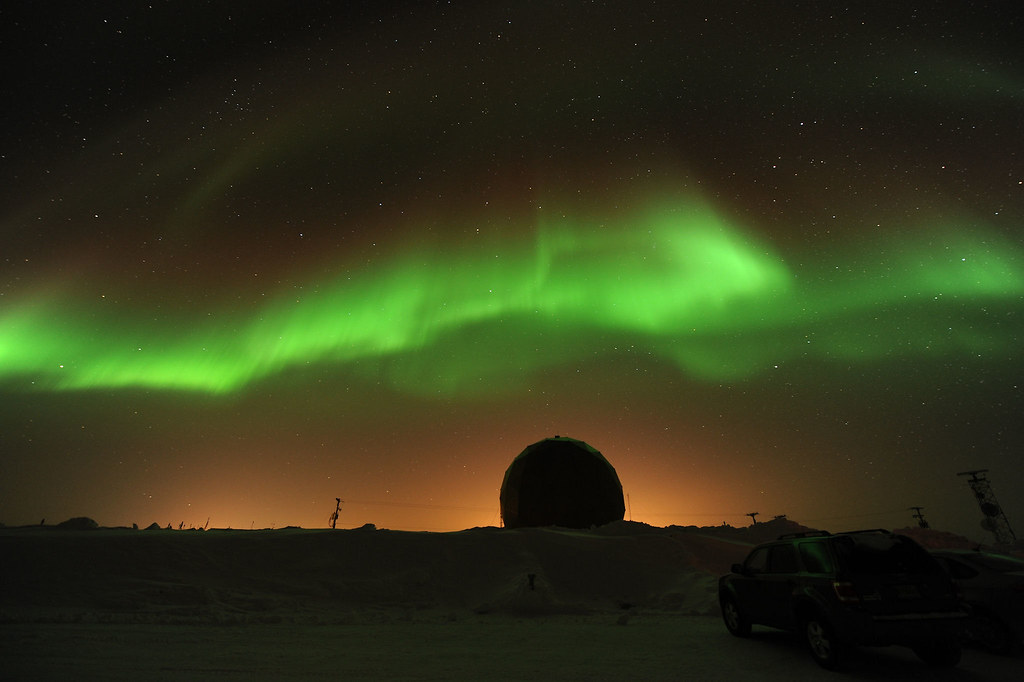
Although geomagnetic storms have occurred throughout history, their potential impacts to modern society have grown as our dependence on technology has increased. That sentence from the U.S. Geological Survey might be the most quietly important thing written about this topic.
Experts emphasize that while geomagnetic storms are natural phenomena, their impact on modern infrastructure is growing. As solar activity intensifies during the current solar cycle, resilience planning and early warning systems are becoming critical to national preparedness.
As Solar Cycle 25 unfolds, more geomagnetic storms and their impressive auroras will continue. Most will be mild, but the potential for a major event remains. The November auroras were a dazzling reminder of Earth’s connection to the Sun, but they also highlight the importance of preparedness.
The sun is not misbehaving. It is doing exactly what it has always done. What has changed is the fragility of the world we’ve built underneath it. A 72-hour warning sounds like plenty of time, but only if someone is actually listening.