

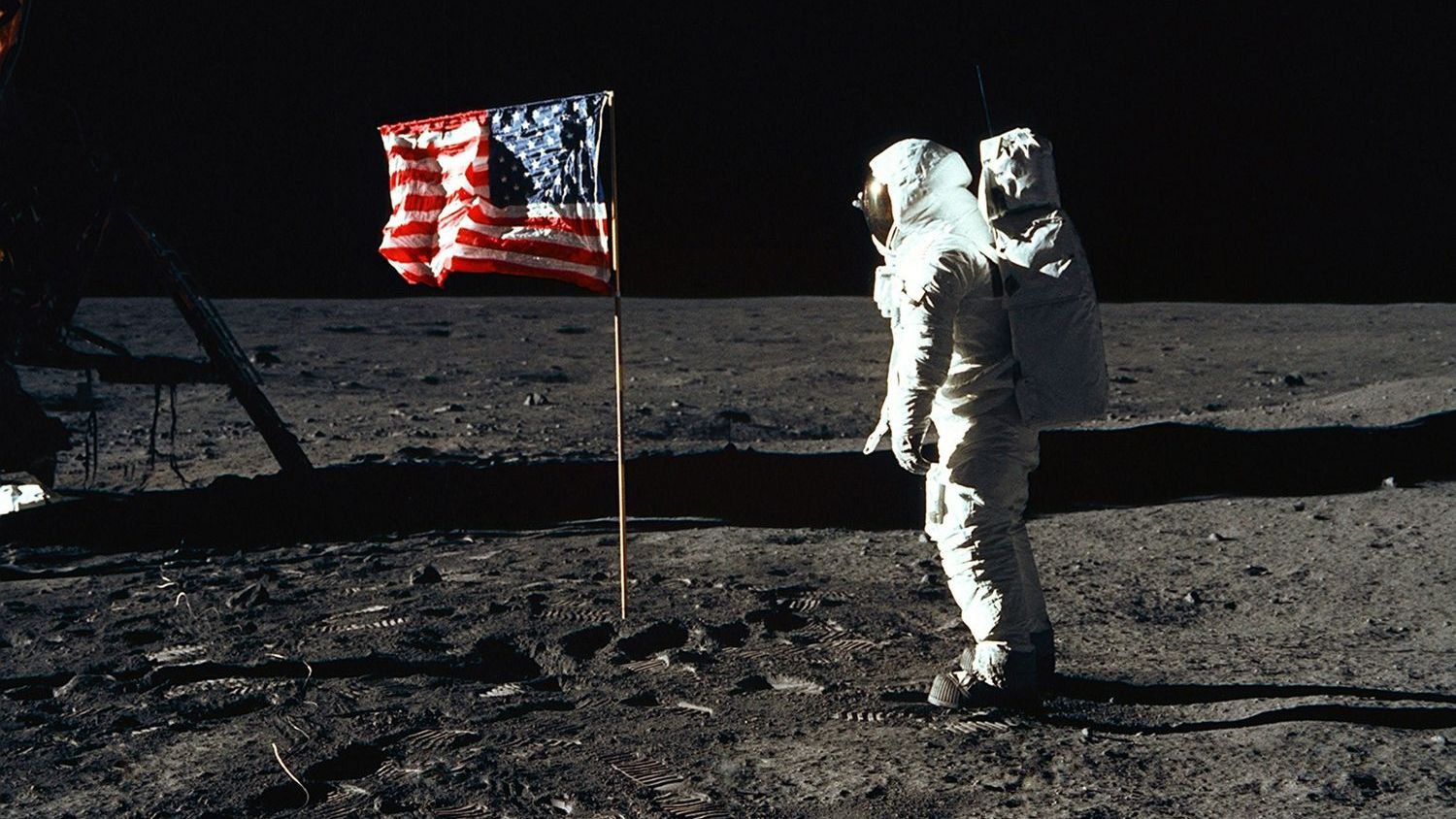
Artemis II Crew Returns as Heroes (Image Credits: Unsplash)
President Donald Trump voiced confidence Wednesday that NASA could land astronauts on the Moon before his second term concludes in early 2029. The remarks came during an Oval Office ceremony honoring the crew of the recently completed Artemis II mission, the first crewed flight around the Moon in more than 50 years. Trump tempered his enthusiasm with caution, highlighting the risks of overpromising on such ambitious goals.[1][2]
Artemis II Crew Returns as Heroes
The Artemis II astronauts – Reid Wiseman, Victor Glover, and Christina Koch of NASA, along with Canadian Jeremy Hansen – launched aboard the Space Launch System rocket and Orion spacecraft on April 1, 2026. Their nine-day journey took them farther into deep space than any previous human mission, circling the Moon at a maximum distance of about 252,000 miles from Earth. The mission tested critical systems for future lunar operations and returned safely on April 10.[2][1]
Trump welcomed the crew to the White House, where he praised their achievement as a step toward renewed American leadership in space. The event underscored the momentum building in NASA’s Artemis program, which aims to establish a sustainable human presence on the lunar surface.
President’s Cautious Optimism on Landing Timeline
When asked directly if NASA could achieve a crewed Moon landing during his presidency, Trump replied, “Oh, we have a shot at it.” He added, “I mean, we don’t like to say ‘definitely,’ because then you say, ‘oh, we failed.’ I think we have a good shot.”[1] The president also lightened the mood by joking about joining a future mission himself, asking, “Is a president allowed to go up on one of these missions?” NASA Administrator Jared Isaacman responded positively, saying they could “get working on it.”[1]
Isaacman reinforced the administration’s support, declaring that NASA possesses “an achievable plan to go back to the Moon.” These exchanges reflected a blend of political backing and pragmatic spacefaring realism.
Artemis Roadmap Targets 2028 Lunar Touchdown
NASA’s Artemis program outlines a series of missions building toward sustainable lunar exploration. Artemis I flew uncrewed in 2022, validating the SLS rocket and Orion capsule. Artemis II’s success now paves the way for Artemis III in 2027, which will test commercial lunar landers in low Earth orbit.[3]
| Mission | Year | Objectives |
|---|---|---|
| Artemis III | 2027 | Test SpaceX and Blue Origin landers in Earth orbit |
| Artemis IV | Early 2028 | First crewed lunar landing |
| Artemis V | Late 2028 | Standard SLS launch, increased cadence |
The early 2028 target for Artemis IV has held steady since mid-2025, positioning a landing well within Trump’s timeline. Subsequent missions plan for annual returns, supporting bases and Mars preparation.
Hurdles Remain for Landers and Reliability
Central to the landing effort are human landing systems from private firms: SpaceX’s Starship and Blue Origin’s Blue Moon. Artemis III will verify these vehicles before committing crews to lunar descent. Experts have raised concerns about development timelines, noting past delays in complex hardware.[1][3]
China advances its own program, aiming for a 2030 landing, adding competitive pressure. NASA’s partnerships with over 60 nations via the Artemis Accords bolster international collaboration, but technical execution will determine success. Trump’s endorsement signals strong federal commitment amid these uncertainties.
A crewed Moon landing by 2029 would cap a dramatic revival of U.S. lunar ambitions, echoing Apollo while forging paths to Mars. Whether NASA meets the mark hinges on flawless execution in the coming years, but the Artemis II triumph offers solid footing for what lies ahead.