

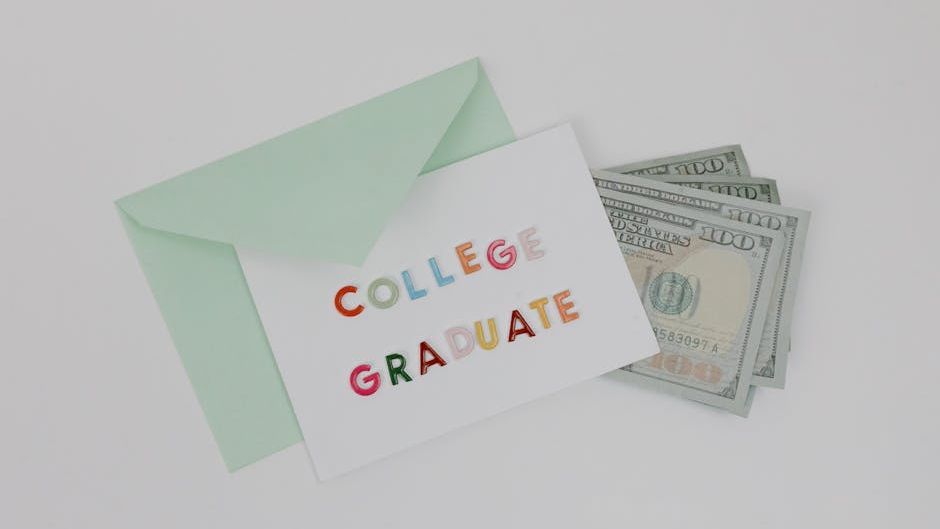
Too Much or Too Cheap? The Truth About 2026 Grad Cash Gifts – Image for illustrative purposes only (Image credits: Pexels)
As graduation ceremonies fill arenas across the country this year, families grapple with a familiar yet evolving dilemma: determining the right cash amount to hand over. Inflation has nudged everyday expenses higher, making past benchmarks feel outdated for many. Yet surveys reveal clear patterns in what people actually give, offering a roadmap to thoughtful decisions that honor the milestone without financial strain.
Shifting Trends in 2026 Gift Amounts
Recent surveys from RetailMeNot and NerdWallet highlight how cash gifts for high school graduations typically range from $50 to $150. Close family members, including parents and grandparents, often extend between $100 and $300, adjusted to their circumstances. Friends and more distant relatives, meanwhile, commonly opt for $20 to $75, particularly when multiple events crowd the calendar.
These figures represent common practices rather than mandates. They account for broader economic pressures that have reshaped giving over recent years. Attendees at ceremonies report aligning their contributions within these bands to maintain balance.
Why Relationships Drive the Decision
The connection to the graduate outweighs any fixed dollar figure. Siblings or grandchildren merit more substantial gifts than a coworker’s child or neighbor. In tight-knit groups, visible norms amplify this dynamic, prompting gifts that reflect intimacy rather than uniformity.
Such personalization ensures the gesture resonates. A modest sum from a close relative carries warmth that a larger one from an acquaintance might lack. This principle sustains goodwill across varying financial landscapes.
Inflation’s Subtle Shift in Perceptions
Rising costs in tuition, housing, and daily life have quietly recalibrated what registers as generous. A $100 gift in 2026 holds purchasing power akin to $75 from several years prior. Families acknowledge these changes, though discussions remain understated.
Still, stretching budgets proves unnecessary. Consistency in approach preserves authenticity amid economic flux. Graduates value recognition of their transition over precise parity with inflation metrics.
Regional variations add nuance. Cultural traditions or local economies can tilt expectations higher or lower. Awareness of these factors prevents misalignment.
Survey data underscores restraint as the norm. Most contributors stay within comfortable limits, prioritizing sustainability. This measured evolution reflects broader adaptations to prolonged cost pressures.
Avoiding Pitfalls in Your Giving
Mismatching the amount to the relationship stands out as a frequent error. A $20 envelope for a family member’s event risks seeming detached, while $500 from unsteady finances invites regret. Overlooking customs or delaying delivery compounds issues.
Presenting cash via a card at the event or soon after signals care. These steps foster positive reception without excess.
Steps to Settle on the Ideal Sum
Begin with a personal budget, factoring in total graduations on your list. Categorize recipients – immediate family, extended kin, friends – and assign ranges accordingly, such as $150 for closest ties, $75 for relatives, and $40 for others.
A personal note or modest add-on amplifies impact. This framework blends fiscal prudence with sentiment.
- Set overall spending cap first.
- Prioritize by closeness.
- Enhance with written words.
Beyond the Dollar: Celebrating the Milestone
Graduation cash ultimately salutes hard work and new beginnings. Recipients cherish attendance and affirmation more than tallies. Years on, cards with sincere pride endure longer than recalled sums.
Embrace this focus to sidestep pressure. In 2026, genuine intent defines the perfect gift, fostering lasting bonds amid life’s transitions.