

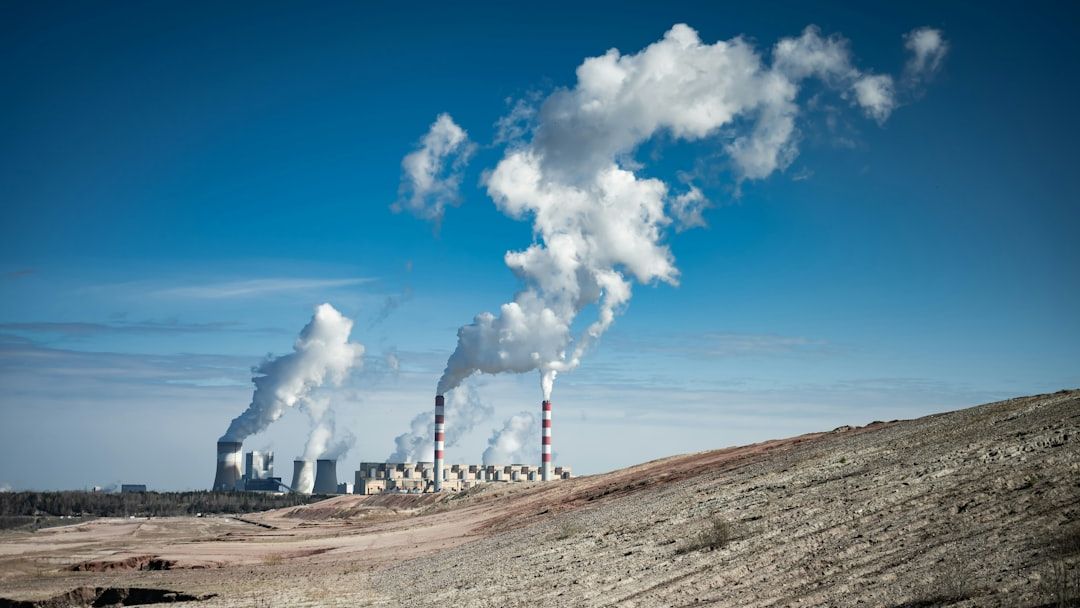
Santa Marta: Key outcomes from first summit on ‘transitioning away’ from fossil fuels – Image for illustrative purposes only (Image credits: Unsplash)
Santa Marta, Colombia – Ministers and envoys from 57 nations gathered last week amid soaring energy prices and intensifying climate disasters to confront the vulnerabilities of fossil fuel reliance. The conference, held from April 24 to 29, marked the first dedicated forum on transitioning away from coal, oil, and gas, drawing representatives from countries accounting for a third of the global economy. Participants left with commitments to craft national roadmaps and tackle subsidies and trade distortions that prop up dirty energy.
A Fresh Approach to Tough Conversations
The summit departed sharply from the rigid structures of UN climate talks. Co-hosts Colombia and the Netherlands invited a select coalition of willing nations, excluding major producers like China, Russia, the United States, and India to foster candid dialogue. Colombian Environment Minister Irene Vélez Torres emphasized science’s role, stating, “We need to go back to science and base our decisions on science.”
This setup allowed for intimate breakout sessions under Chatham House rules, where ministers sat alongside civil society in small circles. Attendees praised the format as refreshing and groundbreaking. Panama’s special climate representative Juan Carlos Monterrey Gómez noted its impact: ministers set aside laptops to speak from the heart, creating a space unlike any in a decade of UN negotiations. Dutch Climate Minister Stientje van Veldhoven highlighted energy security benefits, saying fossil fuel dependence structurally harms economies.
National Voices Highlight Urgency
In the high-level segment, leaders from diverse regions underscored the dual crises of climate impacts and fossil fuel market shocks. Nigeria’s minister explained efforts to diversify beyond oil, which dominates 80% of exports, stressing manageable decline. Tuvalu’s climate minister lamented decades of UN talks skirting core issues, while Panama’s envoy decried 34 years of negotiating symptoms over causes.
Speeches wove economic resilience with environmental imperatives. The UK climate representative warned against ignoring repeated fuel crises. France announced its new transition roadmap, and Colombian President Gustavo Petro warned of inertia in outdated energy systems. These interventions built a shared narrative: fossil fuels threaten stability, from volatile prices to unraveling economies.
Science Powers Practical Pathways
A pre-conference drew 400 academics to debate phase-out policies, methane’s role, and just transitions. It launched the Science Panel for Global Energy Transition, led by experts like Johan Rockström and Carlos Nobre, promising agile, country-specific analyses unlike the IPCC’s lengthy cycles. The panel, based at the University of São Paulo, features working groups on pathways, technologies, policies, and finance.
Scientists also released a synthesis report with 12 action insights, urging halts to new fossil expansions and bans on fuel advertising. For Colombia, a tailored roadmap projects 90% energy emission cuts by 2050 through electrification and phase-downs, with upfront costs offset by long-term savings up to $23 billion annually. Professor Piers Forster, who led the effort, stressed framing transitions economically to sway policymakers.
Targeted Workstreams Chart the Course Ahead
Summit outcomes centered on three voluntary workstreams to prepare for the next gathering in Tuvalu in 2027, co-hosted by Ireland. The first supports national and regional roadmaps linked to climate plans, backed by the new science panel and NDC Partnership. These must address exported emissions transparently.
The second tackles finance, targeting subsidies and debt traps with help from the International Institute for Sustainable Development. All nations received invitations to report subsidies. The third eyes fossil-intensive trade, aided by the OECD, aiming for a fuel-free system. A coordination group, including hosts and alliance leaders, will feed findings to Brazil’s COP30 presidency for a global roadmap at COP31.
Broad Participation Ensures Just Transitions
Indigenous leaders, farmers, and youth joined via a People’s Assembly, demanding non-extraction in territories and rights-based shifts. Representatives spoke alongside ministers in plenaries, a rarity in climate forums. Bundjalung Nations climate leader Larissa Baldwin-Roberts challenged tokenism: “True solidarity…is the prerequisite to a just transition.”
A parallel civil society summit united 900 groups in a declaration for funded, equitable change. As the coalition opens wider, these voices signal that transitions must deliver security and equity, not just emission cuts. The summit’s legacy may lie in proving small-group candor can yield actionable momentum against entrenched interests.