

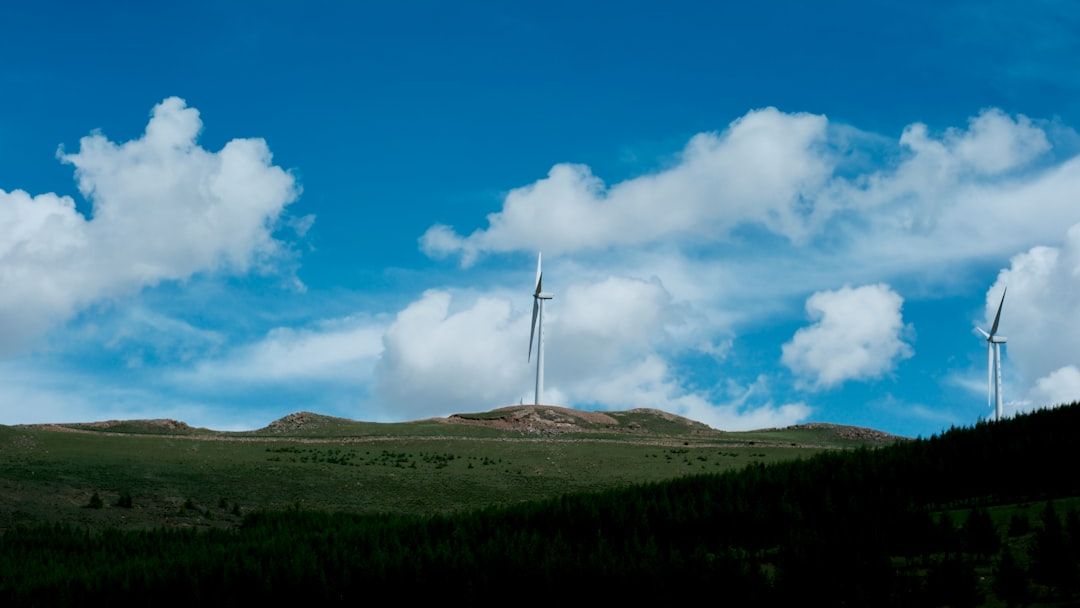
China Briefing 30 April 2026: Fossil fuel ‘strict controls’ | El Niño approaches | Why cleantech exports have surged – Image for illustrative purposes only (Image credits: Unsplash)
Communities in southern China faced severe flooding last week from record-breaking rains, prompting urgent government action on flood defenses while highlighting vulnerabilities tied to shifting weather patterns. At the same time, Beijing issued directives to sharply limit fossil fuel use, signaling a firmer commitment to curbing coal dependency amid growing clean energy capacities. These moves come as exports of solar panels and other green technologies hit record highs, driven by global demand and domestic policy shifts.
Floods Test Resilience in Southern Provinces
Heavy downpours battered central and southern regions, with Hunan, Guizhou, and Jiangxi provinces recording unprecedented rainfall levels. Local authorities mobilized flood control measures to protect residents and infrastructure. In Guangxi, one area saw 14 centimeters of rain fall in a single hour over the weekend of 26-27 April.
Chinese Vice Premier Liu Guozhong discussed enhanced meteorological cooperation with the World Meteorological Organization’s secretary-general, focusing on early warning systems and disaster relief efforts. These events underscore the human toll of extreme weather, displacing families and straining emergency resources in affected areas.
Beijing’s Directive to Strictly Control Coal and Oil
On 22 April, national guiding opinions called for local governments to strictly control fossil fuel consumption as part of broader energy conservation and carbon reduction strategies. The document, released through state media, emphasized building societal consensus around these goals. Hu Min, director of the Beijing-based Institute for Global Decarbonization Progress, described it as a clear political signal to reduce coal usage and advance the energy transition.
The following day brought new provincial evaluation criteria, incorporating 14 indicators on clean energy consumption and limits on coal and oil. These metrics aim to enforce accountability in meeting climate targets. Qin Qi, a China analyst at the Centre for Research on Energy and Clean Air, noted that the measures strengthen compliance systems. Both policies originated from top political levels, a rare step highlighting their strategic weight, according to Wu Hongjie of the China Carbon Neutrality 50 Forum.
Clean Capacity Hits Milestone, Solar Additions Dip
China’s clean energy grid capacity surpassed 2,400 gigawatts by March 2026, accounting for 60% of the total power mix. Wind and solar alone reached 1,900 gigawatts, with green hydrogen production capacity at 250,000 tonnes operational and 900,000 tonnes under construction. Officials clarified that the 15th five-year plan’s pledge to double non-fossil energy capacity runs from 2025 to 2035.
Yet new solar installations slowed to 41 gigawatts in the first quarter of 2026, down from 60 gigawatts the prior year, with March marking a four-year low. Wind and thermal capacity growth also eased. Economic Daily described the doubling goal as one of the most ambitious in China’s energy history, positioning the country to reduce import reliance and lead in low-carbon industries.
Cleantech Exports Soar, Led by Solar Amid Global Tensions
Exports of solar cells, electric vehicles, and lithium-ion batteries – dubbed the “new three” – jumped 70% year-on-year to $21.6 billion in March 2026. Solar shipments doubled month-on-month, capable of generating 68 gigawatts, equivalent to Spain’s total installed solar capacity. Over 50 countries hit record imports from China that month, with Asia and Africa absorbing three-quarters of the increase.
The Middle East conflict spurred demand for non-fossil alternatives, but a looming policy change proved decisive: export tax rebates for solar products ended on 1 April, prompting a pre-deadline rush. Batteries and EVs, still eligible for rebates, saw more modest gains. Falling silver prices further aided production by lowering costs for panel components.
- Middle East war boosts global urgency for clean energy diversification.
- Domestic rebate cutoff drives one-off solar shipment spike.
- Sustained EV demand, with over one million units shipped in Q1, up 73% year-on-year.
- Analysts expect April solar exports to normalize but foresee ongoing global growth.
Dave Jones of Ember suggested the rebate removal could foster a fairer global market. Qin Qi anticipated a monthly dip but optimism for broader capacity additions outside China.
Broader Shifts in Energy and International Ties
China initiated hydrogen blending at 10% in Shandong’s gas supplies, potentially cutting annual emissions by 30 million tonnes. A new satellite launched to monitor greenhouse gases with high precision. In Europe, SAIC advanced plans for an EV factory in Spain, while Ming Yang eyed similar moves after UK setbacks.
Tensions with the EU persisted over tariffs on Chinese EVs and the Industrial Accelerator Act, though commerce officials reported progress toward a resolution. These developments reflect China’s dual focus: domestic decarbonization and expanding green tech influence abroad.
As El Niño patterns threaten to intensify from May onward, potentially straining hydropower regions and increasing fossil fuel reliance, these policy signals offer a counterbalance. Officials cautioned against overpredicting its peak strength but noted rising risks for heat and energy disruptions. For millions in weather-vulnerable areas, the interplay of climate action and extreme events will shape daily lives in the months ahead.