

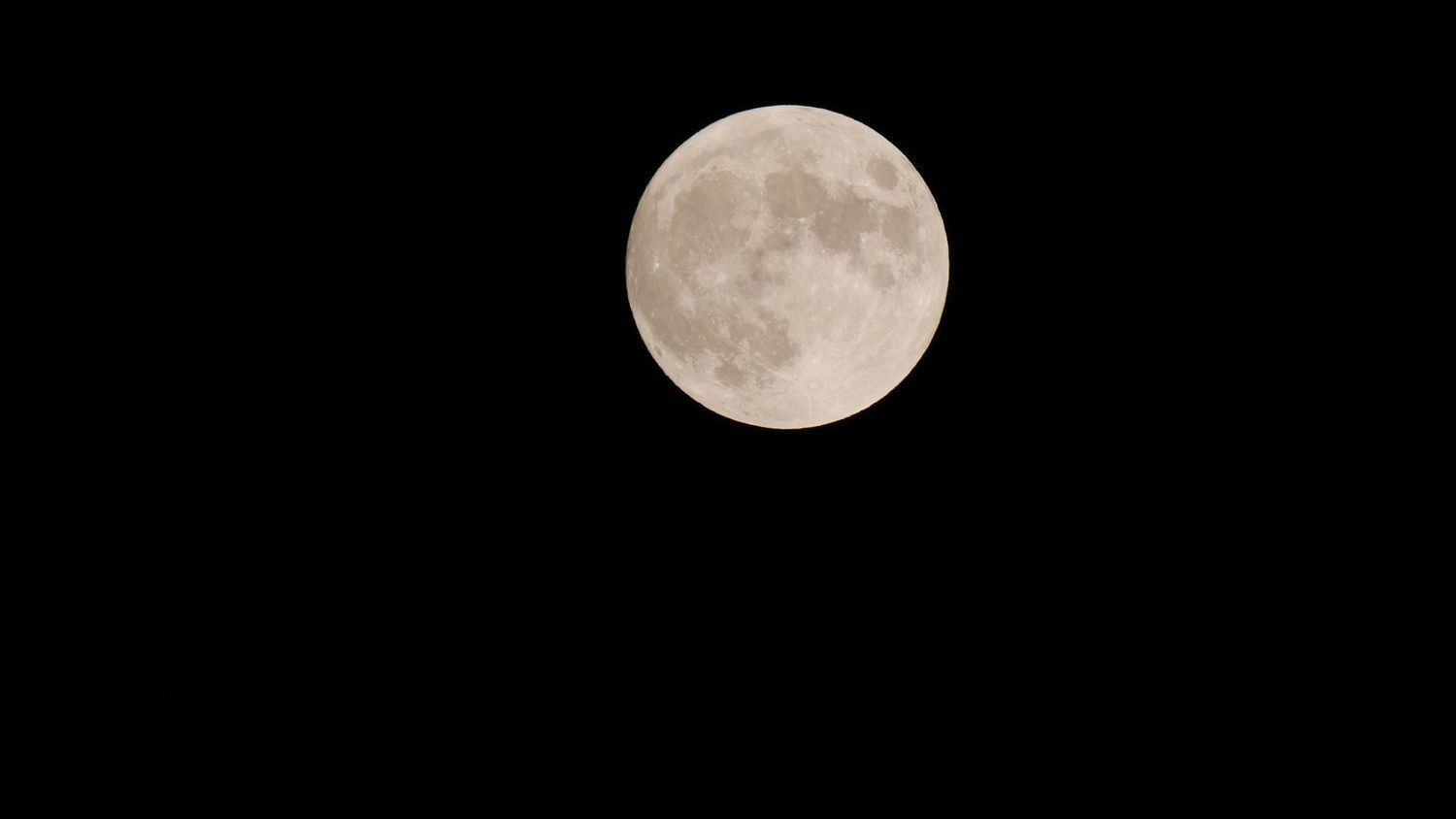
Full moon alert: May’s Flower ‘micromoon’ will look extra small tonight, with a rare Blue Moon following – Image for illustrative purposes only (Image credits: Unsplash)
Skywatchers mark their calendars for May 2026, a month that delivers two full moons with unusual twists. The first, known as the Flower Moon, reaches peak illumination this afternoon but promises a striking appearance after sunset tonight as a micromoon – the smallest full moon of the year so far.[1][2] Later in the month, another full moon on May 31 earns the title of Blue Moon, creating a rare pairing that highlights the moon’s elliptical path around Earth.[3]
Unpacking the Micromoon Phenomenon
The term micromoon describes a full moon occurring near the moon’s apogee, its farthest point from Earth in its orbit. On May 1, the Flower Moon aligns closely with apogee around May 4, making it appear roughly 14 percent smaller than a typical full moon and slightly dimmer.[4] This contrasts sharply with supermoons, where the moon hugs closer at perigee.
Peak illumination arrives at 1:23 p.m. EDT, meaning the moon rises already nearly full shortly after sunset. Observers will notice its compact disk low on the eastern horizon, framed against the spring twilight. The effect proves subtle to the naked eye but rewarding through binoculars or a telescope.[5]
The Blue Moon’s Seasonal Surprise
A Blue Moon traditionally marks the second full moon in a single calendar month, a setup that happens about every 2.7 years. May 2026 fits this pattern perfectly, with the May 31 full moon claiming the distinction just before apogee on June 1.[1][6] Despite the evocative name, it will not glow blue; the phrase stems from old folklore about unexpected events.
This Blue Moon also qualifies as a micromoon, amplifying the month’s theme of distant lunar views. Peak timing varies by location – around 4:45 a.m. EDT for eastern observers – placing its rise late on May 30 for evening watchers. The rarity lies in combining both traits in one event.[7]
Why This Month’s Moons Capture Attention
May 2026 stands out because both full moons qualify as micromoons, a double occurrence tied to the lunar cycle’s alignment with apogees. The Flower Moon draws its name from Native American, Colonial American, and European traditions linking it to blooming wildflowers and budding leaves.[1] Astronomers note this as the first micromoon of the year, setting a precedent for subtle celestial contrasts.
Such alignments remind viewers of the moon’s 27.3-day orbit, which varies distance from 363,000 to 405,000 kilometers. When full moons coincide with extremes, visual differences emerge – micromoons shrink the apparent size by up to 12-14 percent compared to averages. May’s pair underscores these orbital dynamics without the drama of closer approaches.[2]
The sequence also follows a quiet period since the last Blue Moon nearly two years prior. For enthusiasts, it offers back-to-back opportunities to compare lunar scales against familiar horizons.
Viewing Tips for Optimal Sights
Locate a clear eastern horizon tonight for the micromoon’s rise around sunset – typically 8 p.m. local time in many areas. Twilight enhances the scene, with the small moon climbing amid fading light. Avoid city lights to appreciate its glow fully.
Plan ahead for May 31: The Blue Moon rises late evening on the 30th, peaking overnight. Use apps or charts for exact local times, and pair with binoculars for crater details. Weather permitting, both events suit casual observers worldwide.
- Check local sunset and moonrise times via reliable astronomy sites.
- Observe from elevated spots to clear trees or buildings.
- Compare sizes mentally against a supermoon memory or photo.
- Document with steady camera shots on a tripod.
Key Lunar Facts for May 2026: Two micromoons, one Blue Moon, no color change – pure orbital geometry at play.
These events invite reflection on ancient skywatching practices, where full moons guided planting and harvests. As May unfolds, the lunar duo provides accessible wonders, bridging everyday evenings with cosmic precision. Skywatchers who tune in tonight set the stage for month’s end, when the Blue Moon seals the rarity.