

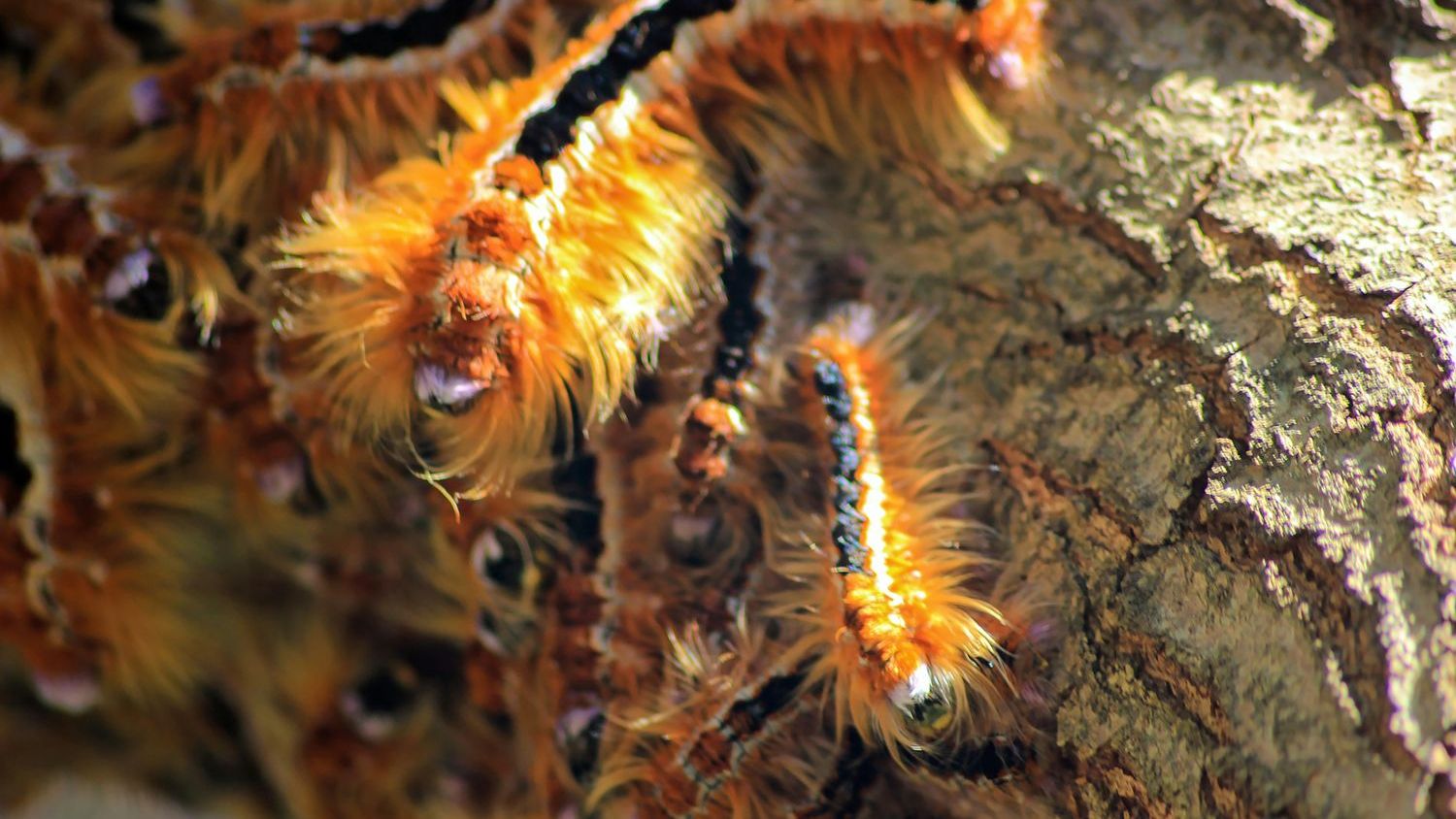
How oak trees outwit their predators – Image for illustrative purposes only (Image credits: Unsplash)
Forests witness an extraordinary act of defiance each spring. Oak trees, battered by caterpillar hordes one year, withhold their tender leaves for three extra days the next. This precise timing leaves the newly hatched insects facing barren branches, disrupting their feast before it begins. Researchers have uncovered this adaptive response, highlighting a form of ecological memory in plants.
Caterpillars Time Their Assault Perfectly
Spring brings a surge of life to woodland canopies. Caterpillars emerge from eggs precisely when oak leaves unfurl – young, soft, and bursting with nutrients. These insects waste no time, devouring foliage at a voracious pace that can strip branches bare in heavy infestations.
The synchronization seems ideal for the pests. Fresh leaves offer minimal defenses, allowing caterpillars to multiply rapidly. A single outbreak can weaken the tree, sapping energy reserves and threatening long-term health. Yet oaks endure, poised for retaliation.
The Three-Day Delay That Starves Invaders
Heavy caterpillar damage triggers a subtle but powerful shift. The following spring, affected oaks push back leaf bud opening by three days. Hatching caterpillars encounter sealed buds instead of open buffets, forcing desperate searches for food.
This delay proves devastating for the young larvae. Starvation sets in quickly, curbing population booms before they escalate. Trees escape widespread defoliation, preserving their vigor for growth and reproduction. The strategy underscores how plants fine-tune phenology – the timing of biological events – to counter threats.
Plants and the Power of Multi-Year Memory
Oak trees demonstrate more than reflex; they exhibit a persistent response spanning seasons. Chemical signals or hormonal changes from the prior infestation likely persist through winter dormancy, altering spring bud break. This multi-year adaptation reveals layers of sophistication in plant behavior.
Such mechanisms extend beyond oaks. Many species adjust growth patterns based on past stresses, from drought to herbivory. In oaks, the effect scales with infestation severity – heavier attacks prompt stronger delays. This targeted defense bolsters forest resilience against cyclical pests.
- Normal springs: Leaves emerge on cue, inviting caterpillar feeding.
- Post-infestation: Buds stay closed three days longer, denying easy meals.
- Outcome: Reduced larval survival, lighter tree damage.
Broader Lessons from Forest Defenses
The oak’s tactic challenges views of plants as passive. These trees actively track environmental cues over time, deploying survival strategies with clockwork precision. Forests rely on such interactions to maintain balance amid predator-prey dynamics.
Understanding this response could inform conservation. As climates shift, altered spring timings might disrupt these defenses, amplifying pest pressures. Oaks’ built-in memory offers a model of natural ingenuity, reminding us that survival in nature demands foresight as much as strength.