

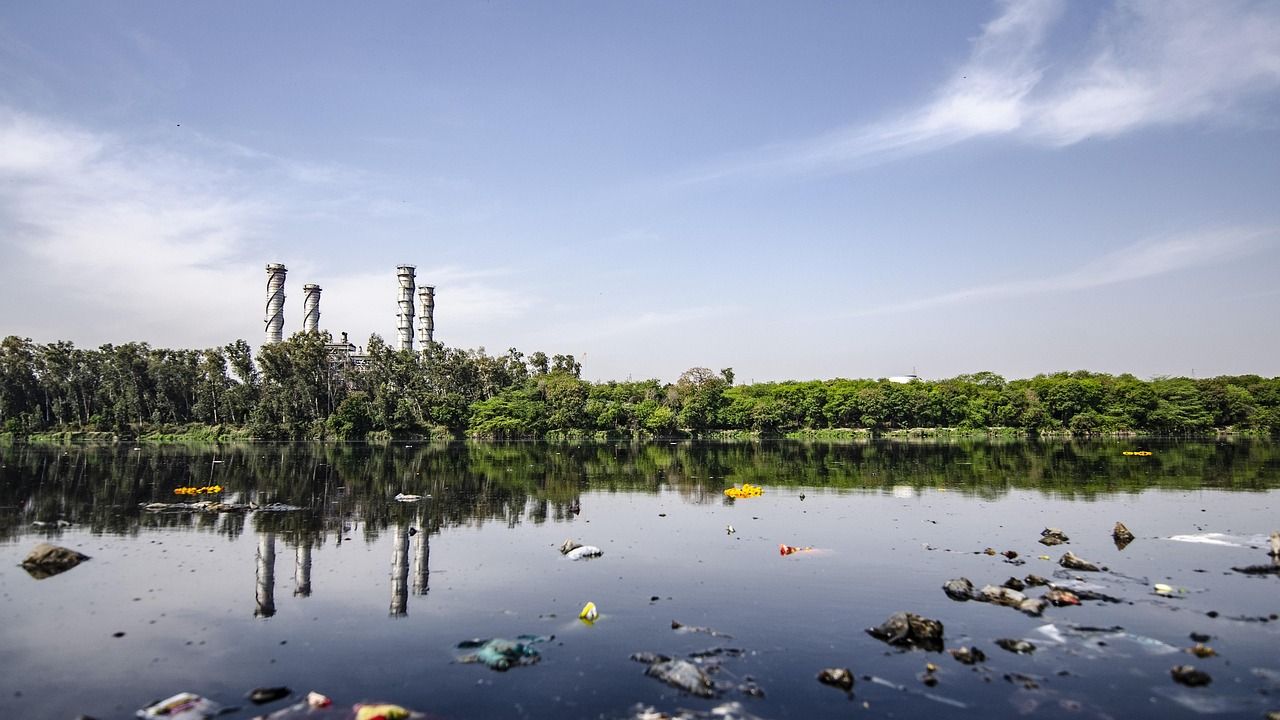
The Persistence of PFAS – Image for illustrative purposes only (Image credits: Pixabay)
Per- and polyfluoroalkyl substances, known as PFAS, have lingered in industrial applications since the 1940s. These versatile compounds enable nonstick coatings, waterproof fabrics, and stain-resistant surfaces that define modern convenience. Yet their stability comes at a cost, as they infiltrate air, soil, water, and human bodies, raising alarms over links to weakened immune responses, childhood developmental issues, and certain cancers.
The Enduring Appeal and Hidden Dangers
PFAS earned their “forever chemicals” moniker because they resist breakdown in the environment. Manufacturers prized this durability for products ranging from cookware to outdoor gear. Over decades, evidence mounted that these substances accumulate and persist, prompting widespread concern among health experts and regulators.
Studies have detected PFAS in remote ecosystems and human tissues alike. Blood samples from diverse populations often reveal traces, underscoring the chemicals’ far-reaching migration. Regulatory bodies now push for phase-outs of older variants, but the full scope of exposure remains under scrutiny.
Novel PFAS: A Moving Target for Researchers
Chemical firms responded to restrictions by developing replacement PFAS, tweaking formulas to skirt bans. These newer compounds slip into commerce with less testing, complicating efforts to assess their risks. Scientists describe the pursuit as frustratingly elusive.
One researcher likened the task to “chemical Whac-A-Mole,” as novel PFAS pop up faster than they can be studied. From manufacturing sites, these substances disperse via air currents and wastewater. Global supply chains amplify the challenge, sending them to unexpected corners of the planet.
PFAS in the World’s Most Isolated Regions
Even Antarctica’s pristine interior bears signs of contamination. Researchers traced PFAS pathways across the White Continent, revealing how atmospheric transport delivers them to snow and ice far from human activity. Samples from deep ocean waters and high alpine glaciers tell a similar story of unintended invasion.
These findings highlight long-range dispersal mechanisms. Wind carries volatile PFAS forms over vast distances, while ocean currents redistribute others. In polar regions, accumulation in ice cores offers clues to deposition timelines. Scientists now map these patterns to predict future spread and inform policy.
Such remote detections force a rethink of pollution models. Traditional views focused on local sources, but global circulation demands broader monitoring networks. Teams deploy advanced sampling gear in harsh environments, from subzero expeditions to deep-sea dives. Each discovery refines understanding of how human innovation echoes worldwide.
The implications extend beyond ecology. In food chains, PFAS bioaccumulate, magnifying exposure for top predators including humans. Collaborative efforts among glaciologists, oceanographers, and toxicologists accelerate data collection. Yet gaps persist, particularly for emerging variants with unknown behaviors.
Breaking Down the Unbreakable: Emerging Remediation Tactics
Once identified, PFAS demand creative neutralization. Traditional methods like filtration and high-heat destruction show promise but face scalability hurdles. Researchers explore sunlight-driven processes as a sustainable alternative.
A novel polymer, when exposed to light, catalyzes PFAS degradation. This approach harnesses solar energy to sever the chemicals’ resilient carbon-fluorine bonds. Lab tests demonstrate efficiency against common types, hinting at field applications. Still, optimization continues to boost yields and cut costs.
Turning Pollution into a Tool
Not all strategies aim to eliminate PFAS outright. Some scientists repurpose less hazardous forms for practical gains. Trifluoroacetic acid, a PFAS byproduct, serves as a tracer in groundwater studies.
Hydrologists inject or monitor it to estimate aquifer recharge rates. Recent pollution levels correlate with infiltration timing, providing a rough gauge of water renewal. This technique aids resource management without introducing new contaminants. It exemplifies adaptive science amid pervasive pollution.
Proactive research now drives the response to PFAS proliferation. From vigilant tracking to inventive treatments, experts chip away at the “forever” label. As detection tools sharpen and remediation evolves, the path forward balances caution with ingenuity, ensuring these chemicals’ legacy does not outlast human resolve.