


The Rh Factor: What It Actually Is
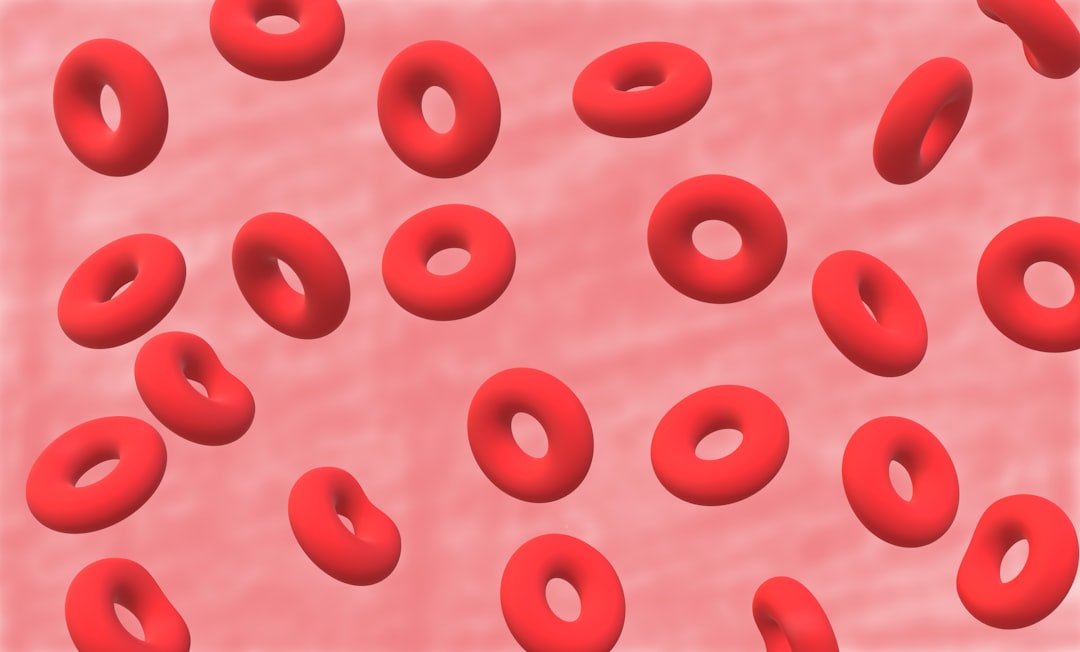
The story begins with a protein. Discovered in 1940 by Karl Landsteiner and Alexander Wiener, the Rh factor is a protein found on the surface of red blood cells, named after the Rhesus macaque monkey. Whether or not you carry this protein on your red blood cells determines whether you’re Rh-positive or Rh-negative, a distinction that seems simple but carries enormous medical weight.
The Rh blood group system consists of over 50 defined blood group antigens, of which the five antigens D, C, c, E, and e are among the most prominent. Most people think of the Rh factor as a simple positive or negative marker, but the underlying biology is considerably more layered. The D antigen is the most immunogenic of all the non-ABO antigens, and approximately 80% of individuals who are D-negative and exposed to a single D-positive unit will produce an anti-D antibody.
Who Is Rh-Negative, and How Common Is It Really?
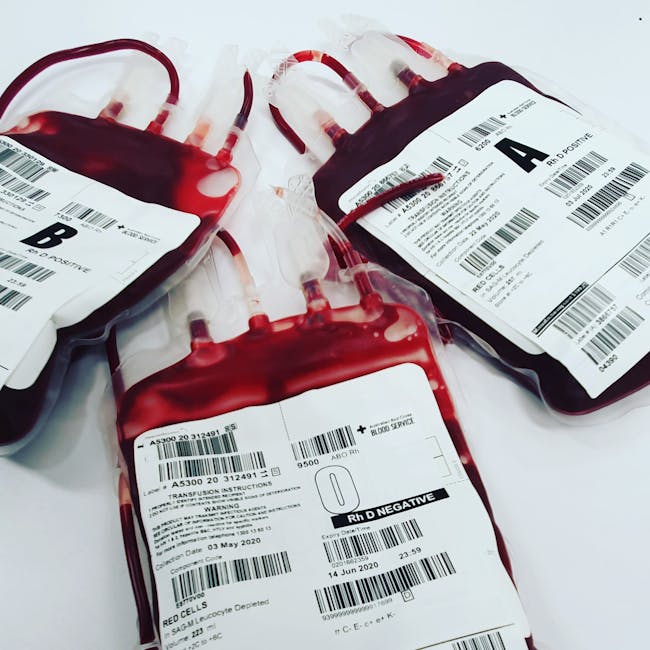
Approximately 85% of people have Rh-positive blood, meaning they carry the RhD antigen. Conversely, roughly 15% of the global population is classified as Rh-negative. Those numbers vary considerably by region and ethnicity, which is part of what makes the Rh-negative story so scientifically interesting.
According to a comprehensive study, the worldwide frequency of Rh-positive and Rh-negative blood types is approximately 94% and 6%, respectively, and the same study concluded that the share of the population with Rh-negative blood type is set to fall further in the future, primarily due to low population growth in Europe. That’s a notable trend, and one worth watching as population genetics continues to evolve.
The Basque Anomaly: The World’s Highest Concentration

Basques were found to have the highest incidence of Rh-negative blood of any people in the world, significantly higher than the rest of Europe, even significantly higher than neighboring regions of France and Spain. This is not a marginal difference. Analyses show that the highest frequency of the RHD deletion is found in the Basque population at 47.2%.
Basques show specific cultural, demographic, and genetic characteristics that have placed them as an isolated and unique population within Europe, including their non-Indo-European language, Euskara, and they have historically lived along the Western Pyrenees, between Spain and France, in one of the most important European glacial refugia during the Last Glacial Maximum. Their genetic isolation is well-documented. The most striking genetic characteristic is their highest frequency of the RhD blood group negative allele, and both demographic and adaptive processes have been suggested as possible causes of the high frequency of RhD-negative in Basques, but neither hypothesis has been clearly demonstrated. Scientists still don’t have a complete answer.
Where the “Extraterrestrial” Theory Comes From
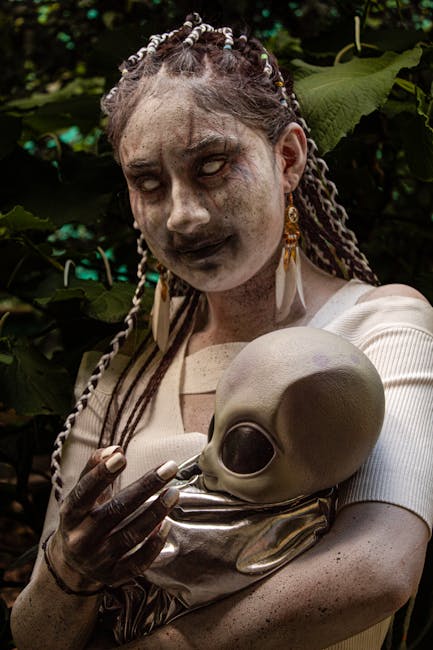
The immunological incompatibility between Rh-negative mothers and Rh-positive fetuses has led some to suggest that Rh-negative blood must be of a non-human origin. Theories range from supernatural ones such as being of divine descent to more pseudoscientific explanations such as interbreeding with extraterrestrials. These ideas, while not scientifically supported, have proven remarkably persistent in popular culture.
What is unusual about Rh-negative blood is that the gene for it is surprisingly common despite being potentially harmful. That paradox is genuinely puzzling from an evolutionary standpoint, and it’s precisely the kind of detail that fuels speculation. Over time, the uniqueness of Rh-negative blood has led to some outlandish theories, most notably the idea of alien origins, but these myths, often perpetuated online, lack any scientific basis and are soundly debunked by genetic evidence.
The Real Science: Ancient Mutations and Genetic Drift
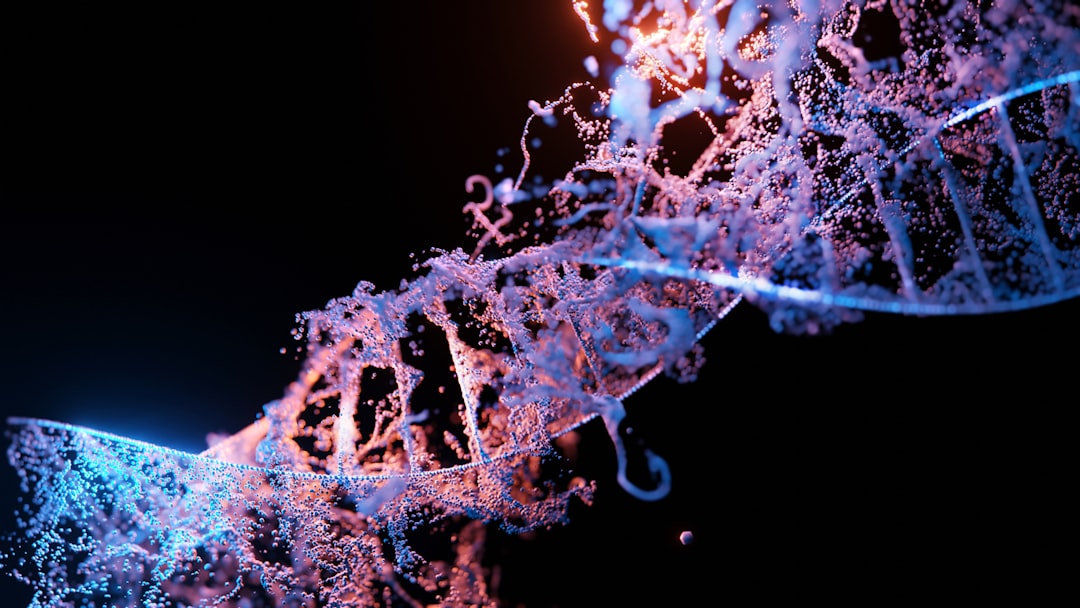
The origin of Rh-negative blood traces back to an ancient mutation involving the deletion of the RHD gene, and this recessive trait, prevalent in European populations, emerged hundreds of thousands of years ago, spreading through mechanisms like genetic drift and population isolation, not extraterrestrial intervention. The timeline alone challenges any exotic narrative.
For people of African descent, a different mechanism, typically an inactive copy of the gene, leads to the same Rh-negative phenotype, indicating that the trait originated independently in different human populations through different ancient mutations. That independent emergence in separate populations strongly points toward natural evolutionary processes rather than a single mysterious origin. The majority of scientists who have studied the blood type have concluded that it is most likely just a random mutation, and this explanation seems to be the one most consistent with available evidence and the one that is most able to withstand Occam’s Razor.
The Pregnancy Complication That Deepened the Mystery

If an Rh-negative woman carries an Rh-positive fetus, her body can produce antibodies that attack the fetus’s blood cells, a condition called hemolytic disease of the newborn. This biological conflict between mother and child has historically been one of the more dramatic arguments used to suggest that Rh-negative blood is somehow “foreign” to the human species.
The incidence of hemolytic disease of the newborn in Europeans was 1 in 20 births to RhD-negative mothers, with a mortality rate of around 20 to 40% before 1968, when Rho(D) immune globulin started to be used as a preventive treatment. That’s a sobering historical reality. Today, the situation is far more manageable. The vast majority of Rh disease is preventable in modern antenatal care by injections of IgG anti-D antibodies, also known as Rho(D) Immune Globulin.
Golden Blood: The Rarest of the Rare
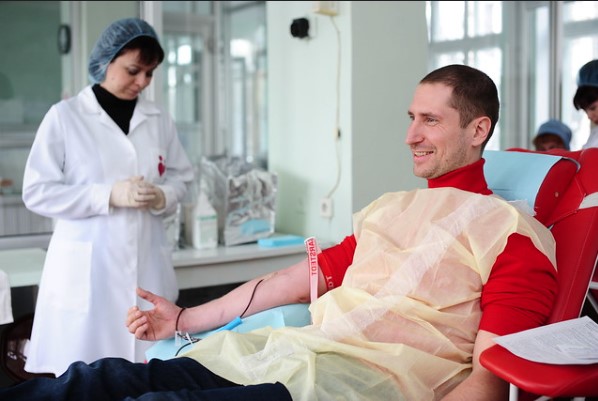
Beyond Rh-negative blood lies something even more extraordinary. Golden blood, or Rh-null blood, lacks any of the Rh antigens that are usually present in blood, and fewer than 50 people around the world are known to have it. The name reflects its almost incalculable value to transfusion medicine, not anything about its physical appearance.
First discovered in 1961 in an Indigenous Australian woman, Rhnull soon earned the nickname “golden blood” not because of its color but because of its immense value in transfusion medicine. The likelihood of being born with the Rh-null blood type is astonishingly low, just 1 in 6 million. What makes this type both remarkable and burdensome is a cruel paradox: Rh-null blood is sometimes called a universal donor for people with rare or multiple Rh antibodies, even more flexible than O-negative, but it is far harder to find, and it can be dangerous for people who live with golden blood to receive a blood transfusion from anyone who is not also Rh-null.
Blood Complexity Beyond What Most People Know
The familiar ABO and Rh systems are just the starting point. Currently, there are 47 other known blood groups and more than 600 antigens. Science keeps expanding that list. A new research study published in the journal Blood establishes a new blood group system called MAL, the 47th ever to be discovered, as home to the AnWj antigen.
Over the past ten years, researchers have developed methods to determine many blood types using DNA technology rather than relying only on red blood cells, and modern technology is particularly important for patients who have received large amounts of blood or those who need blood often, as their blood becomes a mixture consisting of several different donors. The science is advancing, and with each discovery, our picture of human blood grows more intricate. What once seemed inexplicable often turns out to be a window into the long, complex story of how human populations separated, adapted, and survived – written in the very cells that keep us alive.