


The Science Has a Name: Psychoneuroimmunology

Before getting into what suppressed anger does to the immune system, it’s worth understanding the field that studies it. The field of psychoneuroimmunology explores the intricate communication between the brain, nervous, endocrine, and immune systems, examining how these systems interact and influence each other, impacting both physical health and emotional well-being.
Psychoneuroimmunology aims to understand the mechanisms of bidirectional interactions between the immune system and the nervous system, with an emphasis on the influence of stress and psychosocial factors on immunity and, reciprocally, immune influences on brain structure and function.
This isn’t fringe science. It has been building for decades and is now showing up in cardiology labs, immunology journals, and clinical psychology research alike. The body does not treat emotions as invisible. It treats them as events.
What Anger Actually Does to the Body in the Short Term

Acute stress refers to immediate responses to perceived threats, activating the body’s “fight or flight” response. This activation is characterized by a rapid increase in stress hormones, particularly cortisol and adrenaline, which can be beneficial in the short term. Acute stress often leads to a temporary enhancement of immune function, known as the “stress-induced immune response,” preparing the body to respond effectively to immediate threats.
So in the short window, anger and the stress response it triggers are not your enemy. They’re ancient protective mechanisms doing exactly what they evolved to do.
Research demonstrates how fundamental emotional responses, including anger, are able to modulate cytokine production and cellular responses to a variety of immune stimuli. These modulations are shown to be either detrimental or beneficial depending on the context and duration of the emotion. Duration is the critical variable here.
The 48-Hour Window: When Short-Term Stress Becomes Chronic Damage
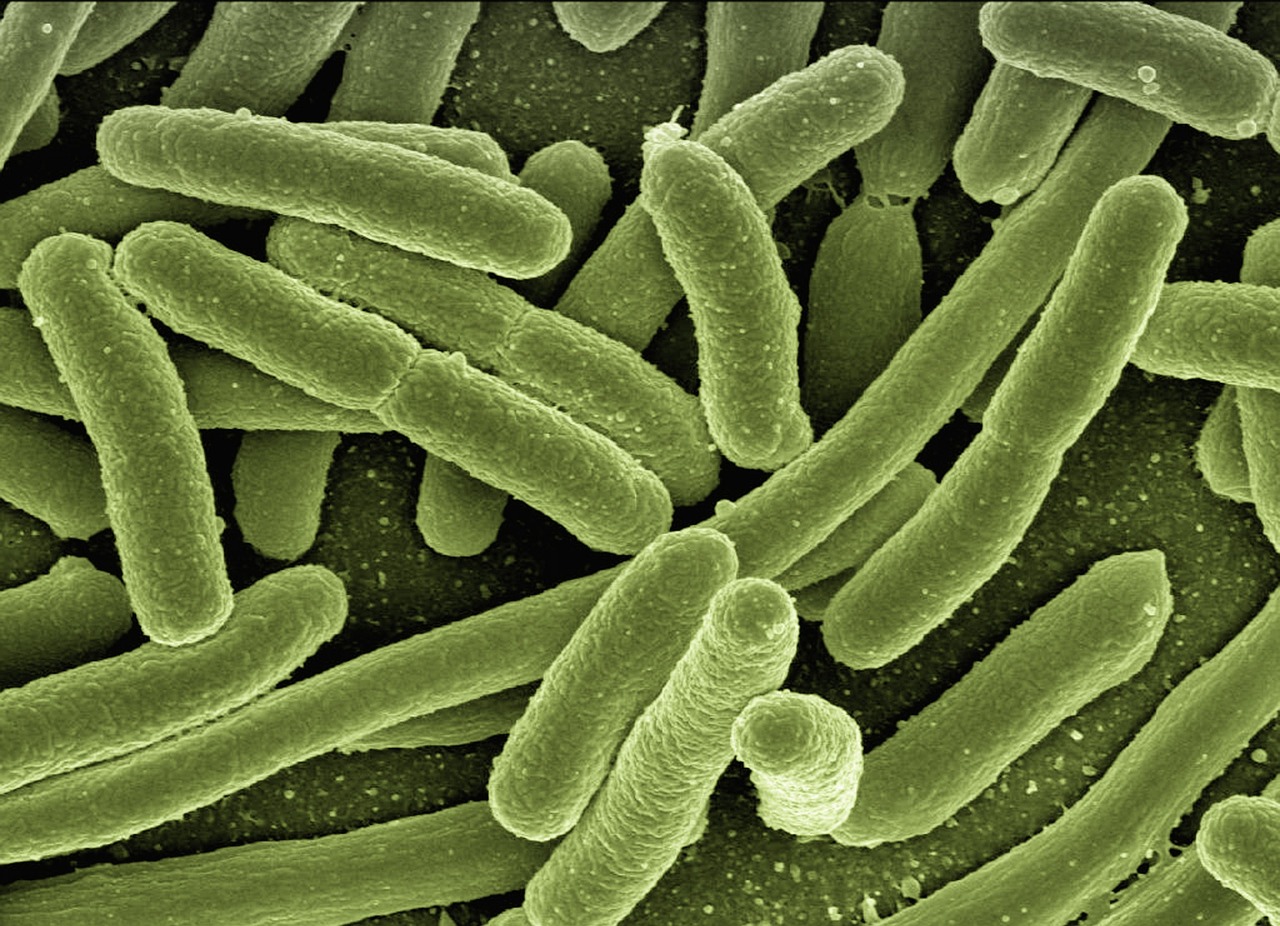
The most chronic stressors were associated with the most global immunosuppression, as they were associated with reliable decreases in almost all functional immune measures examined. Increasing stressor duration resulted in a shift from potentially adaptive changes to potentially detrimental changes, initially in cellular immunity and then in immune function more broadly.
Cortisol plays a key role in this process, with acute stress leading to brief elevations of cortisol that can enhance immune function, while chronic stress leads to dysregulation and immune suppression. In simple terms, the body has no clean mechanism for “storing” processed stress. When anger is suppressed rather than resolved, the system stays activated.
Examining the effects over a six-hour period, anger, in contrast to care, produced a significant inhibition of secretory IgA from one to five hours after the emotional experience. Secretory IgA is one of the body’s primary mucosal defenses against pathogens. Even a single prolonged episode of suppressed anger can measurably reduce it.
Cortisol’s Double-Edged Role
Research in psychoneuroimmunology confirms that emotional suppression triggers the hypothalamic-pituitary-adrenal axis, elevating cortisol levels. Although cortisol is protective in acute stress, chronic elevation reduces immune surveillance, disrupts immune signaling, and contributes to persistent inflammation. Over time, this undermines the body’s ability to defend against pathogens while increasing internal reactivity.
The prolonged elevation of cortisol levels during chronic stress can initially suppress inflammation. However, glucocorticoid resistance often develops, leading to the increased production of pro-inflammatory cytokines such as IL-6.
Over time, the responsiveness of immune cells to cortisol diminishes, leading to a decrease in the expression of cortisol receptors. This decline results in reduced anti-inflammatory effects of cortisol, thereby fostering a state of chronic inflammation. The body essentially becomes resistant to its own stress-managing hormone.
The Cytokine Cascade: How Resentment Inflames the Body

Anger associated with a hostile marital interaction has been shown to increase the production of the inflammatory cytokine interleukin-6 (IL-6) and circulating levels of C-reactive protein. These aren’t minor fluctuations. They are measurable inflammatory biomarkers associated with serious long-term conditions.
Suppression increases production of proinflammatory cytokines, including interleukin-6 and tumor necrosis factor alpha. These inflammatory messengers are consistently elevated in individuals who chronically suppress emotions, particularly anger and fear. This state of persistent inflammation places strain on immune cells, damages tissues, and increases the likelihood of autoimmune activation.
Scientists note that if they collected blood samples from participants soon after they had experienced a negative emotion such as sadness or anger, inflammation biomarkers were all the more present in the blood. The body registers every unresolved episode.
Natural Killer Cells and the Weakening of Your First Line of Defense
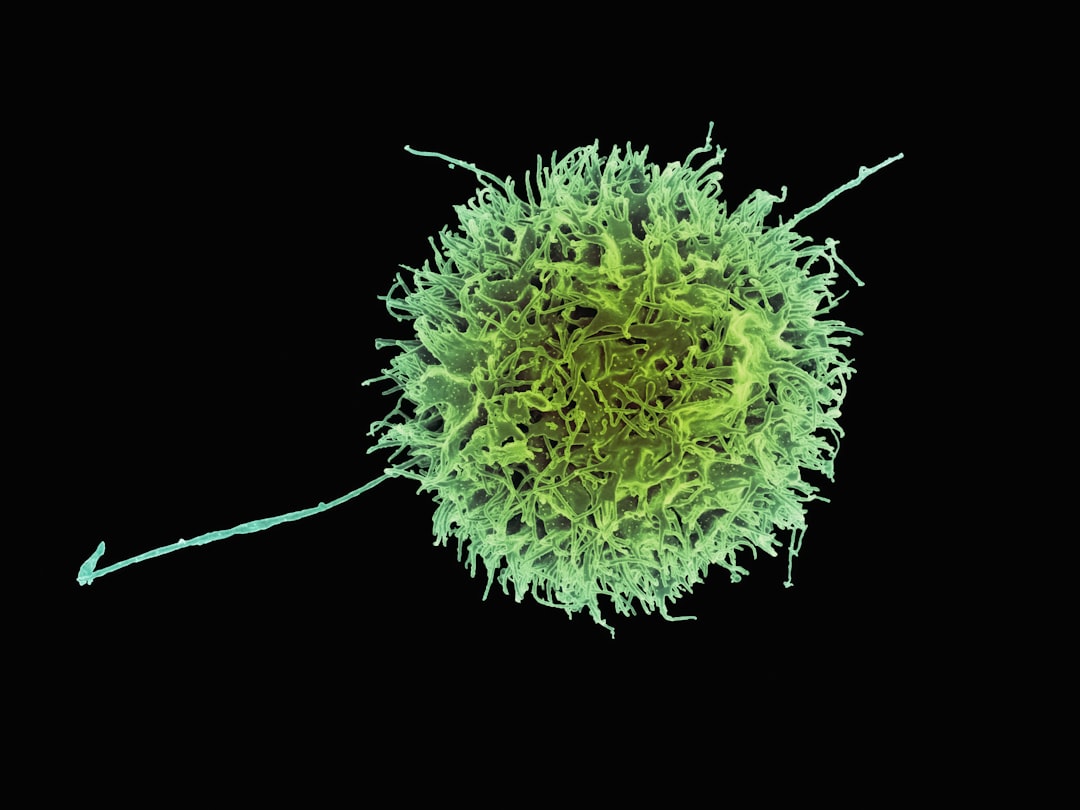
Suppression weakens protective immunity by reducing natural killer cell activity and impairing T cell response. This combination of heightened inflammation alongside diminished immune defense creates a dysfunctional immune state in which the body remains inflamed while simultaneously less protected. This immune signature is seen frequently in individuals with autoimmune disease, chronic fatigue, fibromyalgia, and inflammatory digestive disorders.
With chronic stress exposure, protective functions are suppressed, as adrenaline and noradrenaline reduce NK-cell activity, increasing the susceptibility to viral infections and diminishing the body’s ability to eliminate atypical and malignant cells.
Natural killer cells are not just a line of defense against infections. They also patrol for early abnormal cell growth. Their suppression carries implications well beyond catching a cold.
The Autoimmune Connection: When the Body Turns Against Itself
Research shows that emotional repression can lead to prolonged activation of the hypothalamic-pituitary-adrenal axis, which can result in immune system dysfunction and worsen conditions like rheumatoid arthritis, lupus, and multiple sclerosis.
Research suggests that chronic stress and emotional suppression may contribute to the onset and progression of autoimmune diseases. The prolonged fight-or-flight response, triggered by unexpressed anger, can dysregulate the immune system and lead to self-destructive patterns within the body.
According to the American Autoimmune Related Diseases Association, approximately 80% of the 50 million Americans living with autoimmune diseases are women. That means around 40 million women in the US alone are affected by autoimmune disorders. Research increasingly points to the role of emotional suppression, and social conditioning around anger, as a contributing factor in this disparity.
Anger, the Heart, and Vascular Function

Participants in an anger group had significant impairment to blood vessel dilation compared to the neutral group. This impairment continued for up to 40 minutes after the anger task had ended. This 2024 study, published in the Journal of the American Heart Association and funded by the NIH, was conducted on 280 healthy adults with no prior cardiovascular risk factors.
The researchers propose that repeated episodes of negative emotions like anger might have a cumulative effect on cardiovascular health. When suppression prevents anger from being processed, those “repeated episodes” become a constant background state.
In 2022, researchers from the University of Pittsburgh found that women of color who suppress their anger are 70% more likely to develop carotid atherosclerosis, which is linked to a higher risk of heart attacks. That is a statistic that should stop people mid-sentence.
Suppression, Rumination, and the Behavioral Trap

Results from a 2025 meta-analysis indicated consistent positive associations between anger and avoidance, rumination, and suppression, and consistent negative associations between anger and acceptance and reappraisal. Put differently, the coping strategies that most people default to, avoiding the feeling or pushing it away, are the ones most strongly linked to worsening anger outcomes.
Expressive suppression involves inhibiting the expression of emotion and was found in early experimental work to increase cardiovascular activity, including heart rate and systolic blood pressure. Coined as “anger-in,” anger suppression has been associated with a host of emotional and physiological characteristics.
Persistent cortisol release can lead to a consistently suppressed immune system, which can make individuals more prone to infections and illnesses. The loop between suppression, rumination, cortisol elevation, and immune suppression is self-reinforcing once it gets going.
What Actually Helps: Processing Over Suppressing

This view aligns with psychoneuroimmunology research showing that how we relate to emotions, especially through suppression, affects physiology. Meta-analytic evidence indicates stress and emotion regulation patterns can dampen aspects of immune function, which helps explain why “pushing down” feelings may carry somatic costs.
In recent years, there has been a growing interest in mind-body interventions for chronic illness. Practices such as yoga, meditation, breathwork, and expressive writing are no longer seen as optional extras but as vital tools for healing. Research has shown that mindfulness meditation, for example, can reduce markers of inflammation in the body.
While research in this field is still evolving, it’s clear that how we regulate our emotions can impact our immune health and overall physical well-being. Healthy processing doesn’t mean venting aggressively or picking fights. It means acknowledging the anger, giving it a name, and finding a constructive outlet rather than simply bottling it indefinitely.
Conclusion: Letting It Burn Is Not Strength

There’s a long-standing cultural myth that swallowing anger is a form of discipline or maturity. The biology tells a different story. The evidence is clear: positive emotions can boost immunity, while negative emotions can suppress it. Anxious thoughts can diminish your immune response within just 30 minutes, and persistent stress can damage your body’s natural defense system, making you more susceptible to illness.
Chronic resentment isn’t just an emotional burden. It’s a physiological one. The immune cells don’t know that you were trying to be polite. They only register that the stress signal never got the all-clear.
The body keeps a tab on everything that doesn’t get resolved. Acknowledging anger, processing it honestly, and releasing it when possible isn’t soft or self-indulgent. Increasingly, it looks like one of the most practical things a person can do for their long-term health.