


1. Solid-Core Doors With Reinforced Deadbolts
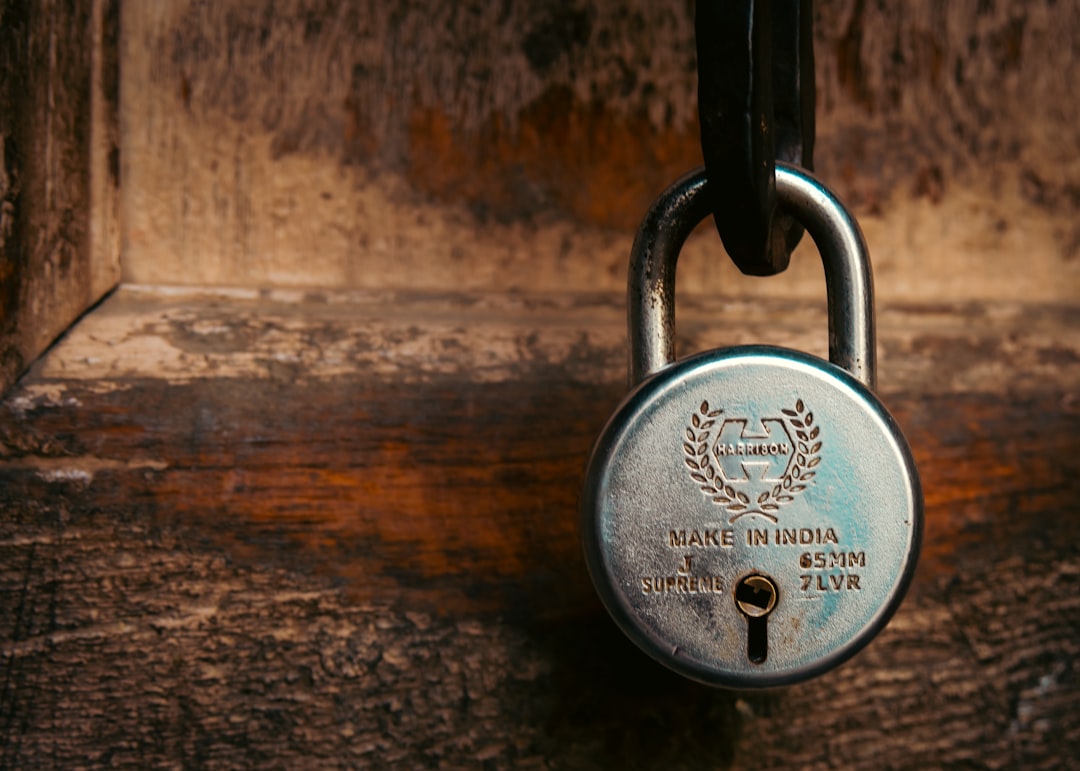
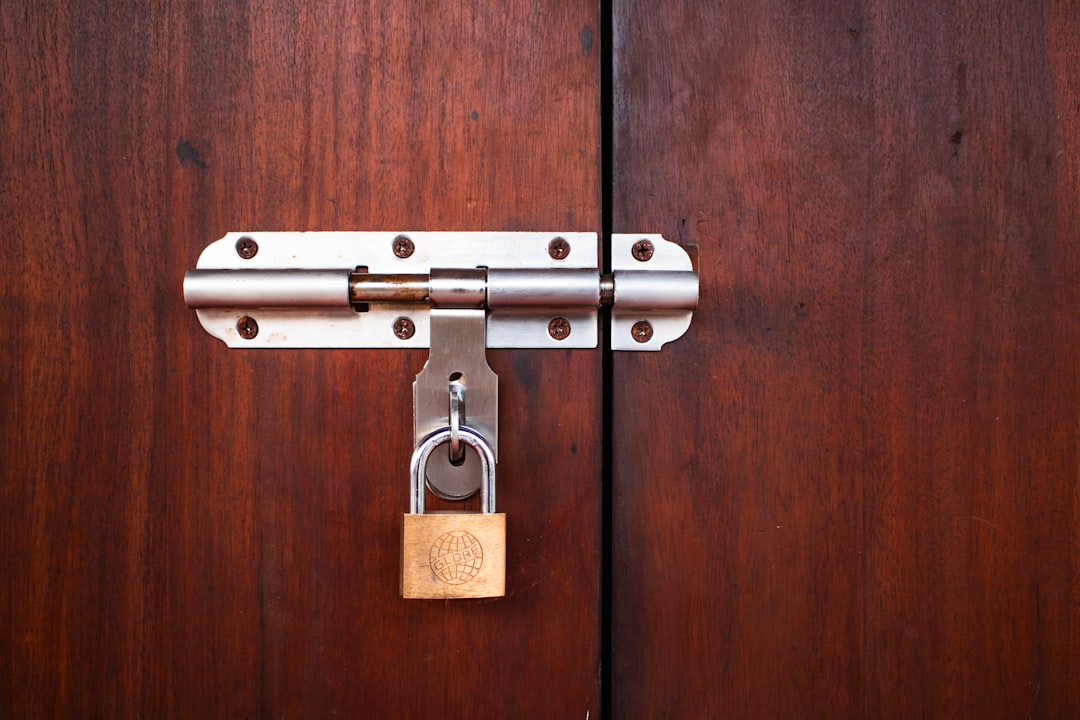
According to FBI data, roughly a third of all burglars enter through the front door – more than any other entry point. That makes the door itself the single most important physical barrier in your home’s security chain. Hollow-core doors are the biggest security risk, with a cardboard honeycomb interior covered by thin veneer that is meant for interior use only.
Research from the Chula Vista Residential Burglary Reduction Project, which studied over 1,000 incidents, found that in 87% of break-ins where intruders defeated locked doors with tools such as screwdrivers or crowbars, the burglars targeted the door that had no deadbolt lock. The lesson is almost embarrassingly simple. Statistics confirm that roughly three in five burglaries occur through front or back doors, underscoring the necessity of a solid barrier – and unlike electronic systems, deadbolts require no electricity to function.
Most kicked-in doors fail at the frame, not the lock itself. Replacing the standard strike plate with a heavy-duty security strike plate using 3-inch screws anchored into the wall stud can dramatically increase kick resistance. A solid-core steel door, a Grade 1 deadbolt, and a reinforced frame is a combination that costs well under $300 and requires no monthly fee to maintain.
2. Motion-Activated Lighting

Well-lit areas are a nightmare for burglars, as it is much easier to spot them. That’s not a new insight, but it’s one that holds up under scrutiny. Studies show that improved outdoor lighting can reduce criminal activity, and while the research mostly revolves around street lighting for city safety, it can apply directly to your home too.
Burglars thrive in darkness, but motion-activated lights take that advantage away. When an unexpected bright light turns on, it startles intruders, making them feel exposed and vulnerable – often enough to make them flee. The key distinction here is motion-activated versus static lighting. You might think that leaving lights on when you’re not home will trick burglars into thinking your home is occupied, but a static pattern of lights – either always on or always off – is a tip-off to burglars that no one is home controlling their pattern.
The best way to use lighting as a burglary deterrent is to make it seem like someone is home. Use indoor lights to mimic real behavior and suggest occupancy by setting them to turn on and off at normal, irregular intervals. Motion-sensor floodlights near entry points and pathways can be installed for well under $50 per unit and require nothing more than a standard electrical socket to operate.
3. Thorny Hedges and Defensive Landscaping

A thorny climbing plant makes it difficult for would-be intruders to scale a fence, and a spiky hedge can serve as a decorative natural barrier. Mischief-makers will also be put off by the prospect of leaving valuable clues and DNA behind. This is one of the oldest security tools available, and it works on multiple levels simultaneously. Spiny shrubs and trees have been used for many hundreds of years to create defensive barriers.
Thorny climbing plants make it difficult to scale a fence, while spiky hedges function as decorative natural barriers. These natural deterrents discourage intruders, as they risk leaving behind evidence like torn clothing or cut skin. Placement matters enormously. Planting thorny shrubs or bushes near ground-floor windows and entry points in the front yard deters unauthorized access at the most common entry points.
Trimming all bushes and hedges to three feet or shorter increases visibility, since anything taller creates a hiding place for criminals. This is an important balance: when choosing landscaping, thorny species prove effective to ward off intruders, but placement should never compromise the natural line of sight from the street. Plants like Pyracantha, Berberis, hawthorn, and barberry all offer dense, visually attractive hedges that double as serious deterrents.
4. Gravel Paths Around the Perimeter

It sounds almost too simple to be real. Loose gravel placed under windows and along the sides of a property creates an audible alarm system that requires no batteries, no wiring, and no internet connection. Covering the ground near windows with gravel means that the loud crunch of footsteps is enough of a deterrent for a burglar to search for another target.
The logic here is straightforward. Burglars rely heavily on silence and speed. Most indicated a preference for working quickly and quietly and leaving before anyone even knew they were there. Gravel paths disrupt that preference entirely. Every step toward a window or side door becomes an announcement. A startled homeowner, an alerted dog, or simply a lit-up bedroom window can be enough to cause an opportunist to abandon the attempt entirely.
Gravel is inexpensive, low-maintenance, and works in all weather conditions. When combined with thorny landscaping along the same perimeter, the combination of noise and physical discomfort creates a powerful passive deterrent that costs almost nothing to maintain year over year.
5. Perimeter Fencing With Clear Sightlines
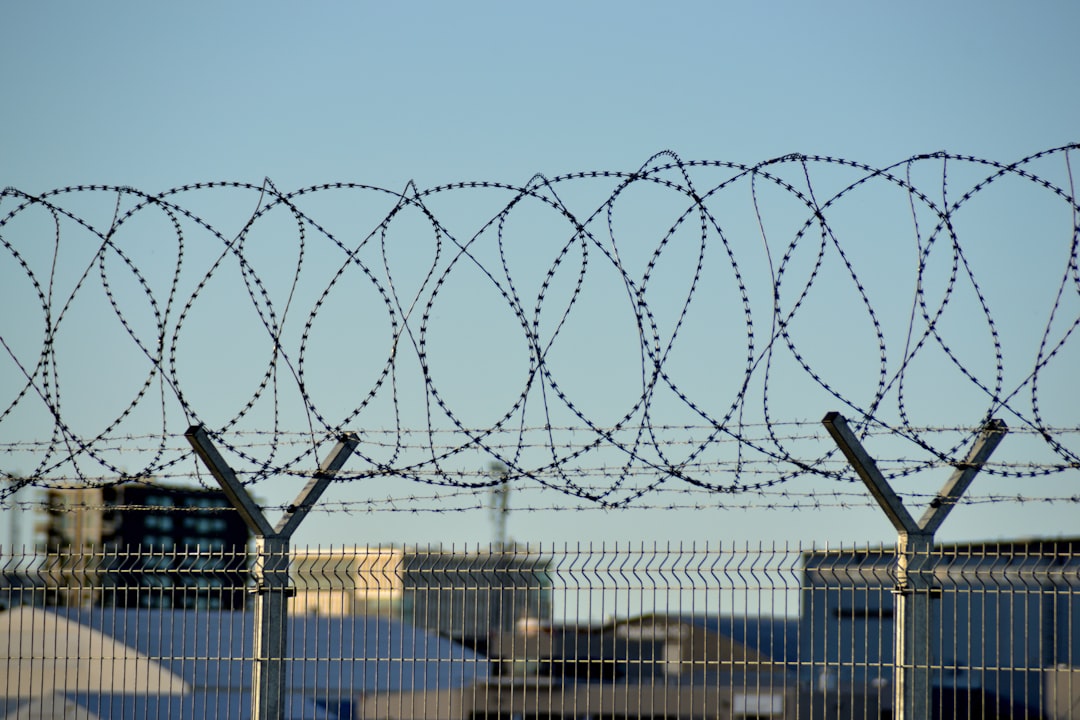
Research by the National Crime Prevention Council found that properties equipped with fences were roughly 30% less likely to experience burglary compared to those without one. The deterrent effect isn’t just physical – it’s psychological. A fence signals that someone actively cares for and controls the property. A trespasser crossing it is knowingly entering someone else’s domain, and most criminals want to avoid drawing attention to themselves.
The type of fence matters, though. Instead of making their property safer, solid fences can actually make it more inviting to a burglar. Burglars like homes that have barriers that make it difficult for neighbors or people passing by to see them. An open, see-through fence – wrought iron or spiked timber – combined with thorny interior planting is far more effective than a privacy fence that blocks the street view entirely.
Architect Oscar Newman coined the concept of “defensible space,” which highlights how clearly defined spaces foster natural surveillance and a sense of control. A fence establishes that clear division, making it easier for neighbors and homeowners to notice unusual activity. This principle, known formally as Crime Prevention Through Environmental Design (CPTED), is recognized by law enforcement agencies and criminologists as one of the most consistent evidence-based approaches to reducing residential crime.
Why Burglars Avoid Effort More Than Technology
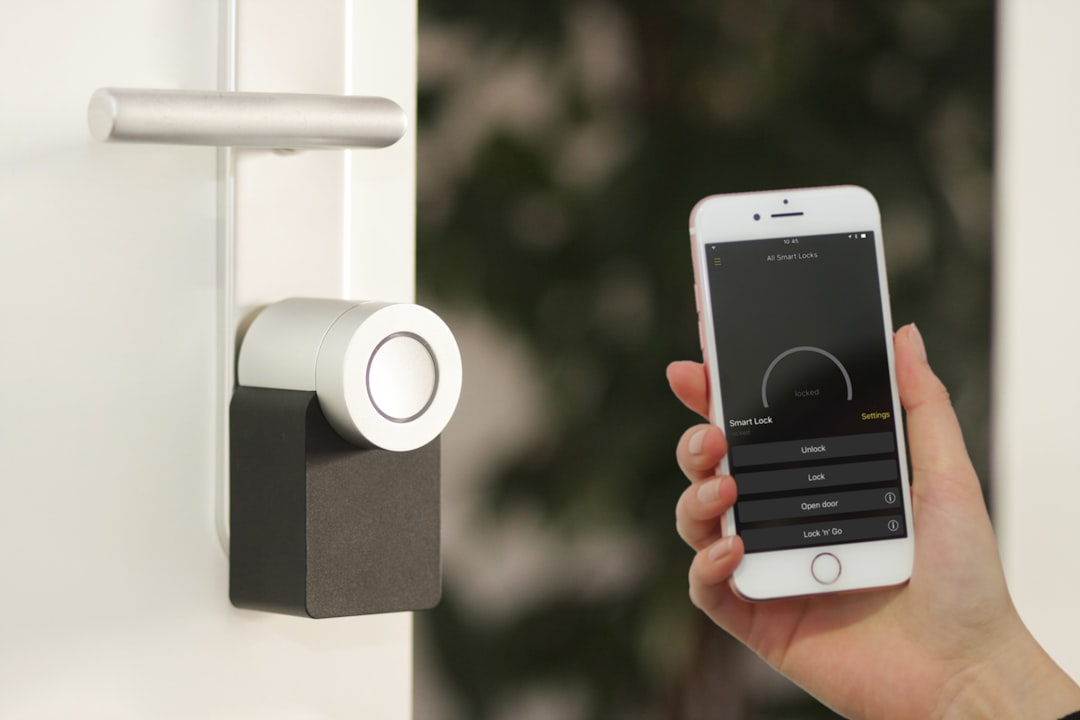
The average burglary takes only minutes, some taking as little as 90 seconds. That timeline reveals something important about how most burglars think. They aren’t executing elaborate plans. They are scanning for the path of least resistance. While burglary rates have dropped considerably since the 1990s, most break-ins still occur between 10 a.m. and 3 p.m., especially in summer.
Burglars look for easy targets. According to a study by the University of North Carolina at Charlotte, the vast majority of convicted burglars said they checked for security measures before choosing a house, and most admitted they’d skip homes with visible systems. The visible part of that finding is where low-tech defenses have a real advantage. A reinforced door, gravel underfoot, a thorny hedge, and a motion light all communicate the same thing instantly: this house will take time and cause noise.
The good news is that most criminals seek easy targets, and effective deterrents can significantly reduce your property’s appeal. You don’t need to eliminate the possibility of a break-in entirely. You just need to make your home consistently less appealing than the one next door.
The Problem With Alarm Systems Nobody Talks About
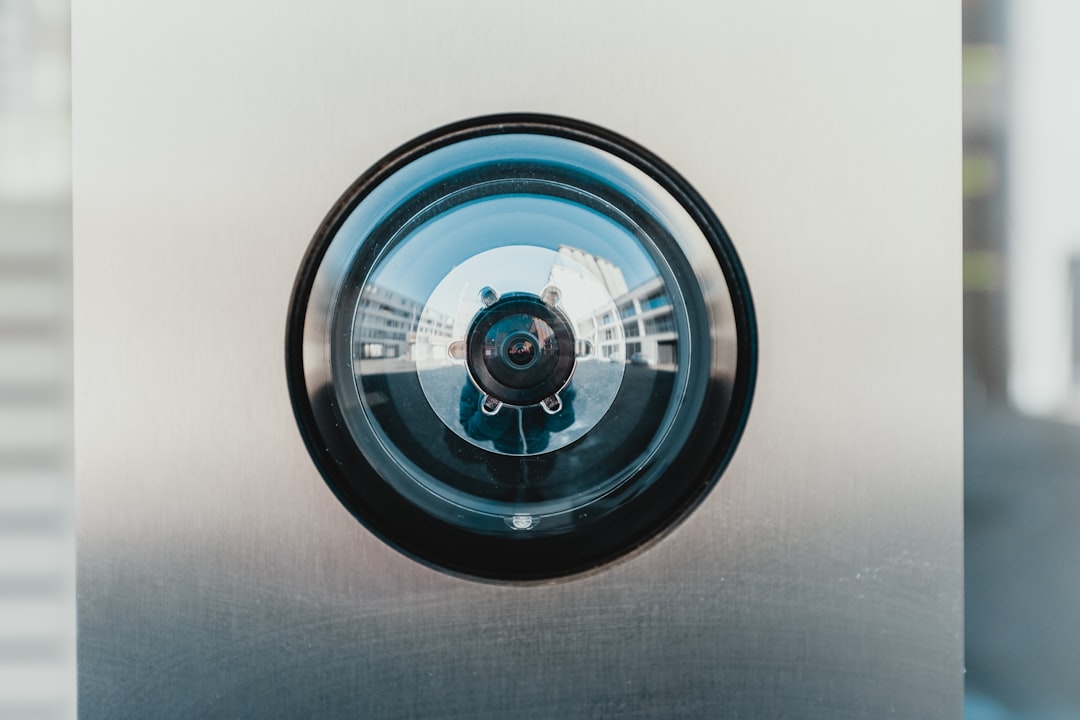
Alarm systems do work. Most burglars attempt to determine if an alarm is present before attempting a burglary, and roughly three in five say they would seek an alternative target if they determine an alarm is on site. However, the gap between triggering an alarm and getting meaningful help has become harder to ignore. Many cities have tightened response policies, pushing homeowners and providers toward verified events rather than responding to unverified alarms.
Most burglars spend less than 10 minutes inside, grabbing easy-to-steal items like electronics and cash. In many cases, a break-in is completed long before any response arrives. Some surveys have found that privacy and data breaches are top concerns among those introducing new security products into the home. Both factors together – slow response and growing privacy unease – make the case for physical, passive deterrence stronger than it might appear at first glance.
The “Occupied Home” Illusion

Data regarding average burglaries suggests that the most important element for burglary prevention is a presence within the home. Burglars prefer to break in when the house is empty, and cars in the driveway and residents answering doors is enough to ward off some seasoned invaders. This gives homeowners a genuinely cheap option that costs nothing: the appearance of occupancy.
Setting lights to turn on and off in different rooms gives the appearance that someone is moving around the home. Timers on radios, televisions, and indoor lights can simulate a lived-in environment convincingly. Burglar deterrent audio files, recorded home occupancy sounds played when a homeowner is away, are a recognized low-tech method to mimic home occupancy activities. These techniques require no ongoing cost and can be implemented in an afternoon.
Dogs as a Passive Deterrent

Many burglars avoid homes with dogs because they add unpredictability, noise, and potential danger. Even if a dog isn’t trained for protection, its presence alone can deter intruders. Barking attracts attention, something burglars desperately avoid, and unlike security systems, dogs move freely and react instinctively. This makes a dog genuinely unpredictable in ways that a fixed alarm system simply isn’t.
The deterrent value isn’t limited to large or aggressive breeds. Any dog that barks consistently when someone approaches the perimeter serves the same core function: creating noise and alerting the household. Putting up signs saying “Beware of Dog” when you don’t have a dog can be enough to put off opportunist burglars, though a watching burglar will quickly find out whether or not you have a dog. The real thing, clearly, is more persuasive.
Layering Defenses: The Method That Actually Works

Professional security consultants use a layers of defense model. The idea is that each obstacle added increases the time and noise required for a break-in. A burglar who encounters a security screen door, a deadbolt, a security bar, and a camera-and-alarm combination is very likely to give up and move on. Low-tech defenses are most powerful when they’re stacked together rather than deployed in isolation.
Effective security involves layering multiple defenses, combining physical security, smart technology, strategic design, and proactive habits. A solid-core door with a reinforced deadbolt, motion-activated lighting, a perimeter fence with clear sightlines, gravel under the windows, and thorny landscaping together create something no single alarm can replicate: a home that communicates difficulty at every angle, before anyone even tries the door.
Homes without security systems are far more likely to be targeted than those with visible protective measures. The distinction between “security system” and “visible deterrent” matters here. The research consistently points to visibility as the key variable – and physical, low-tech defenses are visible by definition, every single day, whether the power is on or not.
Conclusion: The Quiet Power of Passive Defense
There’s nothing glamorous about a deadbolt, a gravel path, or a thorny hedge. They don’t send push notifications. They don’t offer cloud storage or facial recognition. What they do offer is something more fundamental: friction. Every upgrade sends a message – this home has attention, care, and active deterrents. Criminals seek the easy path, and when none exists, they move along.
The five defenses outlined here are not presented as replacements for every form of modern security. A monitored system still adds value, particularly when physical defenses are already in place. The point is that the physical layer, the deadbolt, the light, the fence, the gravel, and the thorns – too often gets treated as a footnote when it should arguably come first.
The most resilient security strategy doesn’t depend on a battery staying charged or a server staying online. It depends on a burglar standing at your perimeter and deciding within seconds that your home isn’t worth the trouble. That decision happens long before any alarm has time to sound.