

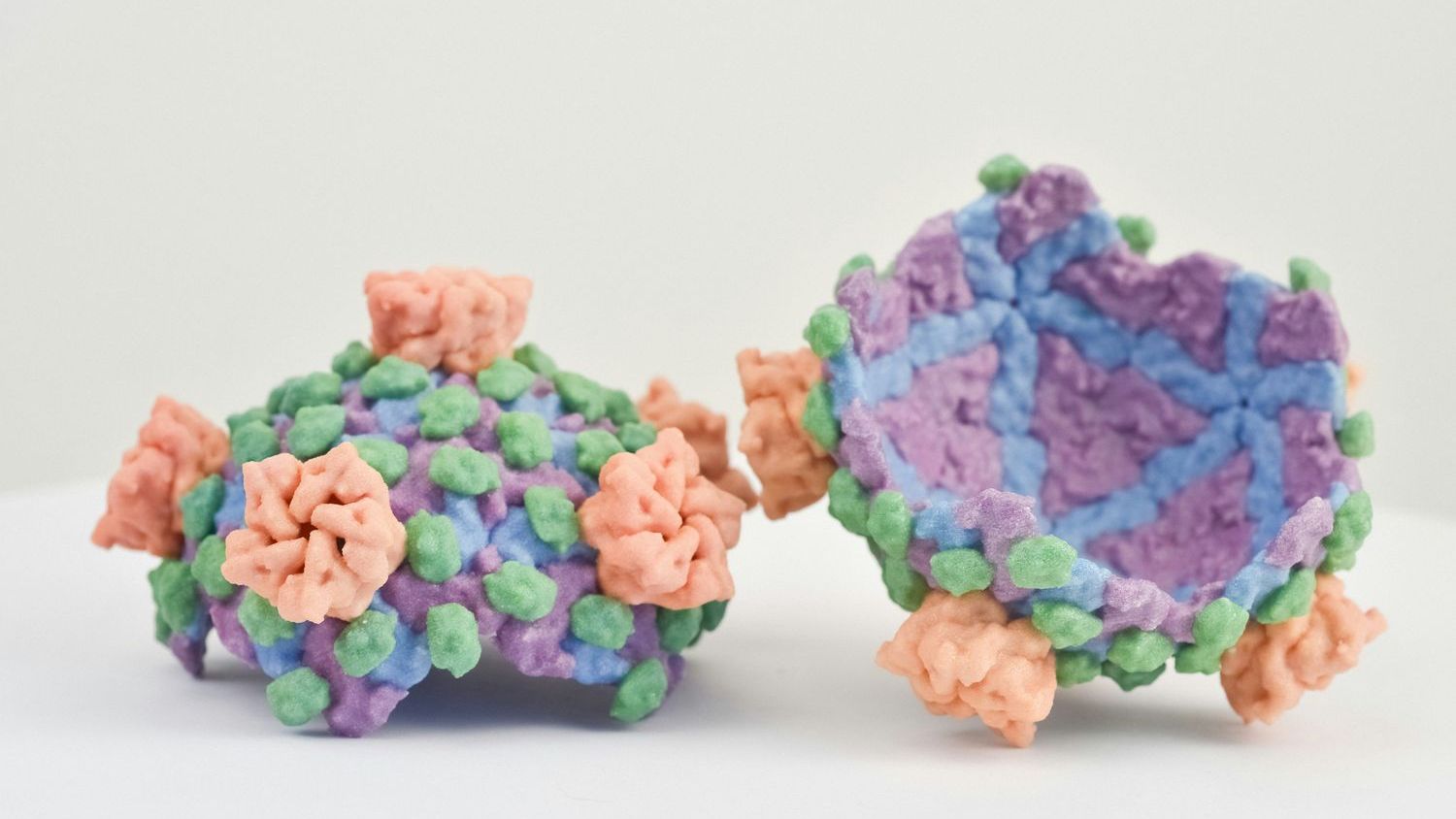
Hidden plant molecules show up to 25 times stronger activity against Ebola and COVID-19 – Image for illustrative purposes only (Image credits: Unsplash)
Montreal — Researchers at the Montreal Clinical Research Institute (IRCM), affiliated with the Université de Montréal, have pinpointed a novel family of plant-derived molecules exhibiting antiviral potency up to 25 times greater than previously known compounds. These natural agents target both the Ebola virus and SARS-CoV-2, the pathogen behind COVID-19. The breakthrough arrives amid growing concerns over emerging infectious threats, underscoring the value of exploring nature’s arsenal for defenses against viral outbreaks.
A Surprising Leap in Natural Defenses
At the heart of this discovery lies a class of molecules sourced from plants, long overlooked in antiviral research. Laboratory tests revealed their exceptional activity, surpassing standard benchmarks by a factor of 25 in some cases. This marked enhancement positions them as promising candidates in the fight against highly lethal viruses.
The IRCM team focused on natural products, drawing from plants that have historically served as sources for medicines. Their methodical screening process uncovered these hidden gems, which demonstrated robust inhibition of viral replication. While the exact mechanisms require further study, early results suggest broad applicability.
Targeting Ebola and SARS-CoV-2 with Precision
Ebola, known for its high fatality rates in outbreaks across Africa, poses a persistent global risk. The identified plant molecules disrupted the virus’s life cycle more effectively than conventional antivirals tested in parallel. Similarly, against SARS-CoV-2, they showed superior performance, potentially offering tools for managing respiratory pandemics.
This dual efficacy stands out in a field where viruses often evolve resistance to synthetic drugs. Plant molecules, with their complex structures, may evade such adaptations more readily. Researchers emphasized that these findings stem from in vitro experiments, highlighting the need for animal and human trials to confirm real-world potential.
| Virus | Key Challenge | Plant Molecule Advantage |
|---|---|---|
| Ebola | Rapid outbreaks, high mortality | Up to 25x stronger inhibition |
| SARS-CoV-2 | Global spread, variants | Enhanced antiviral activity |
Why Plants Remain a Goldmine for Antivirals
Nature has supplied humanity with remedies for millennia, from aspirin derived from willow bark to cancer drugs from Pacific yew trees. The IRCM’s work revives this tradition, tapping into biodiversity for molecules untouched by industrial chemistry. Such compounds often exhibit multifaceted effects, attacking viruses at multiple stages.
Current antiviral stockpiles fall short against novel pathogens, as seen in recent health crises. Plant-based alternatives could fill this gap, offering scalable production through cultivation. However, challenges like standardization and toxicity profiling persist, demanding rigorous validation.
Navigating the Road to Practical Use
Though promising, these molecules mark an early stage in development. The IRCM continues optimization efforts, aiming to refine potency while ensuring safety. Collaboration with pharmaceutical partners may accelerate progression to clinical testing.
Global health experts view such discoveries as vital insurance against future pandemics. With climate change and urbanization fueling zoonotic spills, natural antivirals provide a diverse, resilient strategy. This IRCM advance signals renewed hope in plant power, reminding the world that effective solutions often hide in plain sight.