

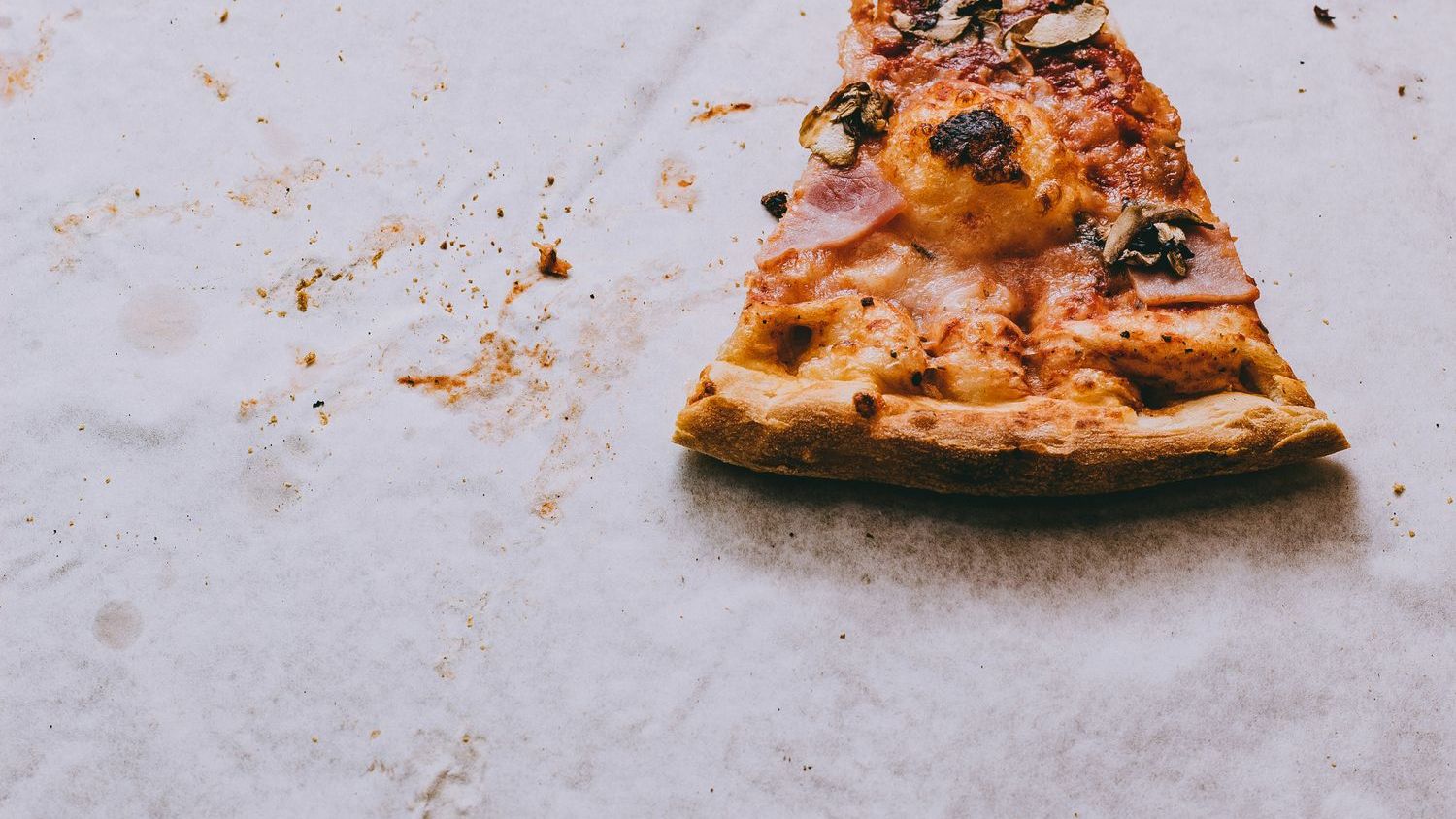
Psychology says people who refuse to take the last piece of food on the plate aren’t polite, they grew up watching adults perform small acts of self-denial as a way of measuring who deserved what – Image for illustrative purposes only (Image credits: Unsplash)
At family dinners across countless homes, a familiar scene unfolds: the plate holds one final roll or slice of bread, yet no one reaches for it. Adults exchange glances, offering it around with polite insistence, while children nearby absorb the unspoken rules. This ritual, often praised as courtesy, traces back to deeper patterns observed in childhood, where self-denial served as a quiet measure of status and worth.
A Ritual Born from Observation
Children learn the hesitation over the last piece not through lectures on manners, but by watching adults navigate shared plates. In many households, mothers deferred first, signaling their role through restraint, while fathers or guests sometimes claimed it without pause. Grandparents received offers as a form of respect, embedding lessons in hierarchy from an early age.
These moments installed a script of restraint. Young observers cataloged who took freely and who performed refusal, internalizing that visible desire carried social weight. No one explained the calorie counts or protocols; the behavior transmitted through repetition, shaping responses that persisted into adulthood.
Self-Denial as a Signal of Deservingness
The act extends beyond the meal itself, functioning as a currency for assessing who merits satisfaction. In homes touched by scarcity – real or carried forward from prior generations – adults demonstrated position through denial. Caretakers pushed portions toward earners, while children noted the divide, learning to temper their own wants.
Even in abundant settings, unresolved scarcity mindsets perpetuated the pattern. A parent raised dividing limited resources continued the performance, training offspring in the same negotiation. What appeared as generosity masked a ranking system, where refusal affirmed one’s place without words.
Generosity flows from plenty, yet this ritual often reflected caution. Families repeated it across thousands of meals, etching the hesitation as muscle memory by adolescence. Adults later rationalized it as fullness or consideration, overlooking the embedded calculation of worth.
Neural Roots and Behavioral Echoes
Research illuminates the biological foundation of such deference. A 2025 University of Wyoming study identified neural circuits in mice governing hierarchy-driven restraint, hinting at ancient mechanisms influencing human social cues. Though species differ, the findings underscore how perceived rank shapes actions like passing on the last piece.
Behavioral neuroscience suggests adults perform similar computations at the table: evaluating company, status, and the cost of claiming need. Those raised where appetite invited judgment internalized invisibility, presenting restraint as poise. The brain weighs social standing against desire, often favoring the former.
Distinguishing Habit from True Courtesy
Polite refusal feels effortless – declined without lingering thought. Programmed denial carries tension: a subtle clench, delayed hunger, or unexplained irritation resurfacing later. The body registers self-erasure, even if the mind frames it as virtue.
This texture appears in related patterns, like discomfort accepting aid without reciprocation. Recognition dawns at potlucks or shared appetizers, where the plate’s end revives childhood vigilance. Context reveals selectivity: ease with friends contrasts wariness around authority figures.
- Hesitation strengthens under observation.
- Rationalizations follow the instinct.
- Physical unease signals the script’s pull.
Breaking the Automatic Response
Awareness disrupts the autopilot. Individuals notice contextual triggers, linking current pauses to past models – the refuser or the taker. Change need not mean seizing every remnant; it allows conscious choice amid genuine satiety or kindness.
The dinner plate remains a mirror to early operating systems. Many continue the dance unchanged, yet questioning unveils layers beyond food or etiquette. In naming the pattern, adults reclaim agency over a gesture etched through years of silent meals.