

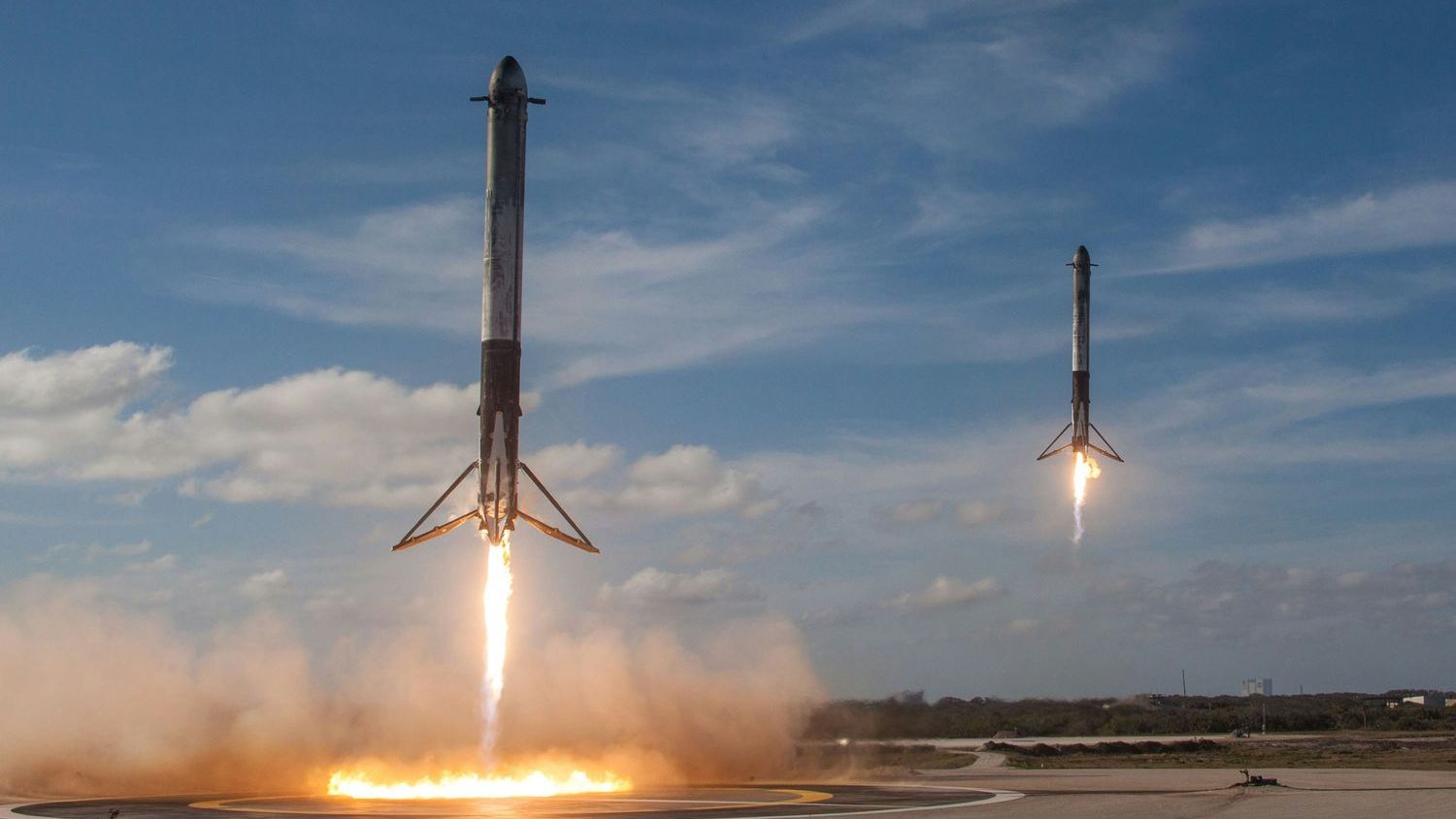
SpaceX launching 45 satellites to orbit early May 3: Watch it live – Image for illustrative purposes only (Image credits: Unsplash)
Vandenberg Space Force Base, California — A Falcon 9 rocket stood ready at Space Launch Complex 4 East, poised to carry 45 satellites into low Earth orbit early Sunday morning. The CAS500-2 mission represents SpaceX’s latest rideshare effort, blending a primary Earth-observation satellite from South Korea with dozens of smaller payloads from around the world.[1][2] This launch marks the company’s 54th of 2026, underscoring its relentless pace in the commercial space sector.[1]
A Veteran Booster Takes the Stage
The Falcon 9’s first stage booster, designated B1071, prepared for its 33rd flight, a testament to SpaceX’s reusability achievements. This booster previously supported missions like NROL-87, NROL-85, SARah-1, SWOT, and numerous Starlink deployments, along with rideshares such as Transporter-8 through Transporter-15.[1] Just weeks earlier, it flew on April 26, demonstrating the rapid turnaround times that define modern rocketry.
After liftoff, B1071 aimed to return to Landing Zone 4 at Vandenberg roughly 7.5 minutes later. Such precision landings have become routine, yet each one pushes the boundaries of what’s possible with reusable hardware. SpaceX tied its reuse record in late March during a Starlink mission, and this flight positions B1071 to match that mark.[1]
The Core Payload: South Korea’s CAS500-2
Leading the cargo is CAS500-2, an Earth-observation satellite built by the Korea Aerospace Research Institute under the Compact Advanced Satellite 500 program. Designed for low Earth orbit, it will monitor disasters and agricultural crops, providing critical data in sun-synchronous orbit.[1][3] The satellite deploys about 60 minutes after launch, kicking off a sequence that extends up to 2.5 hours post-liftoff.[2]
This marks the third CAS500 satellite to reach space. Its predecessors included CAS500-1 on a Russian Soyuz in March 2021 and CAS500-3 on South Korea’s Nuri rocket in November 2025. CAS500-2 faced delays after an original 2022 Soyuz slot fell through amid geopolitical shifts following Russia’s invasion of Ukraine, leaving the satellite in storage until this opportunity arose.[1]
Diverse Rideshare Companions
Accompanying CAS500-2 are 44 smaller satellites from a variety of operators, turning the flight into a global collaboration. Contributors include Argotec S.r.l., Exolaunch, Impulso.Space, Loft-EarthDaily, Lynk Global, True Anomaly, and Planet Labs, among others.[1] These rideshares lower costs for smaller missions, allowing innovative projects to reach orbit affordably.
While specific details on each secondary payload remain limited, the mix highlights the growing ecosystem of smallsat developers. Planet Labs, for instance, focuses on Earth imaging, aligning with the mission’s observational theme. Deployments will occur atop an optimized Centaur V upper stage, ensuring precise orbital insertions.[4]
| Key Mission Elements | Details |
|---|---|
| Primary Payload | CAS500-2 (Korea Aerospace Research Institute) |
| Total Satellites | 45 |
| Booster Flights | 33rd for B1071 |
| Landing Site | Landing Zone 4, Vandenberg |
Launch Window and Viewing Options
The 37-minute window opens at 11:59 p.m. PDT on May 2 (2:59 a.m. EDT or 0659 GMT on May 3), with a backup slot available the same day if needed.[5][4] Weather and technical checks will determine the final go-ahead, but Vandenberg conditions often favor night launches with clear coastal skies.
Live coverage streams on SpaceX’s website, X platform, and select outlets, capturing liftoff, stage separation, and landings. Sonic booms may echo along the Santa Barbara coast as the booster returns, a familiar spectacle for locals.[6] For those nearby, public viewing areas offer prime spots, though early hours demand preparation.
As the Falcon 9 counts down, this mission reinforces SpaceX’s role in democratizing space access. With 45 satellites set to expand observation networks worldwide, the CAS500-2 flight promises data that could aid in everything from crop yields to crisis response. Space enthusiasts await another chapter in the reusable rocket era, where each launch builds toward even greater ambitions.