

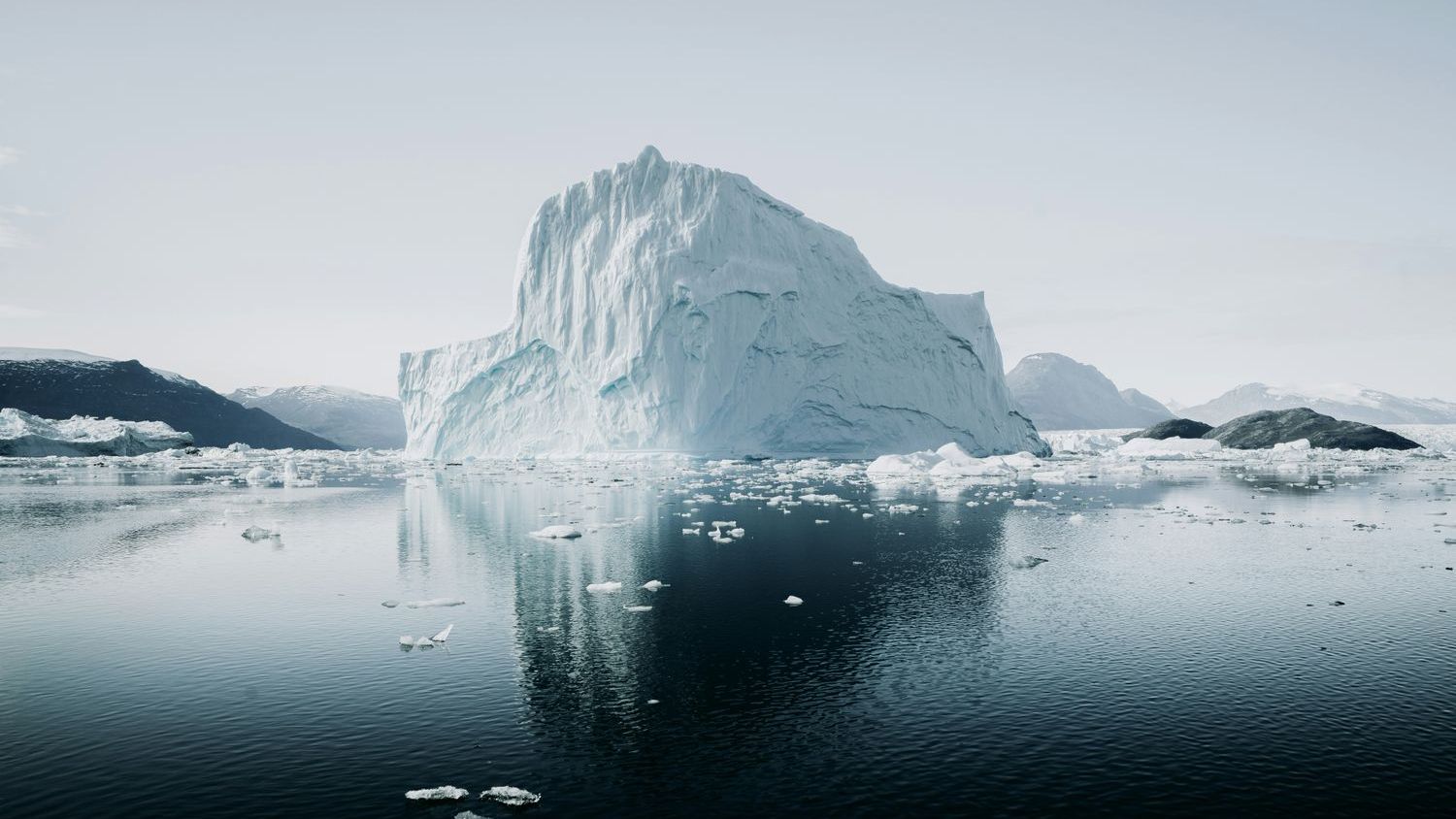
Climate change is rewriting winter lakes in a way that looks completely backward at first glance – Image for illustrative purposes only (Image credits: Unsplash)
Northern lakes face profound changes from climate warming, yet the seasonal dynamics often defy simple predictions. An international research team examined long-term data from Finnish waters and discovered that rising autumn surface temperatures delay ice formation, ultimately resulting in colder under-ice conditions during winter. This paradox highlights how interconnected seasonal processes shape lake ecosystems in unexpected ways.[1][2]
Unpacking the Paradox
At first glance, warmer autumn surfaces suggest uniformly heated lakes through winter. Researchers found the opposite for under-ice waters. Prolonged open-water periods in fall allowed deeper mixing and sustained heat loss to the atmosphere, chilling the water column before ice locked it in place.
Stronger autumn winds and increased solar radiation amplified this cooling during extended exposure. Larger lakes experienced the effect most prominently. The result: later ice-on dates correlated with notably colder bottom temperatures beneath the ice.[1]
Evidence from Decades of Monitoring
The study drew from 37 to 50 years of observations at 47 lake sites across Finland, starting in 1971. Surface waters in autumn warmed by about 0.37 degrees Celsius per decade. Over the full period, this translated to an average rise of 1.85 degrees Celsius and a delay in lake freezing of just over four days per decade – totaling around 20 days later.
Analyses revealed a clear negative relationship between ice-on timing and winter under-ice bottom water temperatures. Dimictic lakes, common in boreal regions and characterized by two annual mixing cycles, proved especially sensitive to these shifts. The team linked autumn conditions directly to winter thermal regimes and even summer surface peaks.[1]
Links to Broader Seasonal Shifts
Later autumn freeze-ups combined with earlier spring ice-off dates extended the open-water season overall. This chain reaction elevated maximum summer surface temperatures, closing the seasonal loop. Such patterns influence oxygen levels, nutrient cycles, and the behavior of aquatic life from plankton to fish.
“Water temperature is a key factor that determines the biology of ectothermic aquatic organisms,” noted Raine Kortet, professor of aquatic ecology at the University of Eastern Finland. “In very cold water, many organisms, from plankton to fish, often behave more passively.”[1]
What matters now: Autumn phenology emerges as a critical driver in lake responses to warming, urging models to incorporate these indirect effects for accurate projections.
Insights from the Research Team
Faith Ferrato, Joshua Culpepper, and Sapna Sharma from York University in Canada collaborated with Finnish colleagues, including Merja Pulkkanen of the Finnish Environment Institute. Their work appeared in Water Resources Research. “We are only now beginning to understand the significant importance of autumn conditions for northern temperate lakes,” the York researchers stated. “Our recent findings should be taken into account in limnological research and climate change impact projections.”[1]
Pulkkanen emphasized the value of sustained monitoring. “This study also highlights the importance of long-term hydrological monitoring data when assessing the impacts of climate change on lake hydrology and biology.”
| Seasonal Trend | Observed Change | Rate |
|---|---|---|
| Autumn surface temperature | +1.85°C overall | 0.37°C/decade |
| Ice-on timing | 20 days later | >4 days/decade |
| Under-ice bottom water | Colder with later ice-on | Negative correlation |
Ripples for Ecosystems and Research
Colder under-ice waters could slow metabolic rates and alter food webs, with passive behavior dominating among cold-adapted species. These shifts compound other climate pressures on boreal lakes, from reduced ice duration to intensified summer heat. The findings underscore autumn’s outsized role, previously underappreciated in models.
Northern temperate lakes, vital for biodiversity and human use, demand refined predictions. Long-term data like Finland’s offer a blueprint for tracking such nuances elsewhere. As climate patterns evolve, this research reframes how warming reshapes winter from the depths up.