

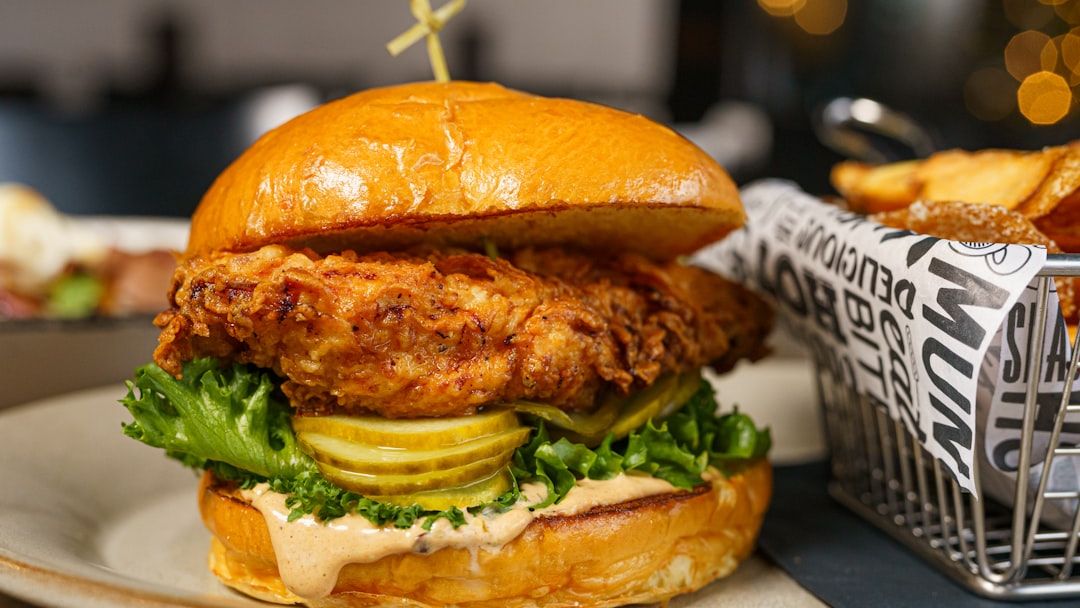
“,500 for a ‘Not Bad’ Chicken Sandwich. How Making It Taught the Creator About Money and Modern Life – Image for illustrative purposes only (Image credits: Unsplash)
Minneapolis — A local YouTuber transformed a routine lunch into an epic quest by building a chicken sandwich entirely from scratch. Andy George dedicated six months and $1,500 to the project, sourcing every element without store-bought shortcuts.[1][2] The effort not only yielded a meal he described as “not bad” but also reshaped his understanding of food production, waste, and the economic forces behind modern conveniences.[3]
The Step-by-Step Quest from Seed to Sandwich
George began with the basics, planting wheat seeds to produce flour for the bread. He tended the crop through growth and harvest before grinding it by hand. Vegetables like lettuce, tomatoes, onions, and pickles came from his own garden plots in community spaces.[4]
Other components proved more challenging. He traveled to the ocean to evaporate seawater into salt, an endeavor complicated by airport security checks on his haul. For cheese, George milked a cow and processed the milk into mozzarella, though the result turned out rubbery. He even raided a beehive for honey and visited a farm to slaughter a chicken himself, a task he later called uncomfortable but necessary.[3][4]
The full process spanned 16 distinct stages, each demanding hands-on labor without the benefits of machinery or division of labor. What started as curiosity about simple cooking evolved into a comprehensive test of self-sufficiency.[1]
Time, Cost, and the Economics of Scale
The timeline stretched to six months, largely dictated by the wheat’s growing cycle. Costs tallied $1,500, covering travel, tools, and raw efforts that no single person could optimize alone.[2] A typical fast-food version might run under $5, highlighting how mass production slashes prices through specialization and volume.[1]
| Element | Scratch Method | Modern Alternative |
|---|---|---|
| Bread | Grow, harvest, grind wheat | Factory-milled flour |
| Cheese | Milk cow, ferment | Industrial dairy processing |
| Salt | Evaporate ocean water | Mined and refined at scale |
| Chicken | Slaughter on farm | Commercial processing plants |
This table underscores the efficiencies lost in solo production. Farmers, millers, and processors each hone expertise, spreading fixed costs across vast outputs. George’s solitary approach exposed those efficiencies’ true worth.[1]
A Modest Meal and Profound Shifts
After assembly, George bit into the sandwich and deemed it “not bad.” Compared to a store-bought counterpart, it fell short — the bread and chicken needed refinement, and the cheese lacked ideal texture.[4] Still, the underwhelming result amplified the project’s point: convenience carries unseen value.
The experience lingered. George reported newfound aversion to food waste, explaining that hands-on involvement fostered respect for every ingredient. He noted ignorance beforehand but now connected each step mentally, from milk to cheese.[3] Milking the cow stood out as enjoyable, while dispatching the chicken proved sobering.
- Specialization and scale keep everyday items affordable.
- Production demands time, skill, and risk often hidden from consumers.
- Small-scale trials, like home baking, build similar appreciation without full commitment.
- Understanding origins curbs waste and informs smarter spending.
Implications for Money Management and Daily Choices
George’s sandwich illustrated broader financial truths. Apparent bargains often embed labor or expertise accumulated over years. Households might save by mimicking modest aspects, such as growing herbs or baking bread occasionally.[1]
Professionals in finance echo this: delegating to specialists yields returns, much like supply chains do for food. The project prompted George to value the “invisible side” of society, from global networks to local farms. Viewers, too, gained perspective on taken-for-granted processes.[3]
Ultimately, one man’s sandwich quest delivered a clear message. Modern life thrives on efficiencies most never witness. Recognizing them equips better decisions, whether at the grocery or in budgeting.