

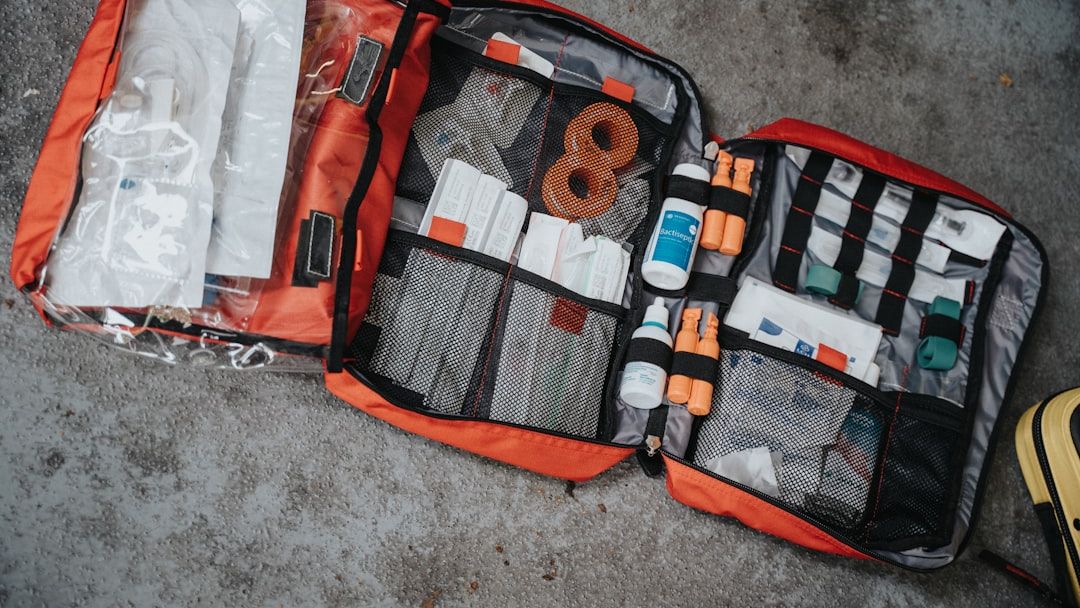
8 Tips to Build an Emergency Kit on a Budget – Image for illustrative purposes only (Image credits: Unsplash)
Disasters spare no region, whether hurricanes threaten coastal communities or wildfires endanger parched landscapes inland. Families in tornado alleys or snowbound northern states face similar vulnerabilities that demand quick access to vital supplies. Fortunately, creating a comprehensive emergency kit requires neither extravagant spending nor specialized expertise. Strategic planning and everyday resourcefulness enable households to stock essentials affordably, ensuring resilience when power fails or evacuation looms.[1][2]
Prioritize Core Needs Based on Your Household
Begin by evaluating risks tied to your location and lifestyle. Coastal dwellers might emphasize waterproof containers, while rural residents stock tools for debris clearance. Federal guidelines recommend starting with water – one gallon per person daily for drinking and sanitation – and non-perishable foods sufficient for several days.[2] Tailor the kit to family dynamics, including medications for seniors or diapers for infants, to avoid unnecessary purchases.
This assessment prevents waste. Homeowners could coordinate with neighbors for shared heavy equipment like chainsaws, reducing individual costs. Apartment residents focus instead on portable items such as whistles for signaling help or sturdy boots for navigating hazards. Such customization keeps the kit relevant and economical.
Leverage Household Items and Free Resources
Scan pantries, garages, and junk drawers for overlooked supplies. Repurpose clean two-liter bottles for water storage after treating tap water with purification tablets or a few drops of bleach. Bathtubs serve as reservoirs for non-drinkable water used in flushing or cleaning, provided evacuation remains unnecessary.[1] Chargers, maps, and spare cash already on hand form the foundation without added expense.
Rotate everyday non-perishables like canned goods or granola bars into the kit during normal shopping. Watch for buy-one-get-one offers on peanut butter, dried fruits, or cereal. Fresh produce such as apples holds up well short-term, adding variety without premium pricing. These steps build reserves gradually while maintaining freshness.
Build Health and Utility Supplies Economically
First-aid basics – bandages, antiseptics, tweezers, and pain relievers – assemble cheaply from dollar stores or pharmacy sales. Generic versions match branded efficacy at lower prices. Include hygiene items like moist towelettes, garbage bags, and sanitation supplies to manage waste during outages.[3]
- Opt for multi-purpose tools like duct tape, plastic sheeting, and manual can openers.
- Choose hand-crank flashlights and radios to bypass battery dependence.
- Stock extra batteries in bulk packs during promotions, splitting large quantities with neighbors if needed.
Entertainment such as coloring books or decks of cards distracts children affordably. These elements sustain morale alongside physical needs.
Secure Documents, Contacts, and Long-Term Habits
Compile copies of critical papers – passports, insurance policies, medical records – in waterproof folders or digital backups on secure cloud services. A flash drive or printed list suffices for quick access. Notebook pages with emergency numbers, including local relief agencies, prove invaluable if phones fail.[1]
Adopt a monthly routine: allocate modest sums, say $20, toward additions like tire repair spray or extra blankets. Review annually, replacing expired items and adapting to changes like new pets or health conditions. This disciplined approach transforms preparation into a sustainable practice rather than a one-time burden.
Key Budget Savers at a Glance
• Inventory home first to avoid duplicates.
• Shop sales and generics for 50%+ savings.
• Build incrementally to spread costs.
• Digital docs eliminate printing expenses.
Preparedness empowers families to weather crises with confidence. Kits stored in accessible bins or duffels facilitate swift grabs during alerts. Over time, these habits not only safeguard lives but also foster community ties through shared planning. True security lies in readiness that fits any budget.