

What “Between Earth and the Moon” Actually Means
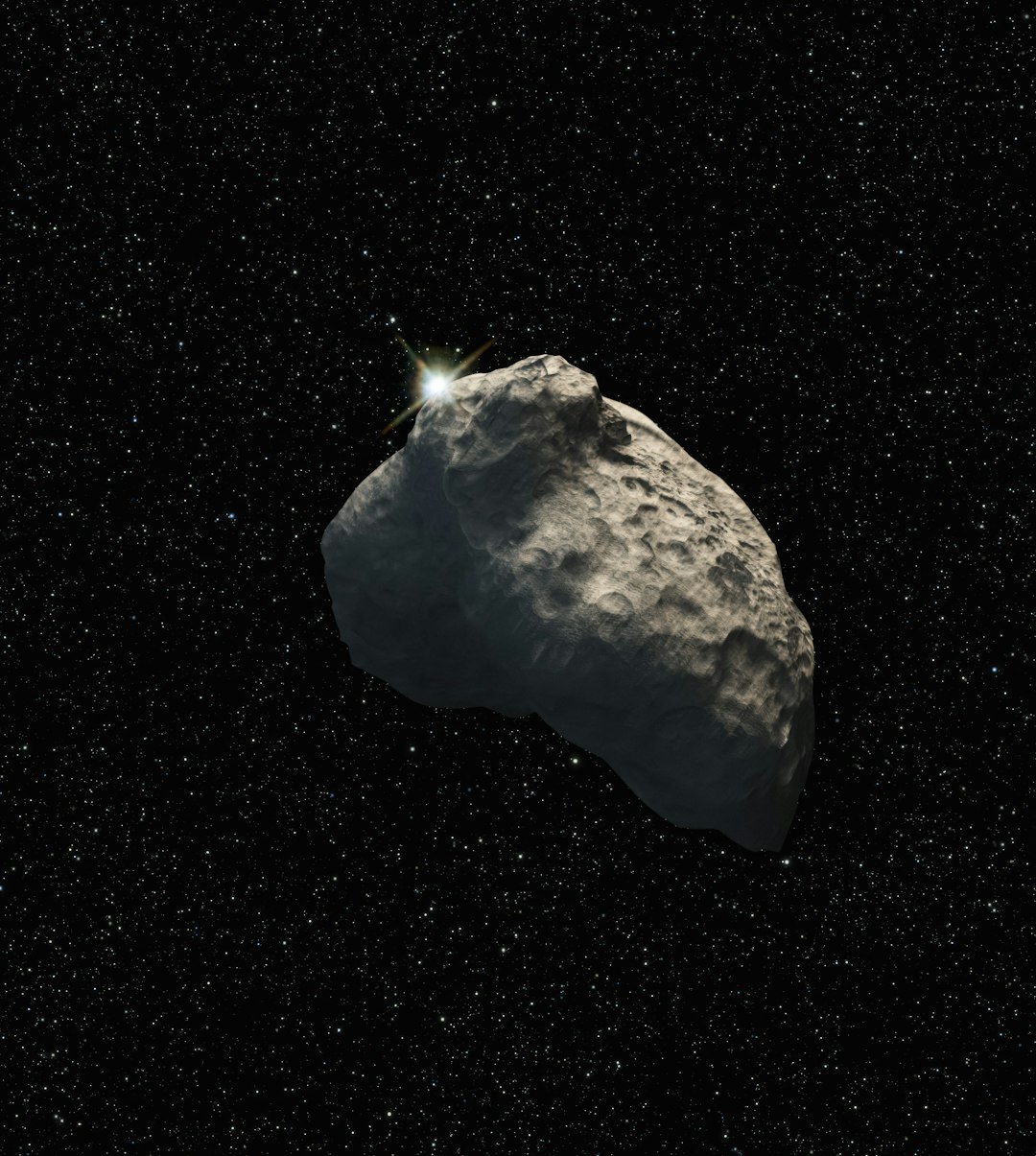
Most people hear the phrase “between Earth and the Moon” and picture something comfortably far away. The reality is a little different. The average distance between Earth and the Moon is about 239,000 miles, or roughly 385,000 kilometers. That sounds like a lot, but in the context of space travel, it’s about the same as taking one very long road trip.
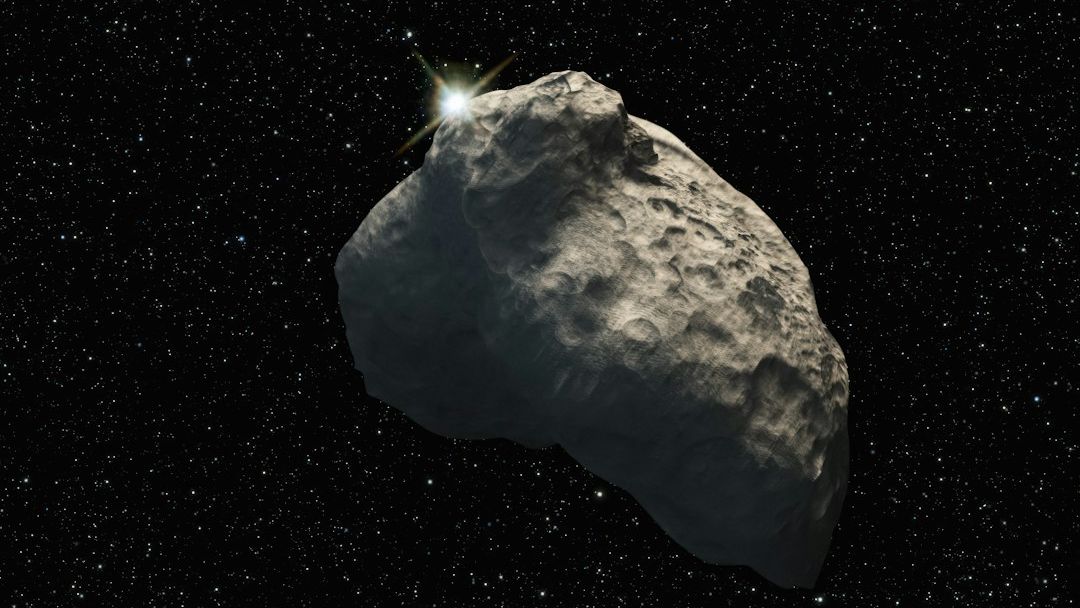
Any object that passes within that distance is considered a genuinely close approach. Objects larger than about 150 meters that can approach Earth within about 7.5 million kilometers are classified as potentially hazardous objects. The asteroid in question came nowhere near that size threshold, which is part of why it stayed under the radar for so long.
Events like this are not as unusual as they sound. In April 2026, a house-sized asteroid made a close pass of Earth and the Moon, passing a little over half the distance to the Moon as it buzzed the southern hemisphere at a blistering speed of nearly 28,000 miles per hour. These things happen more often than the general public tends to realize.
The Scale of What We’re Tracking
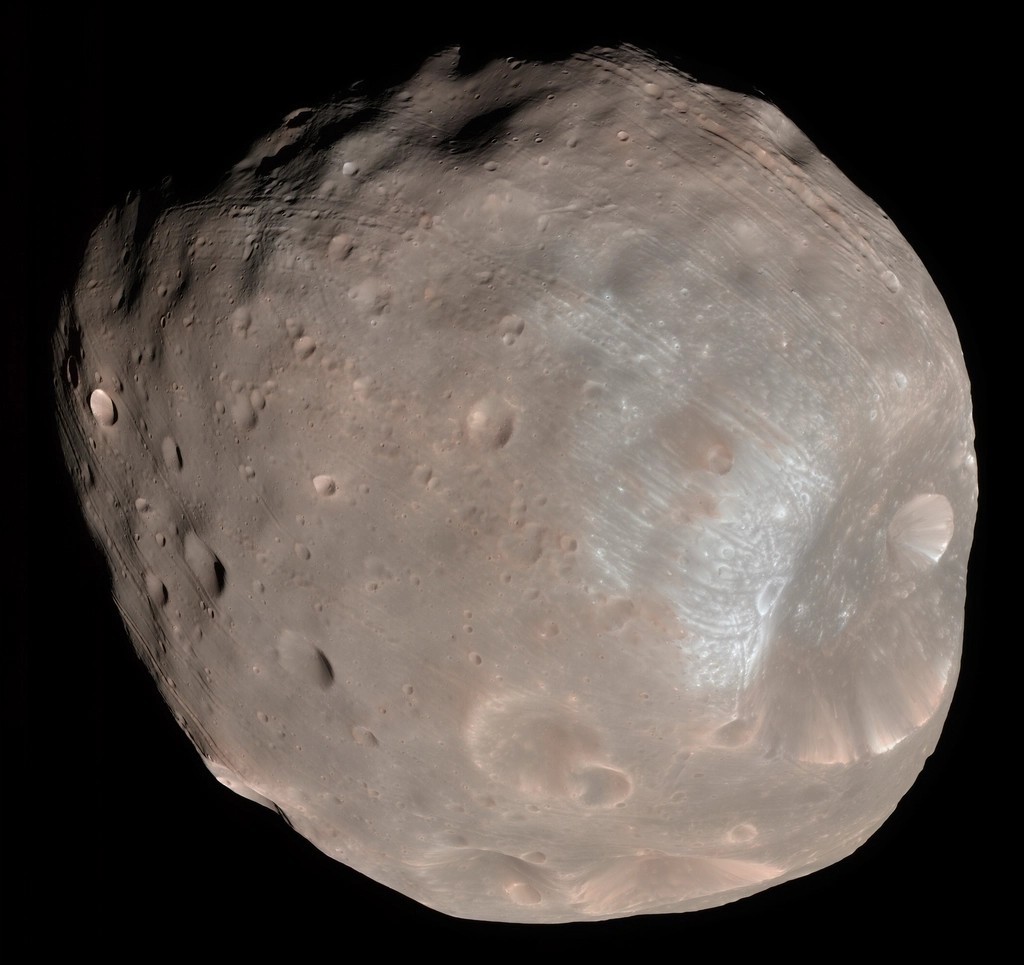
There are over 37,000 known near-Earth asteroids and more than 120 known short-period near-Earth comets. That’s an enormous catalog, and tracking organizations around the world add new entries to it every week. Still, the known population is really just the visible tip of a much larger iceberg.
In 2005, the U.S. Congress ordered NASA to find 90 percent of the estimated 25,000 near-Earth objects larger than 140 meters, with a deadline of 2020. So far, only about 43 percent of that goal has been reached. The smaller the object, the harder it gets. Objects under 30 meters are especially difficult to catalog comprehensively.
Estimates for objects at least 1 kilometer in size put the discovery figure somewhere between 89 and 99 percent, with an expected value around 94 percent. That’s reasonably reassuring for civilization-ending threats. For city-killers and smaller, the picture changes considerably.
Why Small Asteroids Are So Hard to Spot
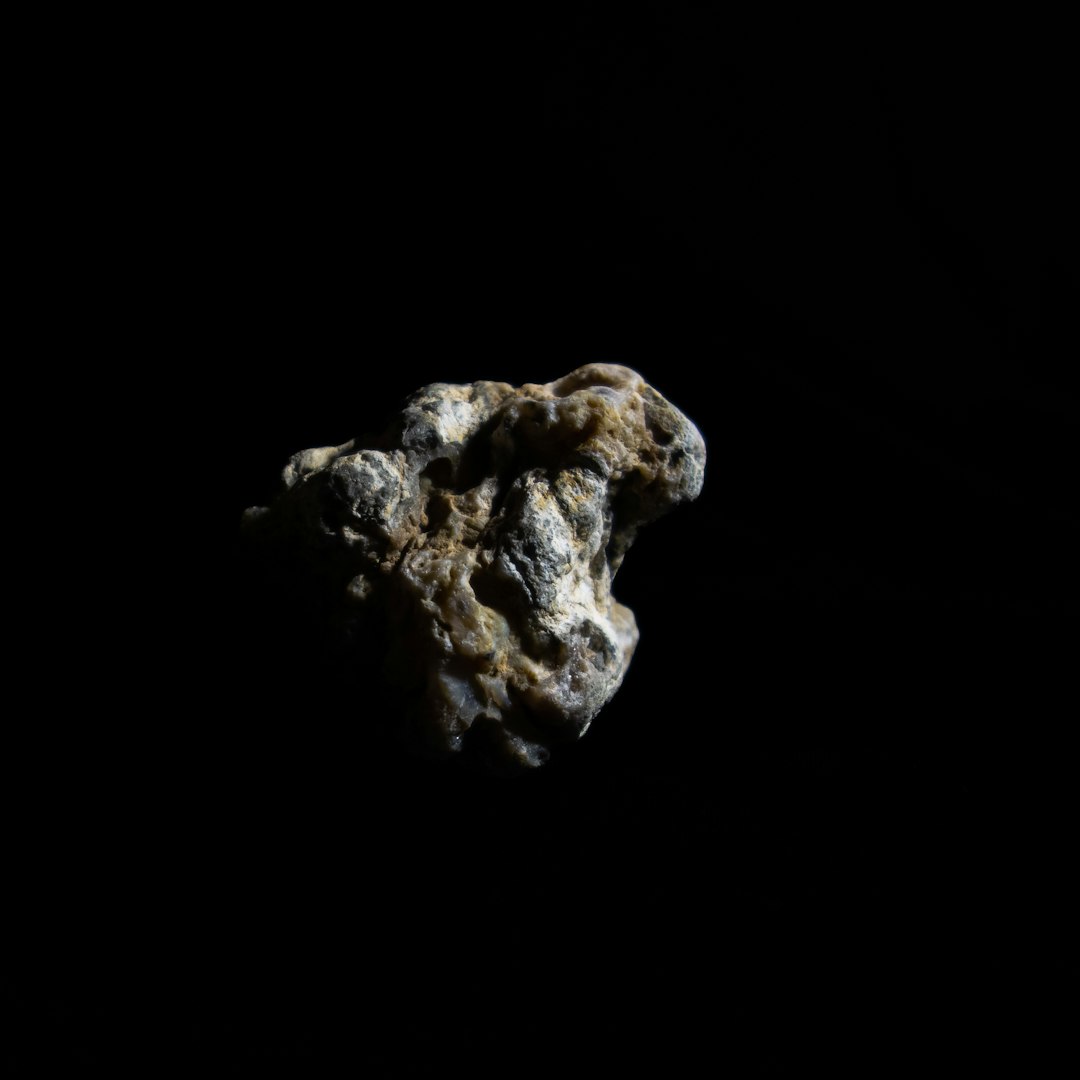
Many of the asteroids that escape early detection are relatively small, with diameters ranging from a few meters to several tens of meters. Small asteroids do not reflect much sunlight, making them difficult to observe with ground-based telescopes. Think of trying to spot a dark pebble in a black ocean at midnight.
The composition of an asteroid also affects its reflectivity. Darker asteroids, often composed of carbon-rich materials, absorb more light, reducing the amount that can be detected from Earth. This means some asteroids may remain nearly invisible until they are very close.
In recent years, several near-Earth asteroids have been detected just days, or even hours, before making close approaches or impacting Earth. The margin for surprise keeps shrinking, but it hasn’t disappeared. The Skyfall object was spotted after the fact, which puts it in a frustratingly common category.
The Sun’s Blind Spot Problem
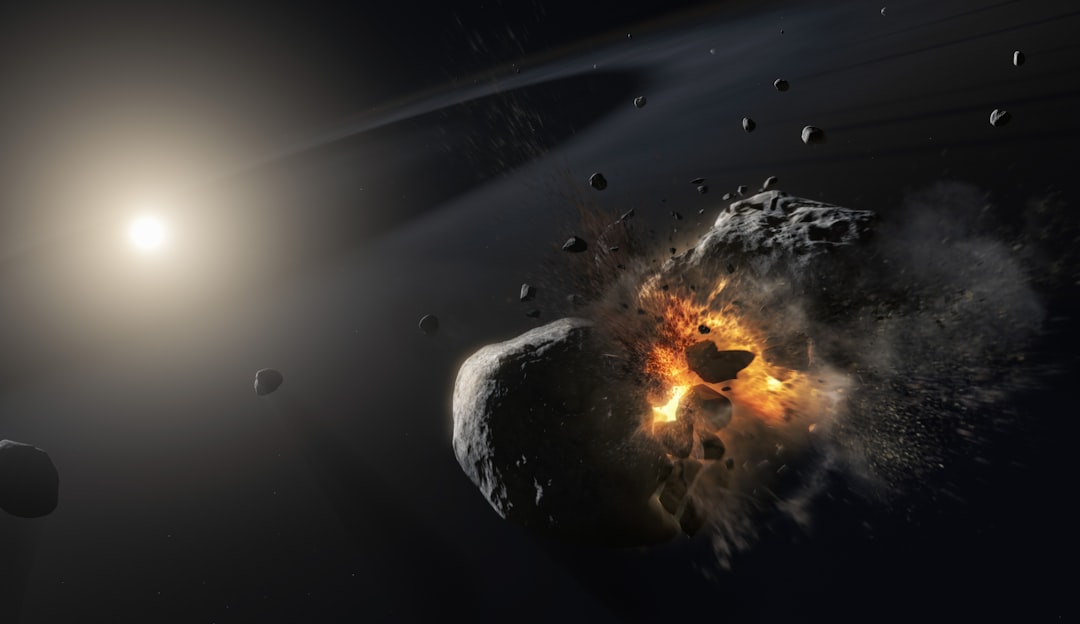
There’s a structural weakness in how we watch the sky, and it has nothing to do with funding or effort. It has to do with where the Sun sits relative to our telescopes. All ground-based telescopes have a large blind spot for any asteroids coming from the direction of the Sun, and are also affected by weather conditions, airglow, and the phase of the Moon. Ground-based telescopes can only detect objects approaching on the night side of the planet.
Roughly half of all asteroid impacts occur on the day side of the planet. That’s not a small gap in coverage. That is half the problem, quite literally. Asteroids can approach Earth from many different angles, including from the direction of the Sun. When an asteroid approaches from the Sun’s direction, it is nearly impossible to observe with traditional telescopes due to the Sun’s brightness.
Asteroids approaching Earth from the sunward direction are in the blind zone of ground-based telescopes, meaning a warning cannot be provided in time. This is the exact scenario that planetary defense planners have worried about for years, and it’s the most likely explanation for why the Skyfall event went undetected until after the fact.
Chelyabinsk: The Warning We Almost Forgot
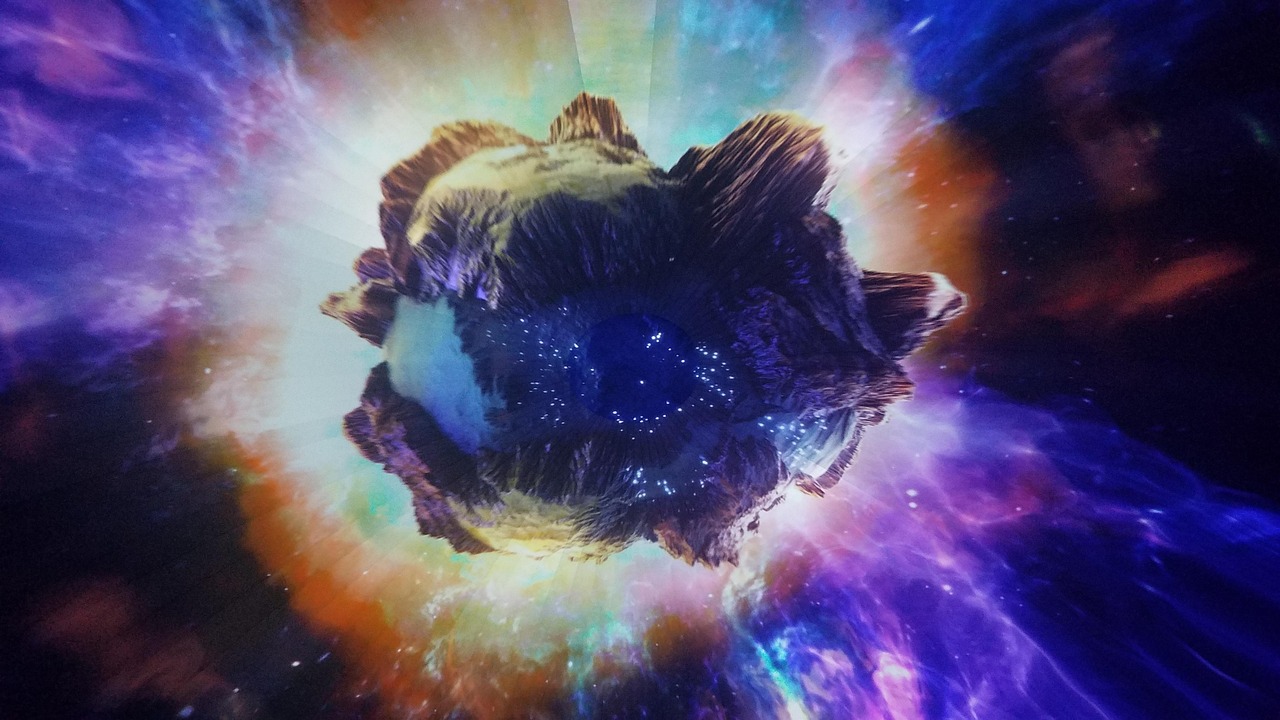
In 2013, the world got a vivid demonstration of what a small, undetected asteroid can actually do. On February 15, 2013, a house-sized asteroid impacted Earth’s atmosphere over Chelyabinsk, Russia, at a speed of eleven miles per second and exploded 14 miles above the ground. The explosion was equivalent to 440,000 tons of TNT, and the resulting air blast blew out windows over 200 square miles, damaged buildings, and injured over 1,600 people, mostly due to broken glass.
Due to the asteroid’s approach from the daytime sky, it was not detected prior to impact, serving as a reminder that an Earth impact by an unknown asteroid could occur at any time. The rock was roughly 18 to 20 meters in diameter. It came from the direction of the Sun. Nobody saw it coming until it was already tearing through the atmosphere at hypersonic speed.
The asteroid impact near Chelyabinsk was the largest airburst on Earth since the 1908 Tunguska event, causing a natural disaster in an area with a population exceeding one million. Events like this aren’t science fiction. They are documented history. And they keep happening because our detection grid still has holes in it.
How Close Approaches Are Actually Tracked
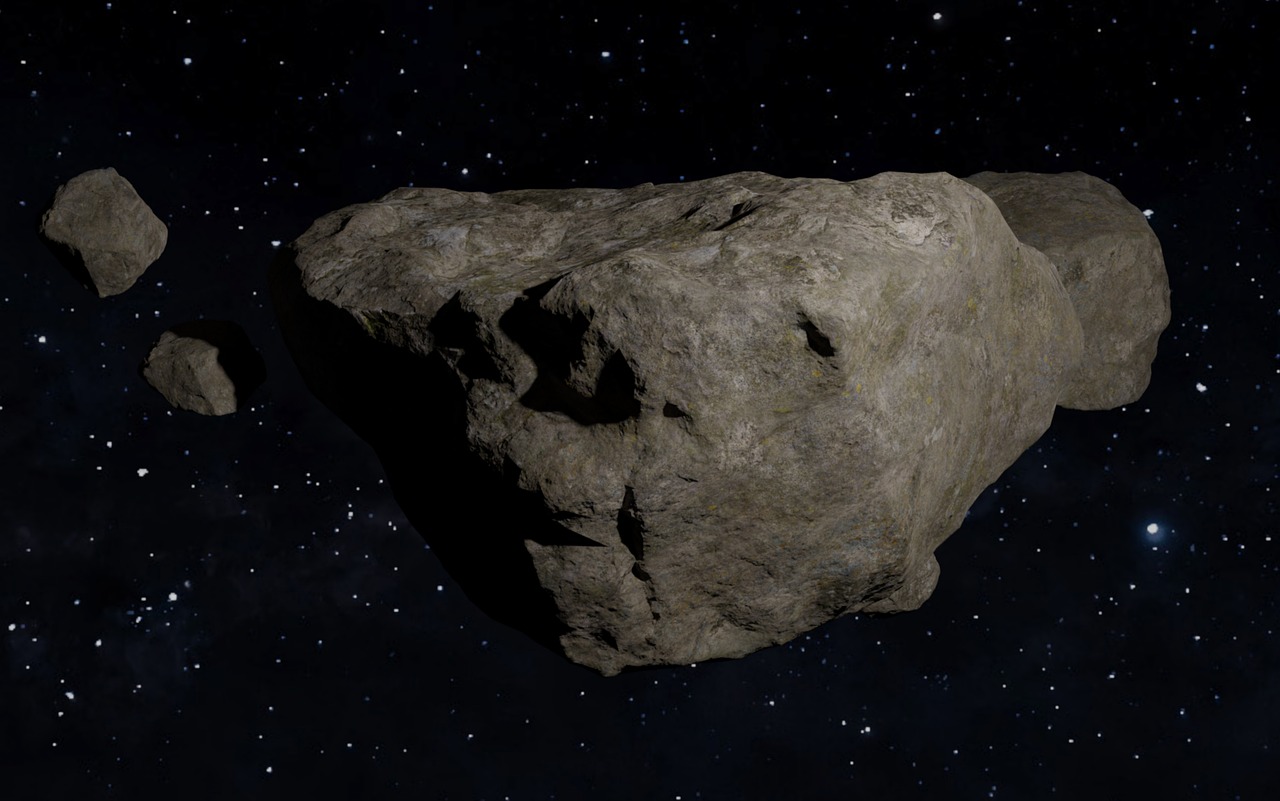
Detecting near-Earth objects is done by comparing multiple images, taken several minutes apart, of the same region of the sky. The vast majority of the objects appearing in these images are stars and galaxies with fixed positions. Because a moving near-Earth object would be in a slightly different position on each image, it can be identified if it is bright enough.
NASA maintains an automated system to evaluate the threat from known near-Earth objects over the next 100 years, which generates the continuously updated Sentry Risk Table. All or nearly all of the objects on the list are highly likely to drop off eventually as more observations come in. The system works well for things it can see. The Skyfall-class objects slip through when they can’t be seen in the first place.
Recent years have shown just how quickly these discoveries can happen. A newly discovered bus-sized asteroid passed closer than the Moon as it zipped beneath Antarctica in March 2026, passing about 197,000 miles from Earth’s southern hemisphere. It had been discovered less than one week before the flyby. One week. That’s the kind of lead time we’re sometimes working with.
The DART Legacy and Deflection Reality
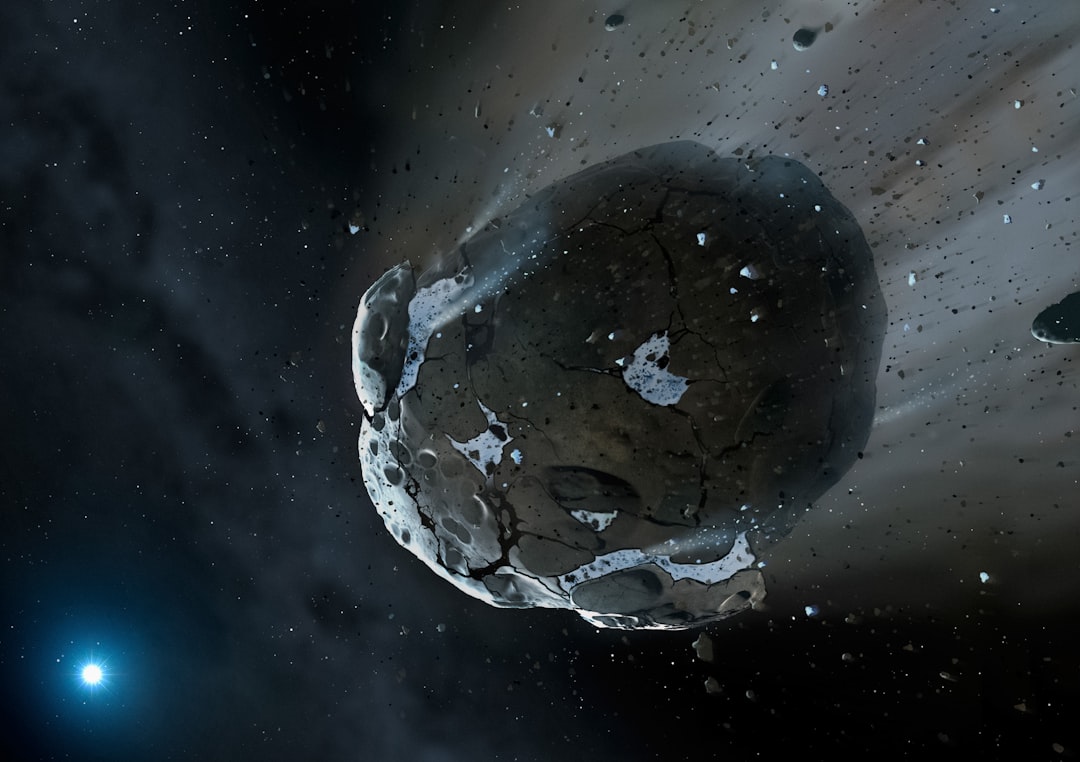
There is one genuinely good piece of news in all of this. In 2022, working together with the Italian Space Agency, NASA’s DART mission successfully demonstrated the world’s first-ever test for deflecting an asteroid’s orbit, colliding with a known asteroid and demonstrating one method of asteroid deflection technology using a kinetic impactor spacecraft. It worked. That matters enormously.
NASA successfully nudged the moonlet Dimorphos by 33 minutes, humanity’s first planetary-defense success story. But deflection only works if you know the object is coming. That only works if we spot the threat early enough. A month’s notice isn’t enough to mount a deflection mission; years are needed.
The Skyfall event, like similar undetected flybys before it, was never a deflection scenario. It was a miss. The deeper question it raises is how many future objects in the same class are already on their way, unknown to every telescope currently pointed at the sky.
What NEO Surveyor Is Supposed to Fix

Near-Earth Object Surveyor is the first space telescope specifically designed to detect asteroids and comets that may be potential hazards to Earth, building on the success of NASA’s NEOWISE space telescope. It represents a genuine upgrade in humanity’s planetary watch capability, and it’s been a long time coming.
As it scans the solar system, NEO Surveyor’s sensitive infrared detectors will track the most elusive near-Earth objects. Dark asteroids and comets don’t reflect much visible light, but they will glow in the infrared spectrum as they’re heated by sunlight. In addition, NEO Surveyor will be able to find asteroids that approach Earth from the direction of the Sun.
Work on the mission is progressing toward a targeted late 2027 launch. A major component, the spacecraft’s instrument enclosure, completed environmental testing at NASA’s Johnson Space Center and returned to the Jet Propulsion Laboratory in early 2026. After launch, NEO Surveyor will carry out a five-year baseline survey to find at least two-thirds of the near-Earth objects larger than 140 meters, the objects large enough to cause major regional damage in the event of an Earth impact.
The Quiet Lesson of Project Skyfall
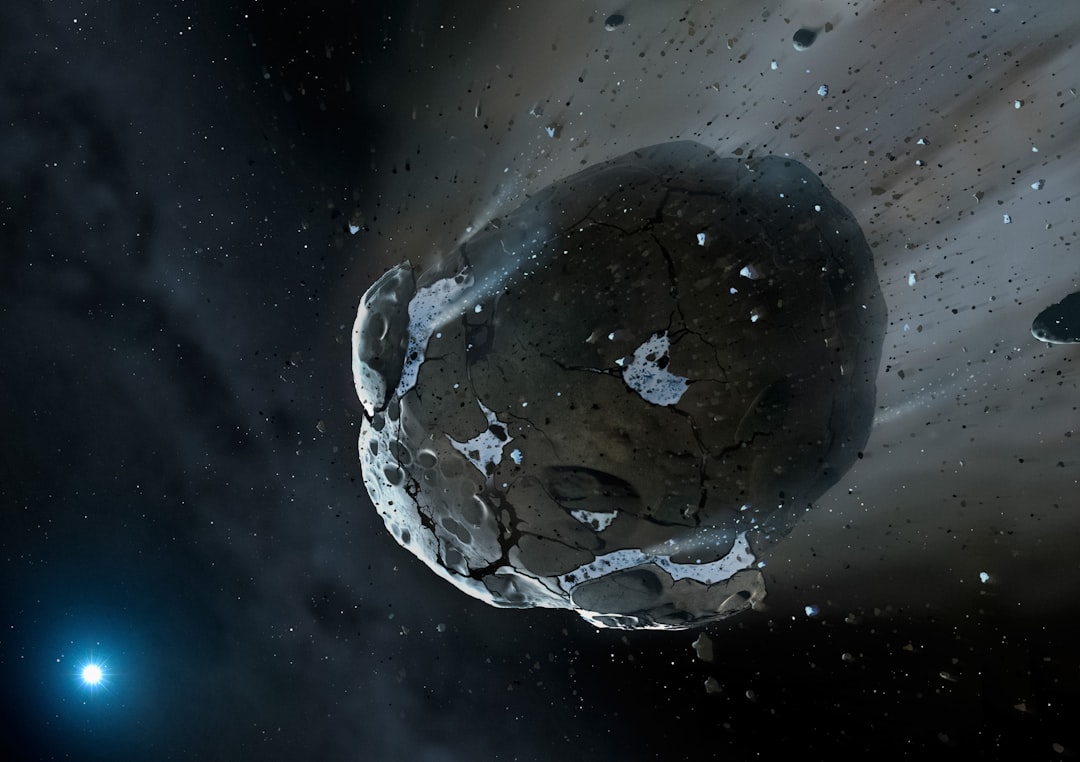
The Skyfall asteroid did not hurt anyone. It did not even come close to doing so. It passed through a region of space that happens to be defined by the orbit of our Moon, left no trace, and continued on its way. Most people on Earth had no idea it happened.
That unawareness is actually the most instructive part of the whole story. Earth is bombarded by tiny space rocks every day, most of which burn up in the atmosphere. Larger objects, like the one that exploded over Chelyabinsk, Russia in 2013, can damage buildings and cause injuries. The spectrum of risk runs from the trivial to the catastrophic, and the harder objects to detect tend to sit uncomfortably in the middle of it.
One of the most promising developments in asteroid detection is the use of space-based observatories. Unlike ground-based telescopes, which are affected by weather, atmospheric distortion, and the day-night cycle, space-based systems can provide continuous coverage of large areas of the sky. That shift, from ground-based reactive observation to space-based continuous monitoring, is exactly what the next decade of planetary defense hinges on.
The story of Project Skyfall isn’t really about the asteroid. It’s about the gap between what we know and what we don’t, and the quiet, ongoing work to close that gap before something we missed decides to stop missing us.