

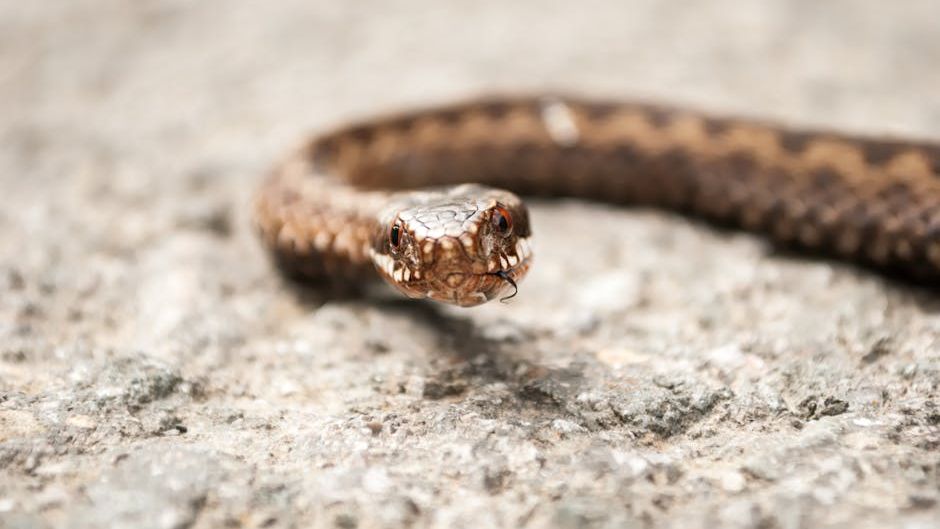
Determinants of severity and spatial inequalities in snakebite envenomation in a vulnerable Brazilian mesoregion: a retrospective ecological study – Image for illustrative purposes only (Image credits: Pexels)
Snakebite envenomation remains a persistent threat in parts of Brazil where social vulnerabilities amplify health risks. Researchers conducted a retrospective ecological study in one such mesoregion, drawing on a decade of official records to map out case profiles and severity factors. The analysis, covering 2014 to 2024, underscores how access to care and location play critical roles in outcomes.
Scale of the Challenge
Officials recorded 1,272 snakebite cases over the 10-year period, translating to an incidence rate of 346.87 cases per 100,000 inhabitants. This figure highlights the disease’s foothold in the region, where Bothrops species accounted for nearly 76% of incidents. The study pulled data from Brazil’s Notifiable Diseases Information System, applying national guidelines to classify severity levels while addressing gaps through multiple imputation techniques.
Multinomial logistic regression helped identify associations with moderate and severe outcomes. Such methods allowed investigators to sift through sociodemographic, clinical, and healthcare variables for clearer patterns. The overall lethality rate stood at 8.8%, a stark reminder of the stakes involved.
Victim Profiles Emerge
Males bore the brunt of cases, making up 69.5% of those affected. Adults aged 20 to 59 years represented 60.1% of incidents, often linked to occupational exposures in rural settings. These demographics point to working-age individuals in high-risk environments as primary targets.
Mild cases dominated at 49.8%, with moderate ones close behind at 41.6%. Severe envenomations, though less common at 7%, carried the gravest consequences. Territorial mapping revealed pronounced differences, as certain municipalities faced elevated relative risks for severe classifications.
Factors Tied to Worse Outcomes
Delays in treatment emerged as a key influencer. Cases where patients received care between three and six hours after the bite showed a 48% higher relative risk of moderate severity, with statistical significance (RRR = 1.48; p = 0.029). Prompt intervention clearly mitigates progression.
Geographic and healthcare access issues compounded risks. Some areas lagged in resources, leading to disparities in severity and survival. Clinical traits, such as the snake species involved, also factored into the equation, though Bothrops bites predominated across severity levels.
| Severity Level | Percentage of Cases |
|---|---|
| Mild | 49.8% |
| Moderate | 41.6% |
| Severe | 7.0% |
Path Forward for Prevention
The findings position snakebite envenomation as a pressing public health concern, exacerbated by regional inequities. Strengthening health infrastructure, especially in underserved municipalities, stands out as essential. Improved pathways to antivenom and faster response times could curb moderate and severe cases.
Targeted strategies should prioritize high-risk zones, blending education with better surveillance. The study, published in Discovery Public Health, calls for systemic upgrades to address these gaps.Full details here. With vulnerabilities laid bare, action now holds potential to lessen the burden.