

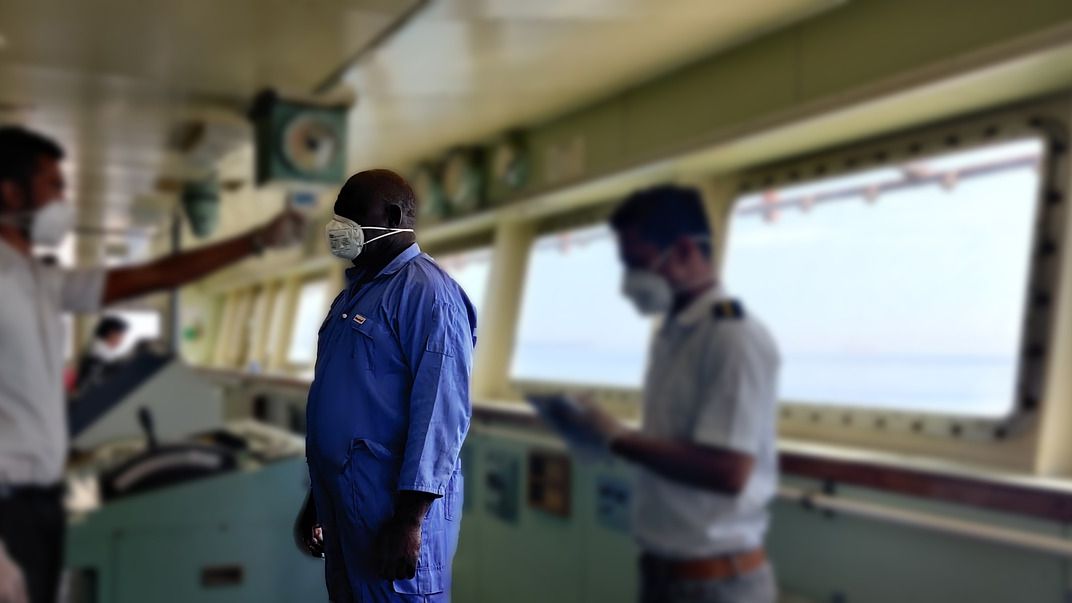
Hantavirus possibly transmitted human to human on stricken cruise ship, WHO says – Image for illustrative purposes only (Image credits: Pixabay)
Nearly 150 people aboard an expedition cruise ship remain confined to their vessel in the Atlantic Ocean, grappling with the aftermath of a rare hantavirus outbreak that has claimed three lives.[1][2] The situation escalated quickly during a voyage through remote Antarctic waters, leaving travelers from 23 countries uncertain about when they might disembark.[3] Health authorities now contemplate a quarantine period stretching up to eight weeks to monitor for further cases.
The Timeline of Tragedy Aboard MV Hondius
The MV Hondius, a Dutch-flagged expedition vessel operated by Oceanwide Expeditions, departed Ushuaia, Argentina, on April 1, bound for stops in Antarctica, South Georgia, and remote South Atlantic islands.[1] The first signs of trouble emerged on April 6 when a Dutch male passenger fell ill with fever, headache, and diarrhea.[4] His condition worsened into respiratory distress, leading to his death on April 11.[2]
Subsequent cases followed a grim pattern. The man’s wife developed gastrointestinal symptoms and died on April 26 in South Africa after evacuation, with lab tests confirming hantavirus.[4] A British passenger required intensive care there as well, also testing positive. By early May, a German national had succumbed to pneumonia aboard the ship, bringing the death toll to three.[3] Two crew members, one British and one Dutch, later reported respiratory issues.
What Is Hantavirus and How Does It Spread?
Hantavirus belongs to a family of rodent-borne pathogens that primarily infect humans through inhalation of airborne particles from infected rodents’ urine, droppings, or saliva.[5] Initial flu-like symptoms – fatigue, fever, muscle aches, and abdominal discomfort – appear one to eight weeks after exposure.[1] Severe progression involves pneumonia, acute respiratory distress, and shock, with fatality rates around 38 percent for the pulmonary syndrome prevalent in the Americas.[4]
No specific treatment or vaccine exists; care focuses on supportive measures like oxygen and ventilation.[5] While infections remain rare globally – fewer than 200 pulmonary cases annually – the virus surfaced here amid potential rodent exposure during the ship’s Antarctic itinerary.[1] Investigators probe whether wildlife encounters ashore introduced the pathogen.
Suspicions of Human-to-Human Spread Alarm Experts
World Health Organization officials suspect limited human-to-human transmission occurred among close contacts on board, such as cabin mates or spouses.[2] “We do believe that there may be some human-to-human transmission that’s happening among the really close contacts,” said Maria Van Kerkhove, a WHO epidemiologist.[2] This aligns with rare precedents involving the Andes virus strain in South America.
Of the seven cases – two laboratory-confirmed and five suspected – close proximity raises flags, though primary rodent transmission likely seeded the cluster.[1] WHO assesses the global public risk as low, emphasizing the virus does not spread casually like influenza.[3] Ongoing genomic sequencing and contact tracing will clarify the dynamics.
Life in Limbo for Stranded Travelers
Anchored off Cape Verde after ports denied docking, the ship now heads to Spain’s Canary Islands for disinfection and assessment.[2] Passengers, including 17 Americans among 88 travelers and 59 crew, maintain good spirits despite the ordeal. They adhere to strict protocols: cabin confinement where possible, social distancing on decks, meal deliveries, and mask use for the symptomatic.[3]
- Maximal physical distancing and self-isolation for anyone unwell.
- Enhanced hygiene, ventilation, and avoidance of dry sweeping to prevent aerosolizing contaminants.
- Medical monitoring and evacuation for severe cases via specialized flights.
“Eight weeks is a horribly long time to be in quarantine,” noted Ann Lindstrand, WHO representative in Cape Verde.[2] Yet the atmosphere stays calm, with no panic reported as authorities coordinate repatriation by nationality.
Looking Ahead Amid Uncertainty
Multi-country efforts, led by Cabo Verde, the Netherlands, Spain, and others with WHO support, include lab testing in South Africa and Senegal, rodent control, and flight contact tracing.[1] One patient improves in intensive care, but the full scope awaits further results.
For those aboard, the immediate horizon involves arrival in the Canary Islands, potential extended monitoring, and a return to normalcy shadowed by this unusual maritime health crisis. The episode underscores vulnerabilities in remote travel, even as experts stress the contained nature of the threat.[3]