

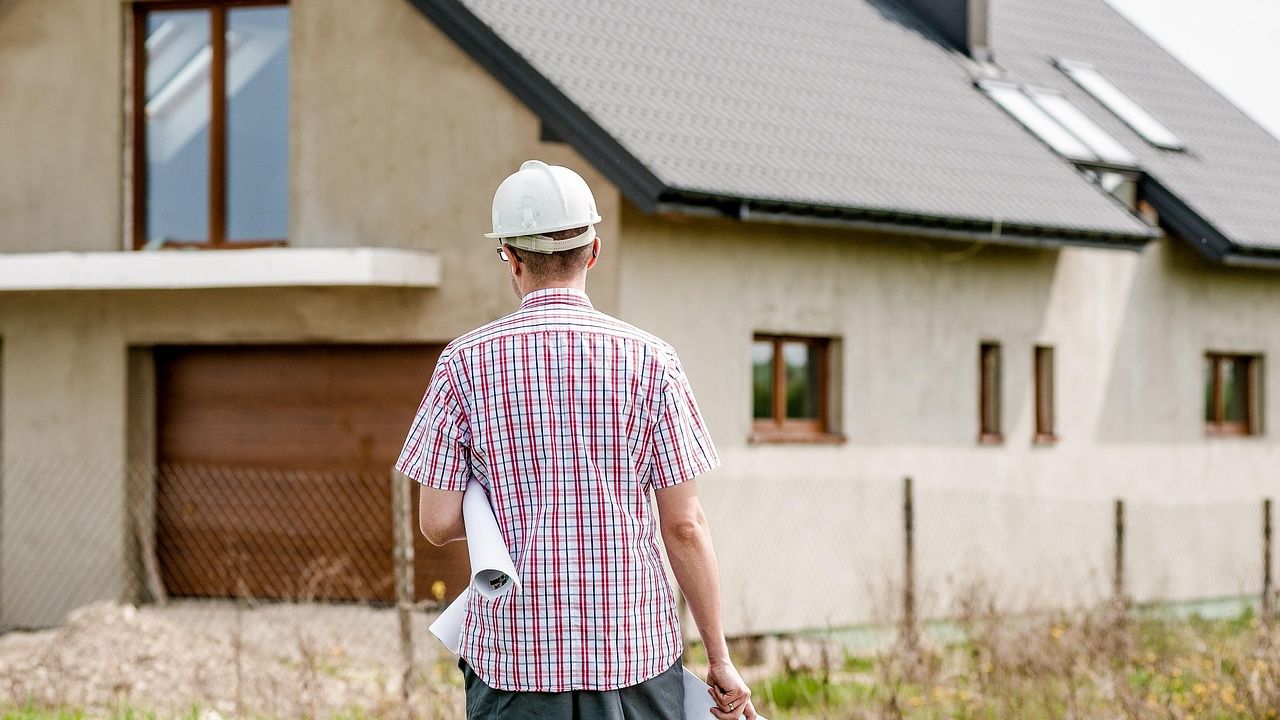
Home Repair Help for Seniors in Texas: Roofs, HVAC, Ramps, and Weatherization – Image for illustrative purposes only (Image credits: Pixabay)
Texas – Elderly homeowners across the state faced mounting challenges from aging houses battered by extreme weather, prompting a push toward localized repair assistance. Programs targeting roofs, heating and cooling systems, wheelchair ramps, and energy upgrades offered pathways to safety and affordability. Officials emphasized starting with community-level contacts rather than distant grants, as funds flowed through city offices, counties, and regional agencies.
Quickest Paths for Emergency Fixes
Local housing offices and hotlines provided the fastest response for imminent dangers like leaking roofs or failed furnaces. Seniors reported success by contacting city code enforcement, county housing departments, or dialing 2-1-1 Texas immediately after spotting hazards. Staff prioritized issues such as exposed wiring, sewer breaks, or blocked accessibility that threatened health.
Communities in Houston, Dallas, San Antonio, and rural areas operated distinct pipelines, often backed by federal or state allocations. Applicants described problems plainly – such as “no heat during winter” or “storm-damaged roof” – to trigger reviews. Many programs required photos, ownership proof, and income details upfront, but urgent cases sometimes bypassed lengthy forms.
State Programs Address Broad Needs
The Texas Department of Housing and Community Affairs (TDHCA) directed funds to local providers for homeowner reconstruction, barrier removal, and weatherization. The Amy Young Barrier Removal Program delivered grants up to $22,500 for ramps and access modifications, while energy initiatives covered audits, insulation, and HVAC replacements under strict efficiency criteria. The Texas General Land Office managed 2024 disaster aid for storm-hit counties, including reimbursements from $3,000 to $75,000 for eligible rebuilds.
Rural seniors turned to USDA Section 504 for grants or loans targeting health hazards, though urban dwellers found limited overlap. TDHCA’s Help for Texans tool matched counties to providers, streamlining searches for weatherization or crisis energy aid like the Comprehensive Energy Assistance Program (CEAP). These efforts covered all 254 counties but demanded verification of income below 80% area median and primary residency.
| Program | Focus Areas | Key Eligibility Notes |
|---|---|---|
| TDHCA Homeowner Reconstruction Assistance | Repair, rehab, reconstruction | Income under 80% AMFI; not statewide |
| Amy Young Barrier Removal | Ramps, accessibility | Administered locally; one-time grants |
| GLO 2024 HAP/HRP | Storm damage, reimbursements | 27 counties; first-come, first-served |
| TxCDBG | Rural/small town rehab | Via local governments |
City and Community Agency Support
Major cities rolled out targeted initiatives, with Houston’s Home Repair program tackling health hazards and Harris County’s version aiding low-income owner-occupants. Dallas offered forgivable loans up to $24,000 through partnerships, while San Antonio consolidated applications for rehab and green upgrades. Austin and Travis County focused on structural and septic fixes, granting up to $24,999 in select cases.
Community Action Agencies handled energy crises statewide, often pairing CEAP bill relief with weatherization. Area Agencies on Aging connected seniors to fall-prevention aids like grab bars, referring ramp needs to specialists such as the Texas Ramp Project. Fort Worth paused intakes temporarily as of early May 2026 due to demand, urging alternatives like county options.
- TDHCA Help for Texans finder for local matches
- 2-1-1 Texas for immediate referrals
- Area Agencies on Aging for accessibility
- USDA for rural very-low-income homes
Navigating Applications and Pitfalls
Seniors prepared documents like tax records, utility bills, and repair photos to speed processes, as programs scrutinized ownership and current taxes. Denials often stemmed from incomplete files or scope mismatches, prompting written explanations and parallel applications. Veterans explored VA grants for adaptations, though state loans faced a moratorium by late April 2026.
Scams surged post-storms, with officials warning against upfront payments or deductible waivers. Licensing checks via state boards ensured legitimate contractors for plumbing, electrical, and HVAC work. Nonprofits like Habitat affiliates and Rebuilding Together filled gaps for minor safety tasks, typically after verifying ZIP codes and availability.