

The Origin of Something Enormous
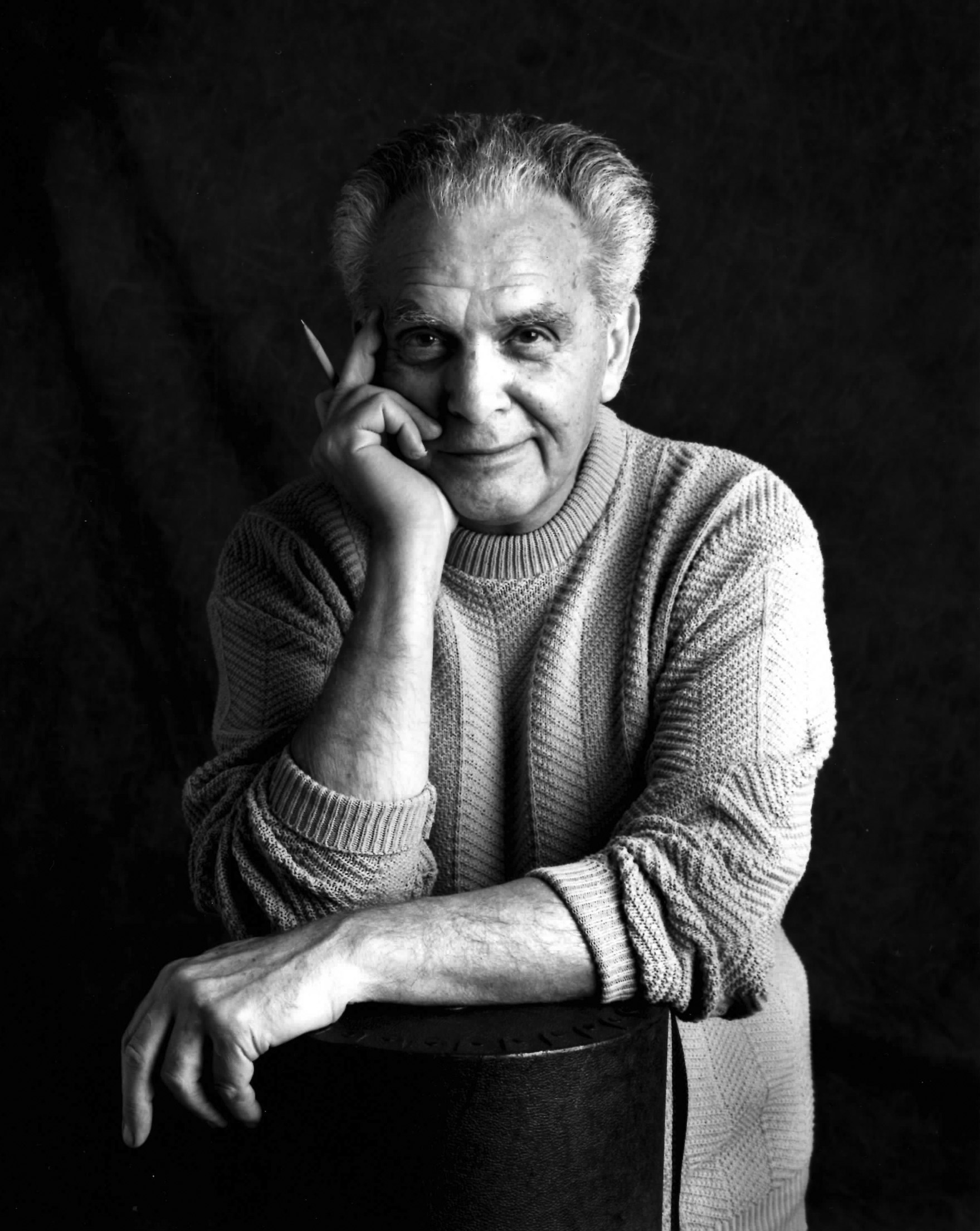
Unhappy with Marvel Comics at the time, having created a plethora of characters without copyright or creative custody over them, Kirby turned to rival publisher DC Comics with his sketches and designs for a new group of heroes and villains. It was one of the most consequential exits in comic book history. He wasn’t just switching employers. He was carrying a mythology with him.
The Fourth World is a metaseries of connected comic book titles written and drawn by Jack Kirby and published by DC Comics from 1970 to 1973. The overarching story centers around the mythology of the New Gods, ancient space deities from the planets New Genesis and Apokolips who bear similarities to the gods of Earthly religions. This was not a modest ambition. Kirby was building something closer to an American mythology from scratch, and he knew it.
As the newsstand distribution system for comics began to break down, Jack Kirby foresaw a day when comics would need to find alternate venues for sale. Toward this end, Kirby envisioned a finite series that would be serialized and collected in one tome after the series had concluded. That idea, a planned ending, a contained epic, was practically unheard of in mainstream comics at the time. It was the thinking of a filmmaker, not just a comic artist.
Four Titles, One Unfinished Vision
In late December 1970, Kirby officially launched his Fourth World line of comic books, including New Gods, Forever People, and Mister Miracle, with New Gods #1. A fourth title, Superman’s Pal Jimmy Olsen, served as an early staging ground. The central villain of the Fourth World series, Darkseid, and some of the Fourth World concepts appeared in Jimmy Olsen before the launch of the other Fourth World books, giving the new titles greater exposure to potential buyers.
Kirby saw the project as more of a line of comics he could oversee and assign to other writers and artists he respected, and the comics would be collected into basically early versions of what we consider trade paperbacks. Infantino, though, felt that the project was best suited to just having Kirby write and draw them himself, and DC just wasn’t prepared for bold new publishing initiatives like what Kirby hoped to do with the project. The compromise that resulted was creatively rich but institutionally constrained.
The original Fourth World concept was intended as part of a finite epic saga, but for reasons that have never been satisfactorily explained, was never brought to its ultimate fruition. The series was canceled before Kirby could deliver its conclusion. It’s one of the longest-running unresolved questions in comics history.
Darkseid: The Villain the Screen Needed
Created by writer-artist Jack Kirby, the character first made a cameo appearance in Superman’s Pal Jimmy Olsen #134 in December 1970, before being fully introduced in Forever People #1 in February 1971. From the very beginning, Darkseid felt different from other comic book villains. He wasn’t reactive or petty. He was philosophical, totalitarian, and patient in the most terrifying way.
Formerly known as Uxas, Darkseid is a New God and the tyrannical ruler of the planet Apokolips. His ultimate goal is to find and gain control over the Anti-Life Equation to enslave the multiverse by eliminating all hope and free will in sentient beings. The concept of a villain whose weapon is the destruction of free will, not armies or weapons, but the erasure of autonomy itself, is remarkable for the early 1970s.
Kirby modeled Darkseid’s face on actor Jack Palance and based his personality on Adolf Hitler and Richard Nixon. That combination of real-world inspiration and cosmic scale is exactly what made the character feel grounded and genuinely threatening rather than cartoonish. Given that Kirby was a Jewish American veteran of the Second World War who fought against Nazi Germany, his original vision for the Anti-Life Equation reflects his attempts to grapple with evil in the modern world.
The Concept Art That Never Made It to a Screen
The concept drawings Kirby used for his presentation to DC Comics in 1970, depicting characters in his Fourth World pitch, have been preserved through the Kirby Museum archives and The Jack Kirby Collector. The top row featured Darkseid and Metron on his Mobius Chair, the second row featured Orion and Lightray, and the third row featured Mister Miracle and Mantis. These drawings were not polished production designs. They were the raw visual language of an entire universe being invented in real time.
A color presentation piece featuring super escape artist Mister Miracle was created by Kirby in the late 1960s, and this character would subsequently headline his own series published by DC Comics. These early unpublished works give an unusually direct look at how Kirby conceptualized the Fourth World before it had a publisher or a production budget. For film historians and concept artists, they remain a kind of forbidden archive: real, tangible, and heartbreakingly cinematic.
The visual imagination on display in those pages, the crackling Kirby dots, the impossible machinery of Apokolips, the luminous geometry of New Genesis, was already thinking in widescreen. It’s not hard to look at them and see what a production designer could do with that material. The tragedy is that no production designer has ever been given the real chance.
The Ava DuVernay Moment
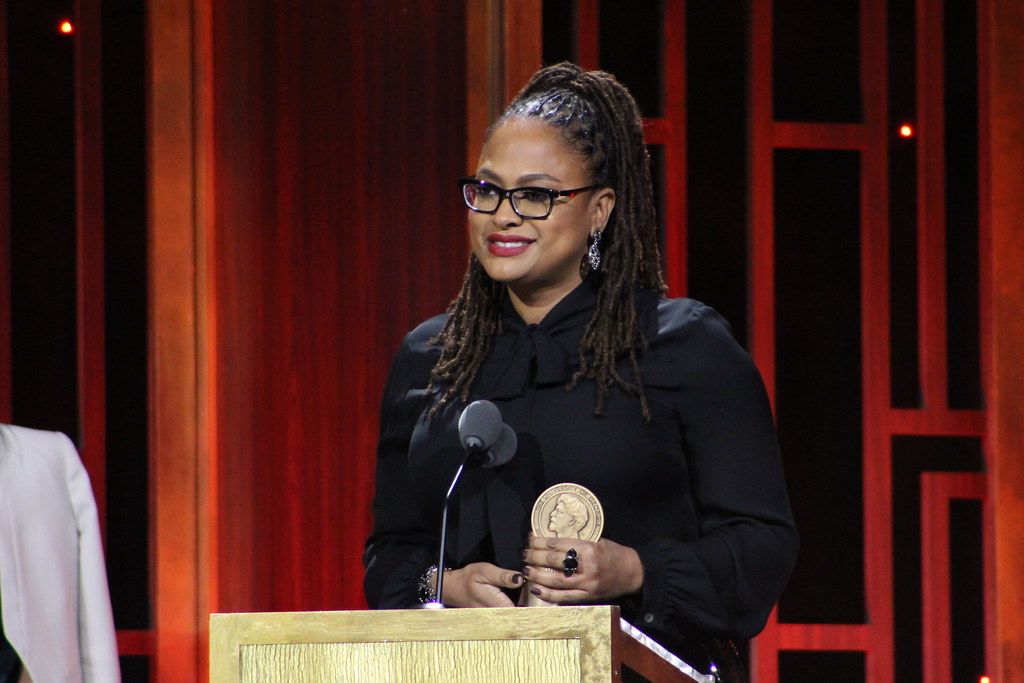
In March 2018, Ava DuVernay signed on to direct a film centered around the New Gods. Initially with a script written by Kario Salem, Tom King was later brought to co-write the film with DuVernay. It was arguably the most serious, best-resourced attempt to bring the Fourth World to cinema in the character’s history. DuVernay brought genuine credentials, and Tom King had already proven his deep understanding of the material through his celebrated Mister Miracle comic run.
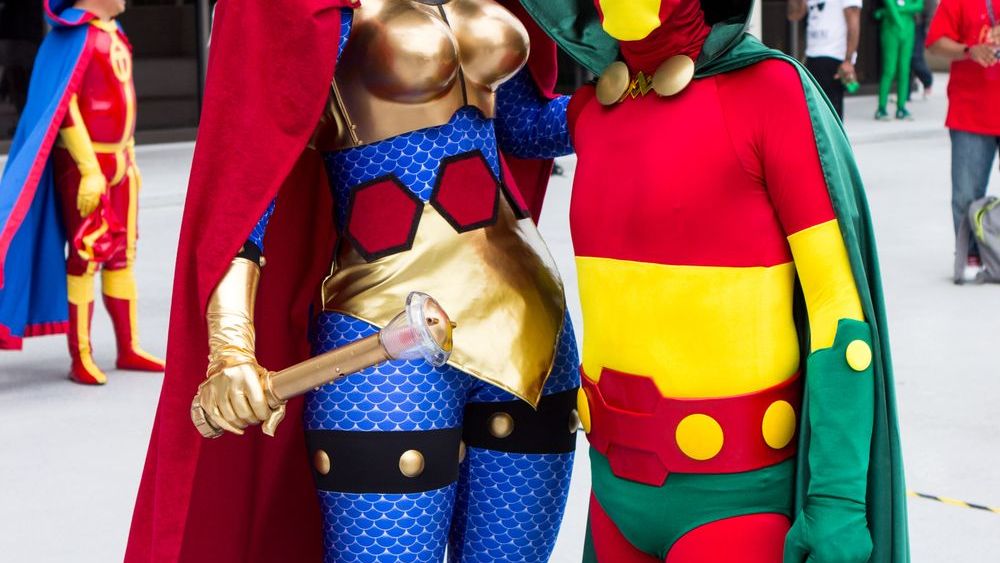
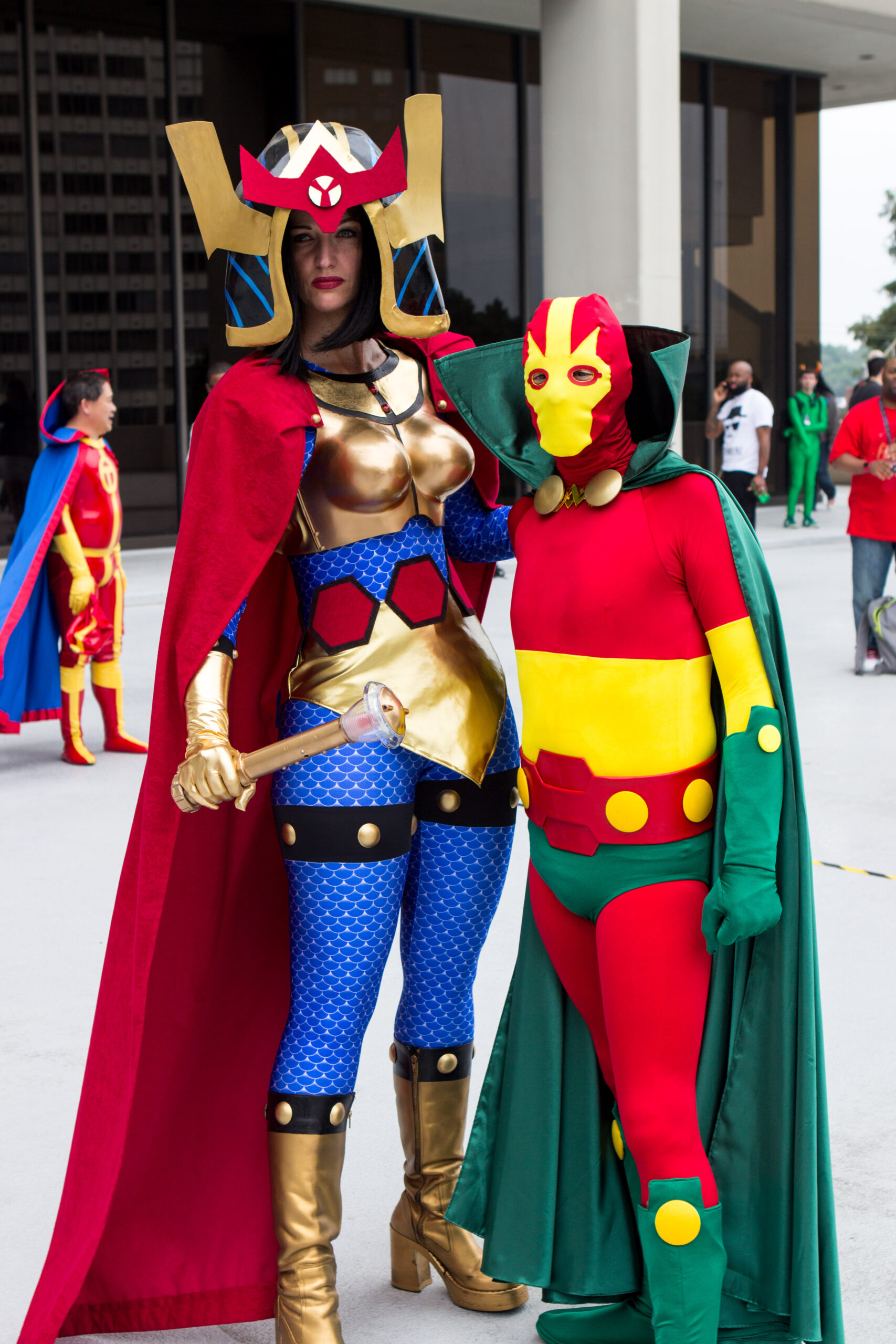
Mister Miracle and Big Barda, two New Gods who were raised on Apokolips but resisted Granny Goodness’ indoctrination, were set to be the film’s protagonists. The film was also set to introduce the Female Furies, a team of brainwashed superpowered beings, as antagonists. New Gods would have also introduced Highfather, the benevolent brother of Darkseid, and All-Widow, the Queen of New Genesis’ bugs, likely as allies to Miracle and Barda. The scope was there. The vision was there. The script was still being written.
The fourth draft of the script was ongoing in 2020. In December, DuVernay said that the COVID-19 pandemic had given her and King time to dig into the mind and musings of Jack Kirby. For a brief window, the project felt alive. Then it wasn’t.
Why It Was Canceled
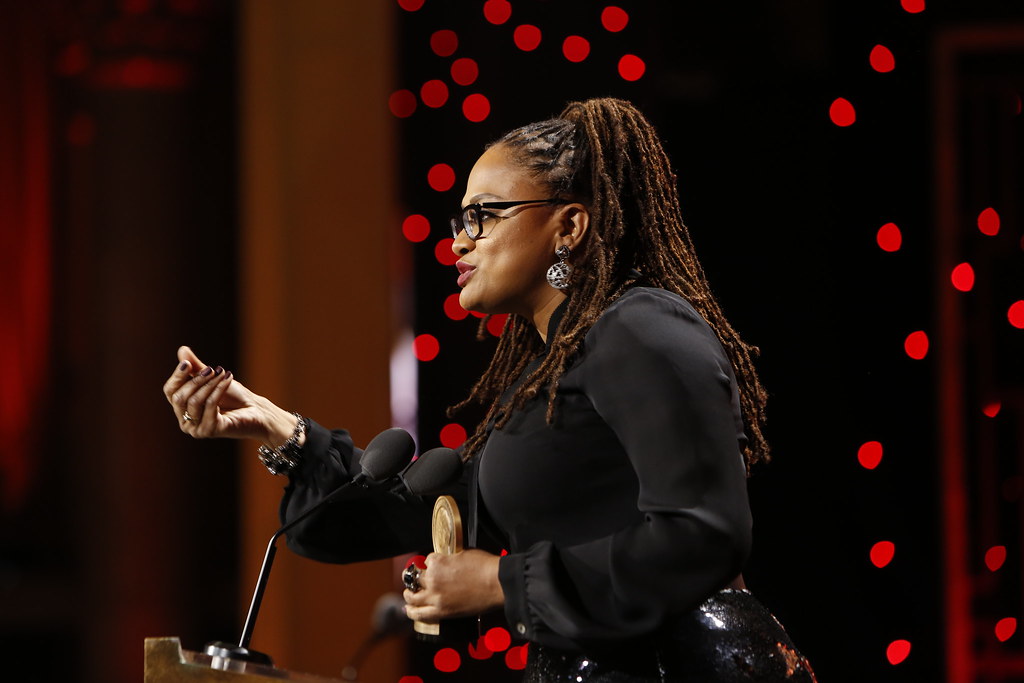
DC Films ultimately confirmed it was no longer developing New Gods, which had Ava DuVernay attached to direct. The official language was vague, pointing toward “evolving plans” within the DC slate. The real reason, as it gradually emerged, was more specific and frankly more frustrating.
Clues seemingly point to the other film in question being Zack Snyder’s Justice League, which introduced concepts from Jack Kirby’s Fourth World comics such as the hellish planet Apokolips, as well as characters like Darkseid, DeSaad, and Granny Goodness, which almost certainly would have featured even more prominently in DuVernay’s New Gods film. The problem wasn’t the quality of the work. It was a scheduling and continuity collision at the corporate level.
Warner Bros. officially canceled New Gods on April 1, two weeks after Zack Snyder’s Justice League premiered on HBO Max. It was during this same time that Warner Bros. asserted that it would not be continuing the continuity of the Snyder Cut going forward, so it’s possible that New Gods was cut as part of an effort to distance future DC projects from concepts that Snyder used in his film. A creative vision shaped by years of work was undone in the span of a press release.
What the Fourth World Would Have Meant for Hollywood
The timing of the New Gods project mattered beyond just this one film. New Gods would have put the first hundred-million-dollar-plus DC superhero project into the hands of a woman of color. That context is inseparable from any honest assessment of what was lost. It wasn’t just a movie about cosmic mythology. It was a structural shift in who gets to tell stories at that scale.
Avengers: Infinity War and Avengers: Endgame are the only two superhero films to surpass a two-billion-dollar worldwide gross, with Avengers: Endgame being the second highest-grossing film of all time. The genre can clearly sustain stories of enormous mythological scale when they’re handled with ambition and care. The Fourth World, with its warring planets, its philosophical villain, and its deeply human characters, was precisely that kind of material.
There’s an irony worth noting here. In 2024, the average worldwide box office revenue of superhero movies was roughly 453 million U.S. dollars. While that value represents an increase compared to the year prior, it has also halved since 2019, when it stood at over a billion dollars. As audience fatigue for familiar superhero formulas grows, the untapped originality of the Fourth World becomes more valuable, not less.
Kirby’s Legacy and the Blueprint Hollywood Ignored
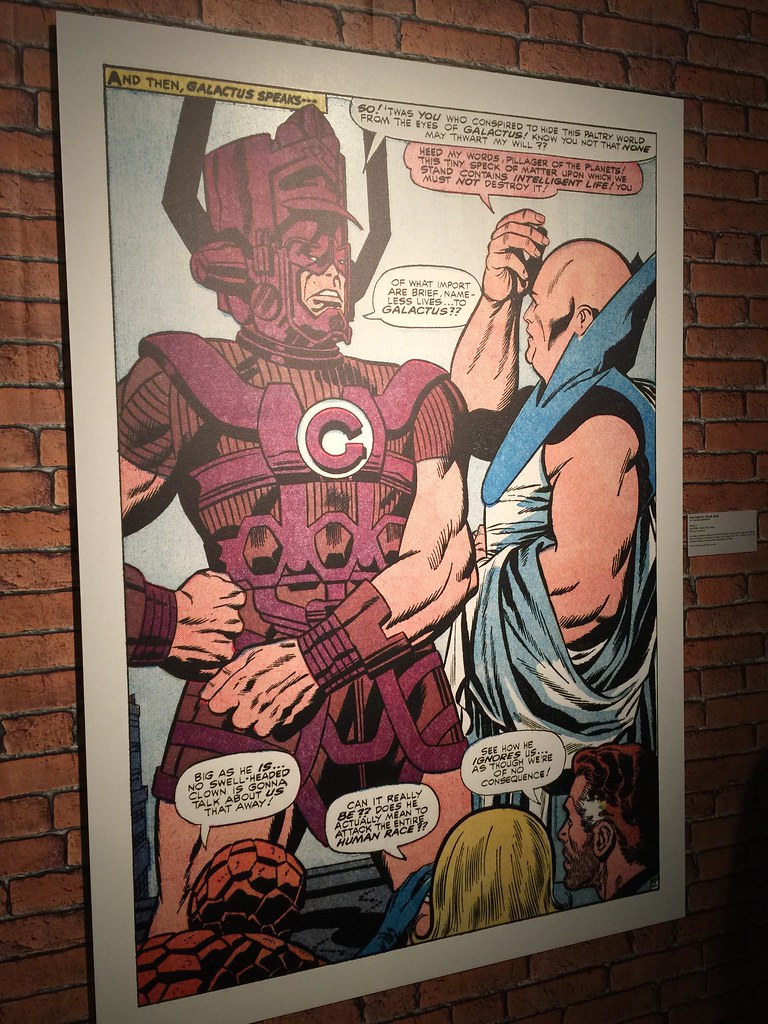
At DC, Kirby created his Fourth World saga which spanned several comics titles. While these series proved commercially unsuccessful and were canceled, the Fourth World’s New Gods have continued as a significant part of the DC Universe. Commercial failure in the early 1970s has to be understood in context. The direct market barely existed. The idea of a collected graphic novel was not yet standard practice. Kirby was ahead of the infrastructure needed to support what he was doing.
In his later years, Kirby, who has been called “the William Blake of comics,” began receiving great recognition in the mainstream press for his career accomplishments. In 2017, Kirby was posthumously named a Disney Legend for his creations not only in the field of publishing, but also because those creations formed the basis for the Marvel Cinematic Universe’s financially and critically successful media franchise. The MCU, with its interconnected mythologies, vast ensemble of characters, and long-form storytelling arc, reads today like a vindication of exactly what Kirby had been trying to do at DC half a century earlier.
The strong antiwar and anti-imperialist themes in Kirby’s Fourth World Saga are most prominent in Forever People and New Gods. By making the most powerful weapon in the universe a deeply anti-imperialist idea, rather than an object, Kirby imbued the Fourth World Saga with a sense of contemporary urgency. That urgency hasn’t faded. If anything, it reads more sharply now than it did in 1971.
The Question That Remains Open
In Hollywood, no idea is ever truly dead, and maybe in the future, fans will get to see DuVernay and King’s New Gods. That possibility remains technically alive, since Warner Bros. never closed the door entirely when it shelved the project. The New Gods was canceled in April 2021, though Warner Bros. stated that it could be revived in the future. Whether that ever materializes is a different question.
What’s already certain is the scale of what was nearly made. A film centered on Mister Miracle and Big Barda, featuring Darkseid as its philosophical engine, set against the cosmic war between New Genesis and Apokolips, written and directed with genuine love for Kirby’s source material. It would have been unlike anything else in DC’s filmography. That’s not promotional language. It’s just an honest accounting of the material.
Jack Kirby built something in those early 1970s pages that the film industry still hasn’t fully reclaimed. The concept art sits in archives and collector’s hands. The characters appear in other people’s films, used as supporting villains or cameo references. The full Fourth World mythology, given the screen time and creative respect it deserves, remains the great unmade epic of superhero cinema. Whether that changes depends less on the material, which has always been ready, and more on whether anyone in a position of power finally decides to trust it.