

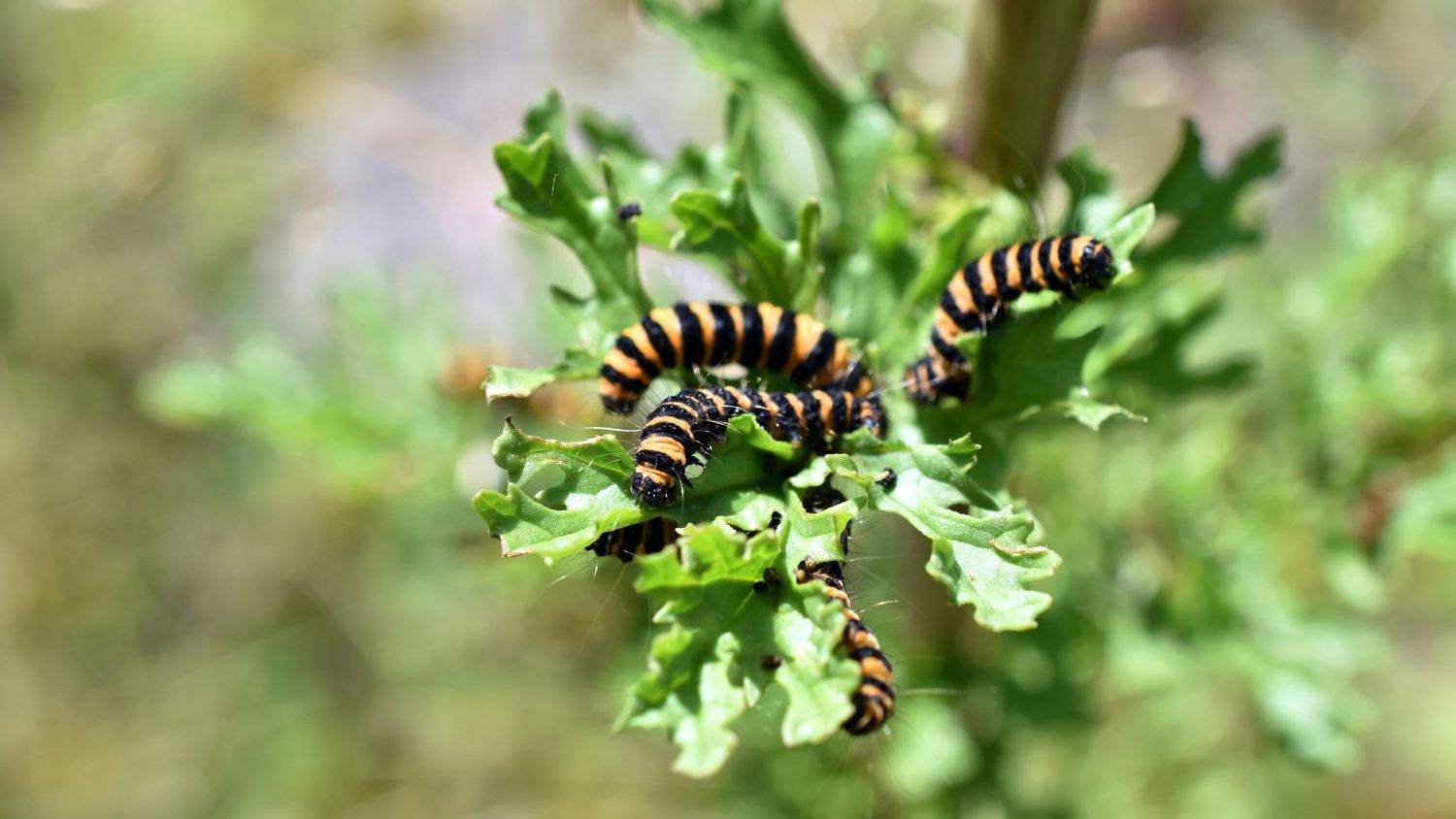
Oak trees are delaying spring to starve caterpillars – Image for illustrative purposes only (Image credits: Unsplash)
Oak trees possess an elegant survival mechanism against ravenous caterpillars. After enduring heavy infestations, they postpone the emergence of new leaves by a precise three days the following spring. This brief adjustment ensures that hatching larvae face an empty landscape, severely limiting their chances of survival.
The Mechanism Behind the Delay
Heavy caterpillar attacks in one season prompt oaks to alter their growth cycle. The trees hold back leaf expansion until conditions favor them more. Researchers observed this shift consistently in affected stands, where buds remained dormant longer than in unattacked counterparts.
This timing aligns perfectly with the life cycle of the pests. Caterpillars emerge from eggs shortly after winter, expecting tender foliage. The three-day postponement creates a critical mismatch, leaving the young insects without sustenance during their vulnerable early stage.
Devastating Effects on Insect Populations
The strategy proves brutally effective. Caterpillar survival rates plummet as starved larvae fail to develop. Populations crash dramatically, preventing the kind of explosive outbreaks that can strip branches bare.
Leaf damage drops by more than half in the subsequent season. Untreated trees suffer repeated devastation, while those employing the delay recover swiftly. This natural control spares the canopy from extensive harm without additional intervention.
Key Outcomes of the 3-Day Delay:
- Caterpillar survival slashed significantly
- Leaf damage reduced by over 50%
- No reliance on energy-intensive chemical production
- Sustained protection across multiple seasons
Superior to Chemical Countermeasures
Plants often produce toxins or toughen leaves to deter herbivores, but these defenses demand substantial resources. Oaks bypass such costs with their temporal tactic. The energy saved allows investment in growth and reproduction instead.
This approach highlights efficiency in evolution. Chemical barriers deplete reserves during stress, potentially weakening the tree further. In contrast, the delay leverages predictability in insect hatching, turning the calendar into a weapon.
Implications for Forest Ecosystems
Oak woodlands benefit from this built-in pest management. Balanced insect numbers support diverse wildlife, from birds to beneficial insects. Overreliance on chemical sprays in managed forests could disrupt such delicate equilibria.
Understanding this phenomenon offers lessons for conservation. Protecting mature oaks preserves these adaptive traits amid changing climates. As springs shift, the three-day window may evolve, underscoring nature’s ongoing ingenuity.
Foresters and ecologists now view oaks in a new light – not passive victims, but strategic players in their habitats.