

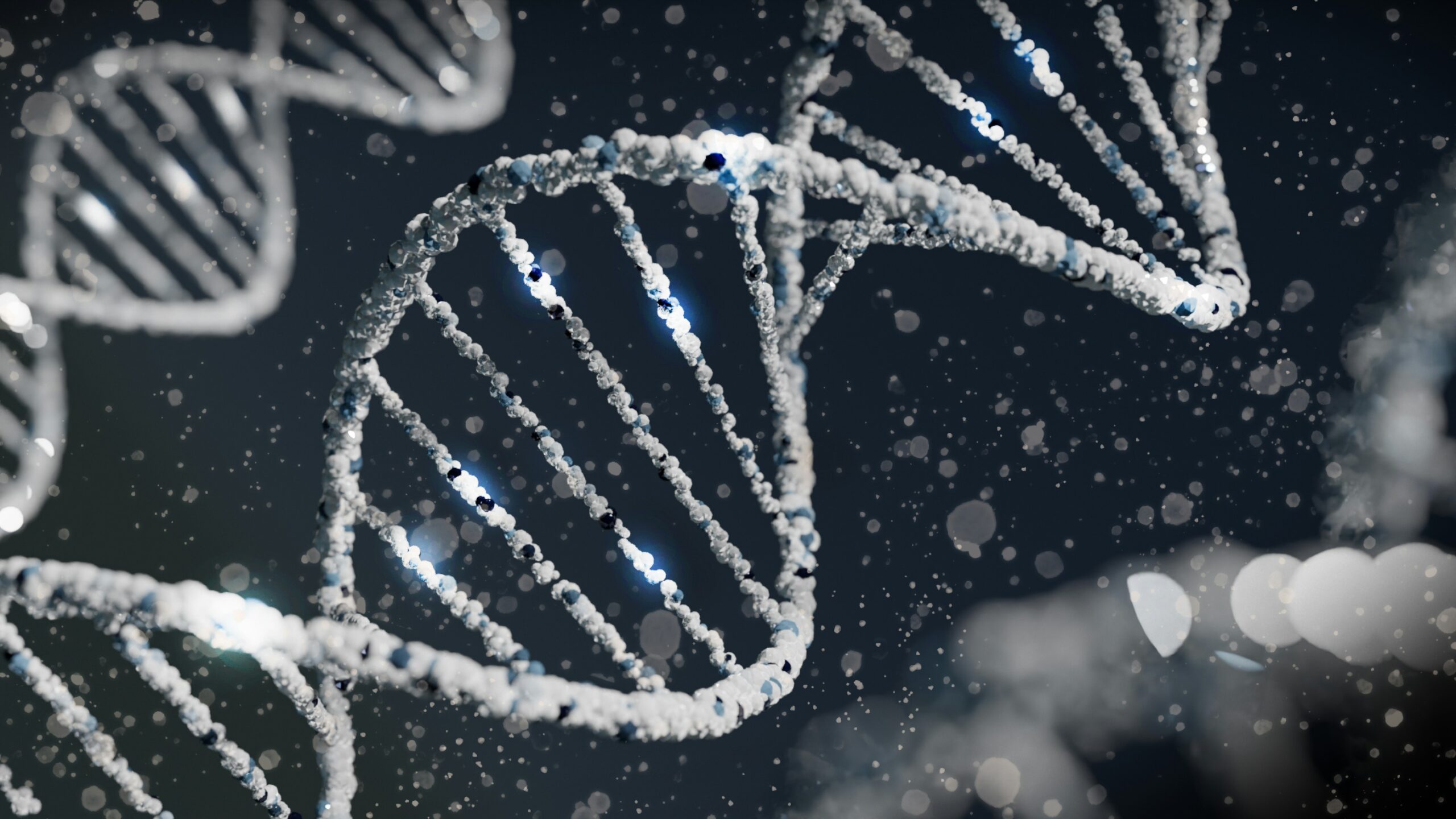
With large DNA fragment assembly, scientists can design microbes that produce countless complex products – Image for illustrative purposes only (Image credits: Unsplash)
Scientists have achieved a major leap in biotechnology by reliably assembling and integrating massive DNA fragments into microbes. This advancement, detailed in a review published in Quantitative Biology, simplifies the redesign of yeast and bacteria into highly efficient producers of complex substances. Entire biological pathways and even additional chromosomes can now be constructed and inserted, paving the way for scalable manufacturing of medicines, fuels, and specialty chemicals.
Large DNA Fragment Assembly: A Game-Changing Technique
Researchers previously faced significant hurdles when attempting to combine large segments of DNA. Traditional methods often led to errors or instability, limiting the scale of genetic modifications. The new approaches in large DNA fragment assembly overcome these challenges, enabling precise construction of DNA pieces that span thousands of base pairs.
This reliability stems from refined protocols that ensure fragments align and function correctly within host cells. Yeast and bacteria, with their well-understood genetics, serve as ideal platforms for these assemblies. The result allows scientists to build genetic structures far larger and more complex than before.
Building Whole Pathways and Extra Chromosomes
One of the most striking capabilities involves assembling complete biological pathways – sequences of genes that work together to produce specific molecules. These pathways can now be packaged into stable units and transferred into microbial hosts without disrupting native functions. Even more ambitiously, scientists can introduce extra chromosomes, providing microbes with expanded genetic capacity.
Extra chromosomes act like additional hard drives, storing and expressing foreign DNA independently of the cell’s original genome. This separation reduces interference and boosts stability. Such designs have proven viable in experiments, marking a shift from incremental tweaks to wholesale genomic overhauls.
Transforming Microbes into Cell Factories
Yeast and bacteria emerge from this process as optimized cell factories, churning out products with unprecedented efficiency. Natural limitations in microbial metabolism no longer constrain output; engineered strains outperform their wild counterparts in yield and speed. Large DNA fragment assembly makes these transformations routine rather than experimental.
The redesign process targets key bottlenecks, such as inefficient enzyme chains or poor substrate use. By inserting tailored pathways, cells convert simple feedstocks into high-value compounds. This positions microbes as versatile platforms for industrial biotechnology.
- Medicines: Complex pharmaceuticals that require multi-step synthesis.
- Fuels: Bio-based alternatives to fossil-derived energy sources.
- Chemicals: Specialty materials for manufacturing and agriculture.
Implications for Biotechnology’s Future
These developments promise to accelerate the shift toward sustainable production methods. Industries reliant on chemical synthesis may soon adopt microbial alternatives, cutting costs and environmental impact. Still, challenges like scaling production and regulatory approval remain.
The review highlights how large DNA fragment assembly democratizes advanced engineering. More labs can now pursue ambitious projects, from novel therapeutics to green fuels. Microbes, once simple model organisms, stand ready to power a new era of bio-manufacturing.