

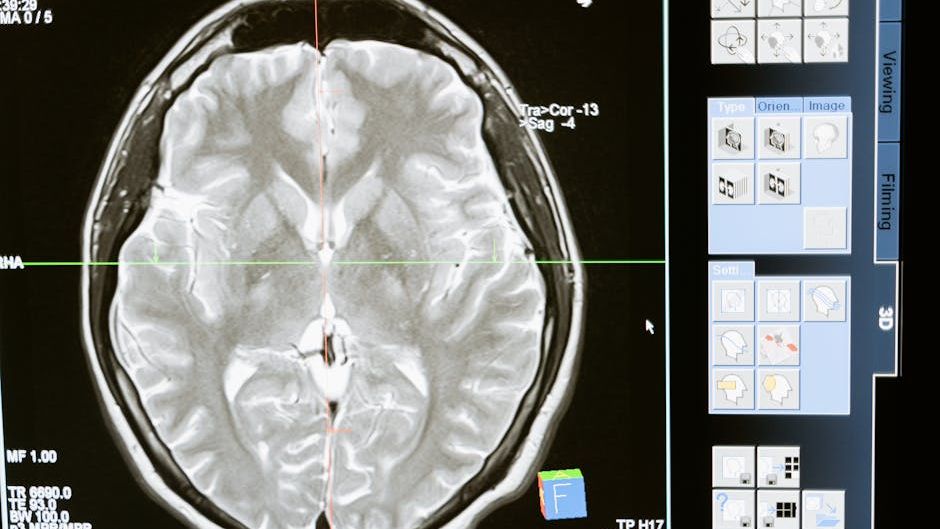
Lacunar strokes caused by widening of arteries in brain, study suggests – Image for illustrative purposes only (Image credits: Pexels)
Each year in the United Kingdom, around 35,000 individuals experience lacunar strokes, a subtype that represents roughly one-quarter of all strokes in the country. These events often strike silently in deep brain regions, leaving subtle yet profound effects. Researchers recently challenged the prevailing theory, proposing that these strokes stem not from clogged vessels but from an unexpected expansion within the brain’s arteries. The findings, detailed in a study released this week, could reshape approaches to prevention and care.
A Familiar Foe in Stroke Care
Lacunar strokes have long puzzled medical professionals due to their distinct characteristics. Unlike larger ischemic strokes caused by major vessel occlusions, these smaller incidents occur in the brain’s deeper structures, such as the basal ganglia or thalamus. Patients typically face milder initial symptoms, including weakness on one side or speech difficulties, but risks of recurrence and cognitive decline remain high.
Historically, experts attributed these strokes to the buildup of fatty plaques narrowing tiny arteries, much like in other ischemic events. This assumption guided standard treatments, including blood thinners and cholesterol-lowering drugs. Yet clinical outcomes often fell short, with many patients showing limited response to these interventions.
The New Hypothesis Emerges
The latest research upends this narrative. Investigators analyzed brain imaging and patient data, revealing that lacunar strokes correlate more closely with arterial enlargement rather than narrowing or blockage. These widened vessels, located in critical deep-brain areas, appear prone to rupture or altered blood flow dynamics, triggering the stroke.
Such dilation might arise from chronic high blood pressure or other vascular stresses, weakening vessel walls over time. The study highlighted patterns invisible under traditional assumptions, using advanced imaging to map these changes precisely. This shift explains the poor efficacy of plaque-targeting medications, as they address a mechanism not at play.
Why This Matters for Treatment and Prevention
Current therapies, designed to dissolve clots or stabilize plaques, simply miss the mark for lacunar cases. Blood pressure management emerges as potentially more vital, given its role in vessel integrity. Researchers emphasized that while antiplatelet drugs like aspirin offered some benefit in broader stroke populations, their impact here proved negligible.
Prevention strategies may need recalibration. Lifestyle measures targeting hypertension – such as diet, exercise, and medication adherence – could gain renewed focus. For those at risk, regular monitoring of deep-brain vessels might detect early widening, allowing timely intervention before a stroke occurs. The study underscores gaps in routine screening, where standard scans often overlook these subtle shifts.
Broader implications extend to clinical trials. Future designs should prioritize arterial dilation as a primary endpoint, testing drugs that strengthen vessel walls or reduce pressure surges. This could lead to tailored protocols, improving outcomes for the tens of thousands affected annually.
Path Forward Amid Ongoing Questions
While promising, the findings invite further scrutiny. The research team called for larger, prospective studies to confirm causality and explore genetic or lifestyle contributors to arterial changes. Not all lacunar strokes fit this model perfectly, suggesting mixed mechanisms in some patients.
Medical communities responded with measured optimism. Neurologists noted the study’s alignment with anecdotal evidence from autopsies and advanced MRIs. As guidelines evolve, patients stand to benefit from more precise diagnostics and therapies.
This discovery reminds us how much remains to uncover in stroke science. With lacunar events comprising a significant burden, refining our understanding promises real gains in reducing disability and enhancing recovery.