

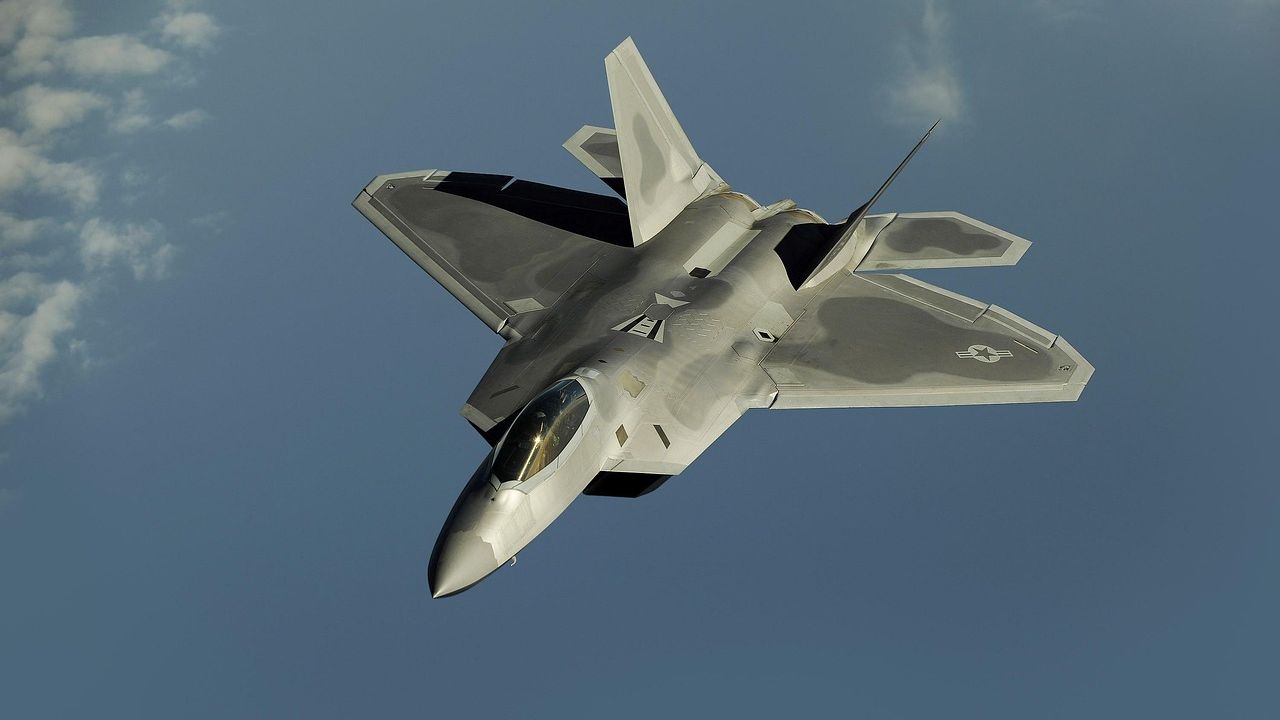
The Latest: US military fires on Iranian-flagged oil tanker as Trump presses for deal to end war – Image for illustrative purposes only (Image credits: Pixabay)
Gulf of Oman — A U.S. fighter jet struck an Iranian-flagged oil tanker on Wednesday, disabling its rudder as the vessel attempted to run the American blockade of Iran’s ports. The military action unfolded against the backdrop of a fragile ceasefire between Washington and Tehran, even as negotiations edged toward a potential agreement to halt the two-month conflict. President Donald Trump amplified the pressure with public threats of escalated bombing unless Iran complies with U.S. terms, including reopening the vital Strait of Hormuz.
The Gulf Confrontation Unfolds
American forces detected the tanker moving toward restricted waters in the Gulf of Oman. U.S. Central Command reported issuing repeated warnings to the ship before the fighter jet intervened precisely, targeting the steering mechanism to halt its progress without sinking the vessel.
This marked a rare direct engagement during the ceasefire period that began in early April. The incident underscored the ongoing enforcement of the blockade, which has choked off Iran’s oil and gas exports and disrupted global energy flows. Military officials emphasized that the tanker ignored protocols designed to prevent breaches amid heightened tensions.
Details emerged quickly via social media posts from U.S. Central Command, highlighting the operation’s success in maintaining the naval cordon without broader escalation. Iran has not yet issued an official response to the event.
Trump’s High-Stakes Ultimatum
President Trump took to social media the same day to signal optimism about ending the war while delivering a blunt warning. He suggested an agreement was within reach, one that would restore shipments through the strait, but conditioned it on Iran’s acceptance of unspecified terms.
“If they don’t agree, the bombing starts,” Trump wrote, evoking memories of earlier intense airstrikes. Speaking at a White House event, he described Iranian leaders as eager for a deal “satisfactory to us,” adding that failure to agree would lead to prompt consequences. Trump characterized the blockade as a “wall of steel,” a lever to force concessions on nuclear activities and regional behavior.
White House sources indicated proximity to a one-page memorandum outlining a uranium enrichment moratorium, sanctions relief, release of frozen funds, and strait access. No confirmation has followed, leaving the proposal’s viability in doubt.
Israel Enters the Fray, Allies Rally
Across the region, Israel launched its first strike on Beirut’s southern suburbs since the April 17 ceasefire with Hezbollah. The unannounced attack targeted a commander in the group’s Radwan Force, according to Prime Minister Benjamin Netanyahu’s office. Sporadic clashes have persisted in southern Lebanon despite the truce.
The United Arab Emirates pressed the United Nations for action against Iran, citing a May 4 assault on its territory with missiles and drones that ignited energy infrastructure. UAE Ambassador Mohamed Abushahab urged Security Council enforcement of a prior resolution demanding Iran cease attacks and reopen the strait. A new U.S.-backed draft under Chapter 7 of the U.N. Charter loomed, potentially authorizing sanctions or force.
France repositioned its Charles de Gaulle carrier toward the Red Sea in support of a multinational effort to secure shipping lanes. Separately, a French-operated cargo ship reported damage and crew injuries from an attack in the strait, further illustrating the perils for commercial traffic.
Global Ripples and Shipping Strains
The blockade has slashed tanker traffic through the Strait of Hormuz, where 20% of global crude once flowed. Companies like Germany’s Hapag-Lloyd faced weekly losses exceeding $60 million from rerouting, soaring insurance, and fuel costs. Iran demanded vetting and fees via its Revolutionary Guards, a group sanctioned as terrorists by the U.S. and EU, trapping shippers in a dilemma.
Analysts warned of prolonged caution in energy markets until risks subside. Iran’s Foreign Minister Abbas Araghchi visited Beijing ahead of Trump’s summit there, discussing the strait, nuclear issues, and sanctions. China called for a comprehensive ceasefire, leveraging its ties with Tehran.
- Oil traders await tanker flows as the true test of de-escalation.
- Alternate routes strain under demand, delaying normalization.
- Diplomatic overtures, from U.N. resolutions to Beijing talks, vie for influence.
These developments highlight the precarious balance between military posturing and diplomatic maneuvering, with the strait’s fate central to any resolution.