


What Unix Time Actually Is – and Why It Has a Hard Limit

Time, on most computers, isn’t stored as a calendar date. Many computer systems measure time using Unix time, an international standard for digital timekeeping defined as the number of seconds elapsed since 00:00:00 UTC on 1 January 1970, known as the Unix epoch. That single reference point – midnight, New Year’s Day, 1970 – became the foundation upon which much of the world’s digital infrastructure was quietly built.
Unix time has historically been encoded as a signed 32-bit integer, and a signed 32-bit integer can only represent integer values from negative 2 to the 31st power up to 2 to the 31st power minus one. If that format is used to store Unix time, the latest time that can be stored is 2,147,483,647 seconds after the epoch, which corresponds to 03:14:07 UTC on 19 January 2038. After that, there is simply no room left in the container.
When the data type’s maximum value is surpassed, the integer will overflow to its minimum value, which systems will interpret as in the past. The result isn’t a graceful freeze. It’s a time machine pointed at 1901.
The Exact Moment of Overflow: What Happens at 03:14:08

In binary arithmetic, adding one to the maximum positive value of a signed integer causes overflow. The value wraps to the minimum negative value: negative 2,147,483,648. This negative timestamp, when converted back to a date, places it 2,147,483,648 seconds before the epoch, which is December 13, 1901. For any system still relying on that format, the clock doesn’t just stop – it reverses by 137 years in a single second.
On January 19, 2038, at 03:14:07 UTC, the number will reach its maximum value of 2,147,483,647 seconds and overflow, becoming negative, and causing computers to “teleport” from January 2038 back to December 13, 1901. In some cases, however, shorter “time travel” might happen – to point zero, which is the year 1970.
Systems interpreting this date could experience failures ranging from incorrect sorting and calculations to complete crashes. The difference between those two outcomes depends entirely on how critical the system’s reliance on accurate timestamps is – and many critical systems depend on them completely.
How Deep Does the Vulnerability Actually Run?
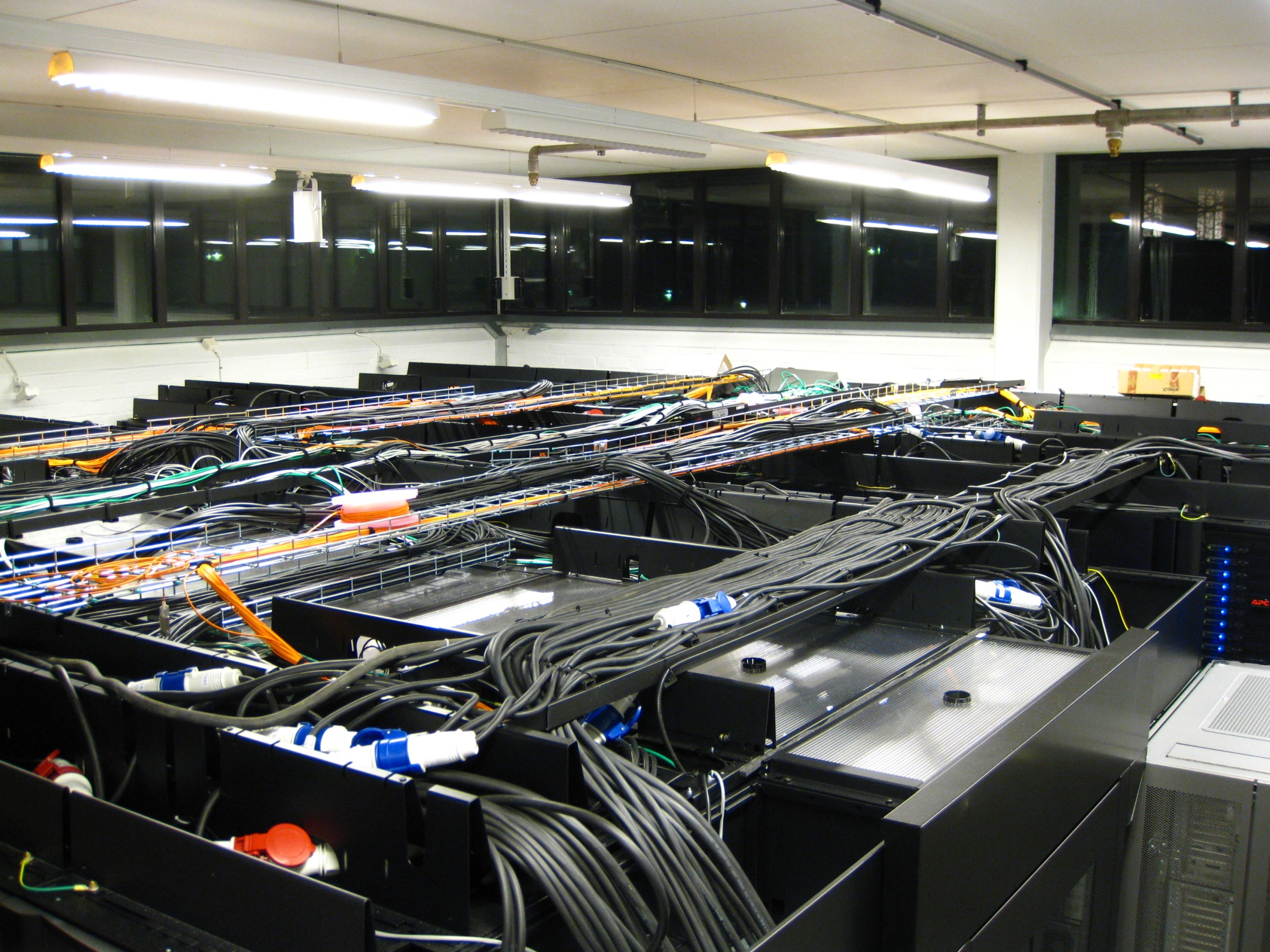
This event could lead to failures in systems that still use 32-bit time representation – from POS terminals, embedded systems, and routers, to automobiles and industrial equipment. That’s an extraordinarily wide net. The problem isn’t isolated to old mainframes collecting dust; it lives inside modern industrial and commercial equipment that’s actively in use right now.
Modern file systems like ZFS, F2FS, NTFS, and ReFS were designed with 64-bit timestamps, while older systems like ext2 and ext3 remain vulnerable. Ext4 and XFS require specific flags to be enabled, and might need offline conversion of existing filesystems. Even within the same operating environment, individual components can carry the vulnerability while others don’t.
The TIMESTAMP type in MySQL is fundamentally limited to the year 2038, and requires migration to DATETIME, while the standard timestamp types in PostgreSQL are safe. Database inconsistencies like this one mean that organizations running mixed database environments could face unpredictable, hard-to-diagnose failures concentrated in the same short window.
Embedded Systems: The Hardest Part of the Problem
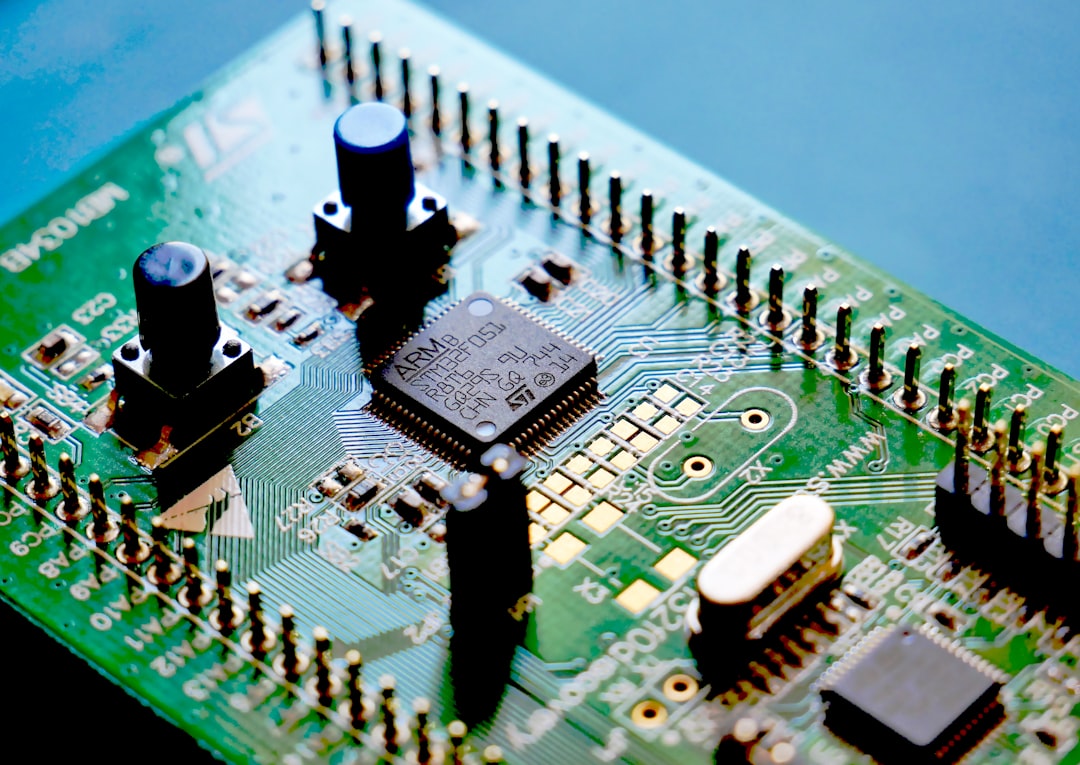
Despite the modern 18 to 24 month generational update in computer systems technology, embedded systems are designed to last the lifetime of the machine in which they are a component. It is conceivable that some of these systems may still be in use in 2038. It may be difficult or, in some cases, impossible to upgrade the software running these systems, ultimately requiring replacement if the 32-bit limitations are to be corrected.
Many of these devices were designed for 20 to 30 year lifespans, meaning equipment installed in the 2010s will still be operational in 2038. Upgrading or replacing these systems represents a massive logistical and financial challenge. This isn’t theoretical planning: the hardware is already deployed, already aging, and already on a collision course with 2038.
Many transportation systems, from flight to automobiles, use embedded systems extensively. In automotive systems, this may include anti-lock braking systems, electronic stability control, traction control, and automatic four-wheel drive; aircraft may use inertial guidance systems and GPS receivers. The overlap between timestamp reliability and physical safety systems is not a comfortable one.
Critical Infrastructure: Power, Water, and Industrial Controls
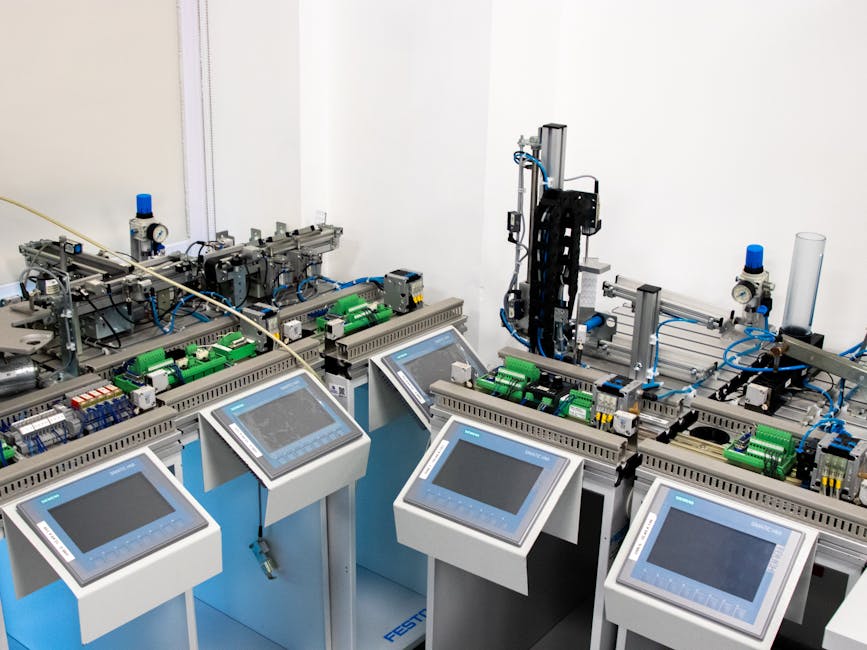
Embedded systems in infrastructure are particularly concerning. Water treatment facilities, power grid controllers, transportation systems, and telecommunications equipment often use 32-bit processors and run software that may not be updated for decades. A widespread failure of these systems in 2038 could cause disruptions to essential services, making identification and remediation critical to public safety.
Unlike consumer devices, which seem to be shipped with programmed obsolescence and frequently replaced, industrial control systems are meant to work for decades. Along with the fact that they control cyber physical processes and are often deployed in our critical infrastructure, this creates an additional concern.
Potential failures include glitches in processing card payments, false alarms from security systems, incorrect operation of medical equipment, failures in automated lighting, heating, and water supply systems, and many more or less serious types of errors. Individually, some of those may sound manageable. Simultaneously, across interconnected infrastructure, the picture changes.
The 2038 Problem as a Security Vulnerability – Right Now

The Year 2038 problem is not a future concern. It is already recognized in official security advisories and CVE databases. In 2025, CERT@VDE published the first confirmed Y2K38-related vulnerabilities affecting WAGO industrial devices used in critical infrastructure. These are not hypothetical warnings – they are documented, real-world weaknesses already being catalogued by security agencies.
Both advisories describe an integer overflow in the internal time handling of those devices. When the 2038 limit is reached or intentionally triggered, systems show malfunctioning control behavior or produce invalid log timestamps. CERT@VDE also notes that these weaknesses can be activated deliberately, for example through manual date changes or manipulated NTP signals.
Shortly afterward, the U.S. cybersecurity agency CISA documented a further Y2K38-related vulnerability in tank-gauging systems from Dover Fueling Solutions, rated with a CVSS score of 8.2 and classified as a critical flaw. A forged system time can force the 2038 overflow and disrupt fuel monitoring and leak detection – a clear demonstration that Y2K38 can be used as an attack vector in real industrial environments.
It Has Already Happened: Early Warning Signs
Some applications that use future dates have already encountered the bug. In May 2006, reports surfaced of an early manifestation of the Y2038 problem in the AOLserver software. That first real-world failure happened more than 18 years ago, yet the underlying vulnerability it exposed has never been fully remediated across the broader ecosystem.
Starting around 2013, users of 32-bit Android devices reported system-wide crashes when manually setting the device clock to 03:14:07 UTC on January 19, 2038, leading to freezes, vibrations, and automatic reboots. By 2020, developers encountered app crashes in date picker components when selecting dates after 2038, as the underlying 32-bit time APIs rejected or overflowed the input values. These incidents highlighted how even non-overflow scenarios could trigger failures in unpatched 32-bit applications.
A large retailer experienced an outage due to a certificate authority calculating dates beyond 2038 when issuing 10-year certificates. The glitch didn’t wait for 2038 to arrive. The moment the system projected forward past the deadline, it broke.
How It Compares to Y2K – and Why It’s Harder

The 2038 problem is similar to Y2K in that both involve date-related computer limitations. However, Y2K was about 2-digit year storage, a programming practice issue, while 2038 is about fundamental data type limitations, specifically 32-bit integer overflow. Y2K affected application code; 2038 affects operating systems, embedded devices, and core system libraries.
Both are time-representation bugs that require wide coordination to fix and can affect critical infrastructure. The key difference is that Y2K often required data and configuration fixes, while Y2K38 often requires ABI and kernel and libc changes, recompilation or hardware and firmware updates – making it technically harder in some stacks. In practical terms, patching an application config is far simpler than replacing the firmware in a hospital ventilator.
Public awareness is lower than it was before Y2K, but the community has more lead time and many core projects have already implemented fixes. The gap between awareness and action, though, remains the central concern for the systems that matter most.
What the Open-Source and Software World Is Actually Doing

The Linux kernel added support for 64-bit time even on 32-bit architectures starting with version 5.6 in 2020, and 64-bit Linux was always protected from this issue. The BSD family, macOS, and iOS use 64-bit time on all modern devices. For mainstream computing, the core-level fix has been available for years.
Debian Experimental began its package rebuilds for its 64-bit time_t transition to ensure 32-bit architectures running Debian Trixie will be able to operate past the Year 2038. The focus is primarily on 32-bit ARM but other 32-bit architectures are affected as well. The 64-bit time_t transition involves more than 1,200 library packages that may have ABI breakage as a result of changing the data type. Debian and Ubuntu developer Steve Langasek called this the largest cross-archive ABI transition ever for Debian.
As of MariaDB 11.5.1, released in May 2024, the TIMESTAMP data type and related functions handle unsigned 32-bit values on 64-bit versions of Linux, macOS, and Windows, extending the range to February 7, 2106, while staying fully compatible with existing user data. Progress is being made. The concern is whether it covers everything before the clock runs out.
The Remaining Risk and the Road to 2038
While substantial progress has been made in mainstream computing, declaring the Year 2038 problem “solved” would be premature and potentially dangerous. Continued vigilance, comprehensive auditing, targeted testing, and strategic migration efforts remain essential, particularly for critical infrastructure, long-lived embedded systems, and legacy software environments.
The recommended roadmap looks like this: from now through 2030, continue migration, testing, and identifying vulnerable inventory. From 2030 to 2035, escalate remediation for remaining legacy, embedded, and unpatched systems. From 2035 to 2038, finalize replacements for systems that can’t be patched and run thorough failover and contingency tests. On January 19, 2038, the overflow occurs for unmitigated 32-bit time_t systems.
Volunteer Robin Downs of the National Museum of Computing has spoken to experienced C programmers who were unaware of the potential problems. He believes that systems currently being built and designed to last more than ten years mean that the risks remain real. New vulnerable devices are, in other words, still entering service today.
What Organizations Need to Do Before It’s Too Late

Financial services, healthcare, manufacturing, transportation, and utilities face the highest risk because they rely heavily on embedded systems and legacy infrastructure. Banks processing long-term mortgages and bonds, hospitals with medical devices designed for decades of use, factories with industrial control systems, and power plants with monitoring equipment all need to address this issue.
While the root cause of the error is simple and clear, fixing it will require extensive and systematic efforts on every level – from governments and international bodies down to organizations and private individuals. The fix is technically well understood. The challenge is organizational will, budget allocation, and the sheer scale of what needs to be audited.
The Year 2038 problem is a tangible consequence of past design choices meeting the relentless forward march of time. While the technical solution is known, its successful implementation requires sustained effort, careful planning, and a realistic assessment of risks across the entire computing spectrum, particularly in the often-overlooked areas of embedded and legacy systems.
Conclusion: Twelve Years Is Not as Long as It Sounds

The Year 2038 problem is not an abstraction. It’s a countdown. Modern 64-bit computers running current operating systems are generally safe – a 64-bit signed integer can represent dates until the year 292,277,026,596, effectively solving the problem forever. But that safety doesn’t extend to the millions of devices running in industrial plants, hospital wards, and civil infrastructure that will never be upgraded in time.
The parallel to Y2K is useful, but only up to a point. Y2K was visible, it had a public face, and it triggered one of the most coordinated global software remediation efforts in history. The 2038 problem, so far, has generated far less urgency despite being, in some ways, the harder technical problem to solve at scale.
Twelve years is enough time to act decisively. It is not enough time to procrastinate and then scramble. The systems most at risk are the ones no one thinks about until they stop working – and for some of them, a timestamp rollback to 1901 won’t be a bug report. It will be an emergency.