

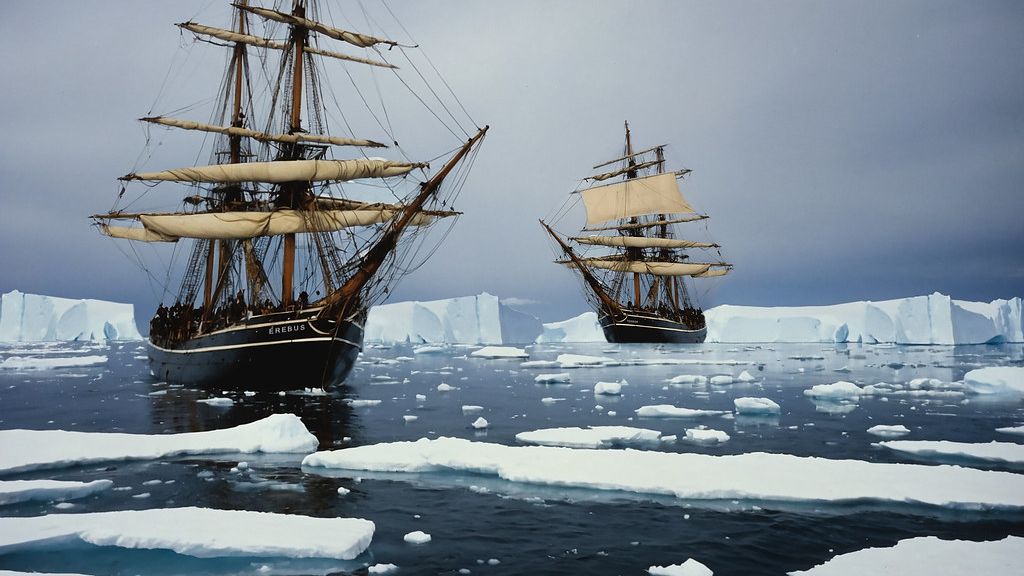
More doomed Franklin expedition sailors identified, revealing clues about how they tried to find safety – Image for illustrative purposes only (Image credits: Flickr)
Researchers have used genetic material from living descendants to confirm the identities of four sailors who perished during the ill-fated 1845 Franklin expedition. The findings resolve long-standing questions about specific remains recovered from the Arctic and shed light on the final desperate efforts of the crew to reach safety. This latest work brings the total number of identified expedition members to six and underscores how modern science continues to unlock details from one of history’s most enduring maritime mysteries.
Century-Old Debate Settled
One of the newly identified sailors had been the focus of speculation for more than a hundred years. Researchers at the University of Waterloo matched DNA extracted from skeletal remains with samples provided by living relatives, producing exact genetic links in each case. The confirmation ends a prolonged discussion among historians and archaeologists about who the individual might have been and where he fit within the expedition’s tragic timeline.
The other three identifications also align with known events from the voyage. All four men belonged to the group that abandoned the ships after they became locked in ice for nearly two years. Their remains were found along the route the survivors took in a final attempt to reach the mainland.
Clues to the Escape Attempt
The identifications reveal that three of the sailors served aboard HMS Erebus and died near Erebus Bay on King William Island. The fourth came from HMS Terror and was located farther along the escape path. These locations suggest the men were part of the main party that dragged boats and supplies across the ice in April 1848.
Earlier DNA work had already identified two other crew members, including an engineer from Erebus. The new matches strengthen the picture of how the expedition’s survivors organized their retreat and where different groups ultimately fell. DNA samples from descendants proved essential, as they allowed researchers to establish direct familial connections that traditional records alone could not provide.
Why These Matches Matter
Each confirmed identity adds a human dimension to the expedition’s story. Historians now know more about which specific crew members reached certain points before succumbing to the harsh conditions. The data also helps map the sequence of events during the final months, when 105 men set out from the ships in a bid for survival.
University of Waterloo anthropologists noted that the genetic distance in the matches was zero, offering strong proof of shared ancestry. Such precision has become possible only through advances in both DNA analysis and genealogical research that connect modern families to 19th-century naval records.
Looking Ahead
With six sailors now identified, researchers plan to continue testing additional remains found across the Arctic sites. The same approach that yielded these latest results could eventually name more of the 129 men who never returned. Each new identification brings the expedition’s story closer to completion while honoring the individuals who took part in one of the most ambitious yet tragic voyages of the Victorian era.