

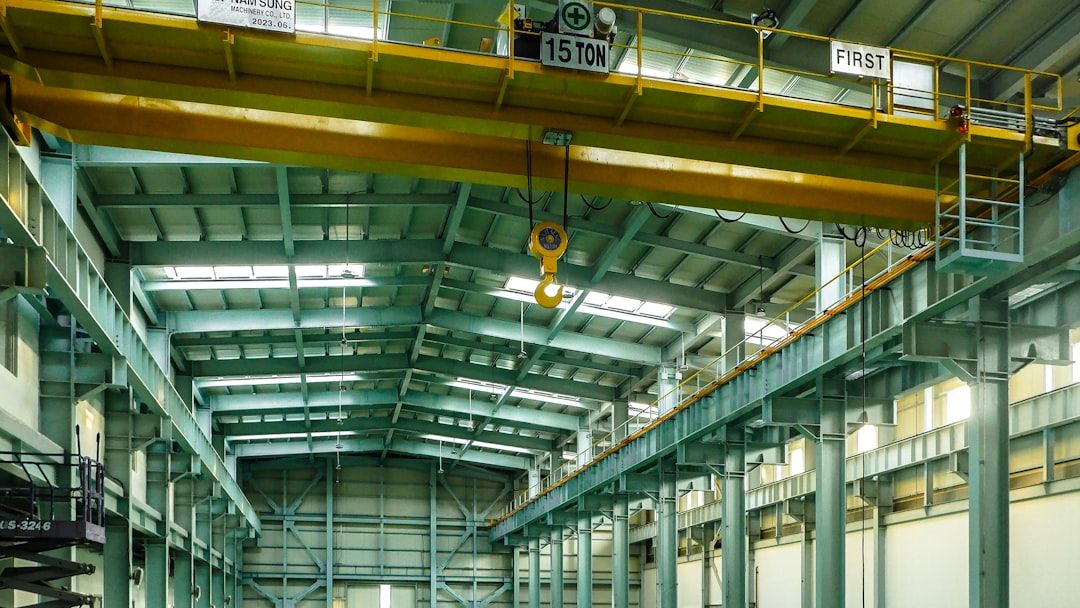
Europe’s quest for green steel – Image for illustrative purposes only (Image credits: Unsplash)
The foundations of modern steel production trace back to a pivotal encounter in 1872. While traveling through Europe, industrialist Andrew Carnegie met inventor Henry Bessemer, whose earlier work during the Crimean War had led to a practical method for refining iron. By blowing air through molten iron to strip away impurities, Bessemer created a faster route to high-quality steel that supported rapid industrial expansion across the continent and beyond.
The Bessemer Breakthrough
Bessemer’s accidental discovery occurred amid wartime demands for stronger materials. The process relied on a simple yet effective principle: oxygen from the air reacted with carbon and other elements in the molten iron, generating heat and removing unwanted components. This approach replaced slower, more labor-intensive techniques that had limited output for centuries.
Carnegie’s interest in the method reflected broader European and American ambitions at the time. Steel became essential for railways, bridges, and machinery, driving economic growth. Bessemer refined his invention further after the initial breakthrough, securing patents and licensing the technology widely.
From Efficiency Gains to New Pressures
Early steelmaking advances delivered clear benefits in speed and scale. Yet the same chemical reactions that enabled those gains also released substantial carbon dioxide as a byproduct. Over time, the cumulative effect of such emissions from steel plants contributed to larger environmental concerns that now shape industry priorities.
European manufacturers have long operated under tightening regulations aimed at lowering overall greenhouse gas output. The historical reliance on carbon-intensive processes has prompted a reevaluation of how steel is produced, with attention turning to methods that maintain quality while reducing atmospheric impact.
Exploring Lower-Emission Approaches
Current research focuses on alternatives that replace or supplement traditional blast furnaces. Options under active study include hydrogen-based reduction of iron ore and greater use of electric arc furnaces powered by renewable sources. Each route carries distinct technical and economic considerations that require careful testing before widespread adoption.
Uncertainty remains around the full lifecycle costs and infrastructure needs for these newer techniques. Pilot projects continue to assess whether they can deliver steel at competitive prices while achieving meaningful emission cuts. Progress depends on coordinated efforts among governments, research institutions, and producers to address remaining technical hurdles.
Looking Ahead
The steel sector’s evolution shows how past innovations created both opportunity and challenge. Europe’s focus on greener production methods builds directly on that legacy, seeking solutions that align industrial strength with environmental goals. Continued experimentation will determine which approaches prove viable at scale.