

The Ultradian Rhythm: Your Brain’s Built-In Timer
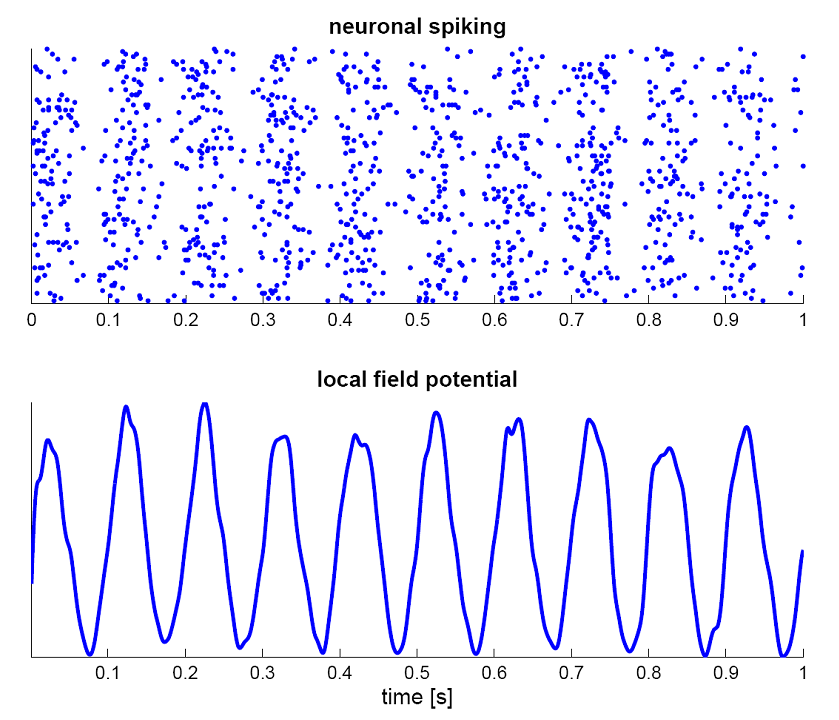
The brain operates on what scientists call the ultradian rhythm, a natural cycle that repeats roughly every 90 minutes. This isn’t a motivational concept. It’s a measurable, biological pattern that governs both sleep and waking life. The fundamental insight is that the brain is not designed for continuous high-output performance but rather for rhythmic oscillation between intense focus and genuine recovery. Most productivity culture simply ignores this, and that’s where the problem starts.
The basic rest-activity cycle, a physiological arousal mechanism proposed by researcher Nathaniel Kleitman, is empirically an ultradian rhythm of approximately 90 minutes characterized by different levels of excitement and rest. When awake, brainwaves are faster during the first half of the cycle, corresponding to feeling alert and focused, while during the last 20 minutes brainwaves slow and the body feels dreamy or tired – the phase where the body is being readied for the alertness that comes at the beginning of the following cycle. In other words, those final drowsy minutes aren’t a failure. They’re preparation.
Sleep Science and the 90-Minute Connection

One of the first ultradian rhythms studied in humans was the REM-NREM sleep cycle, which has a period of about 90 minutes and occurs three to five times in the average sleep episode. The same clock that drives your dreams at night is also running during your workday. Experimental support exists for an ultradian rhythm of brain electrical activity in the frequency range associated with central alertness during waking, and pulses of cortisol release were significantly associated with these ultradian oscillations. This is not a metaphor. The architecture is literally shared.
These cycles represent a measurable, physiologically documented pattern that the brain repeats continuously, from the moment you wake until the moment you sleep. Sleep scientists have known about the 90-minute structure for decades, yet its waking implications rarely make it into workplace conversations. For waking function, circadian rhythms can be understood as governing when to sleep, while ultradian rhythms govern when to focus and when to rest throughout the hours of wakefulness. One system handles the big schedule, the other manages the hourly shifts within it.
What Transient Hypofrontality Actually Means
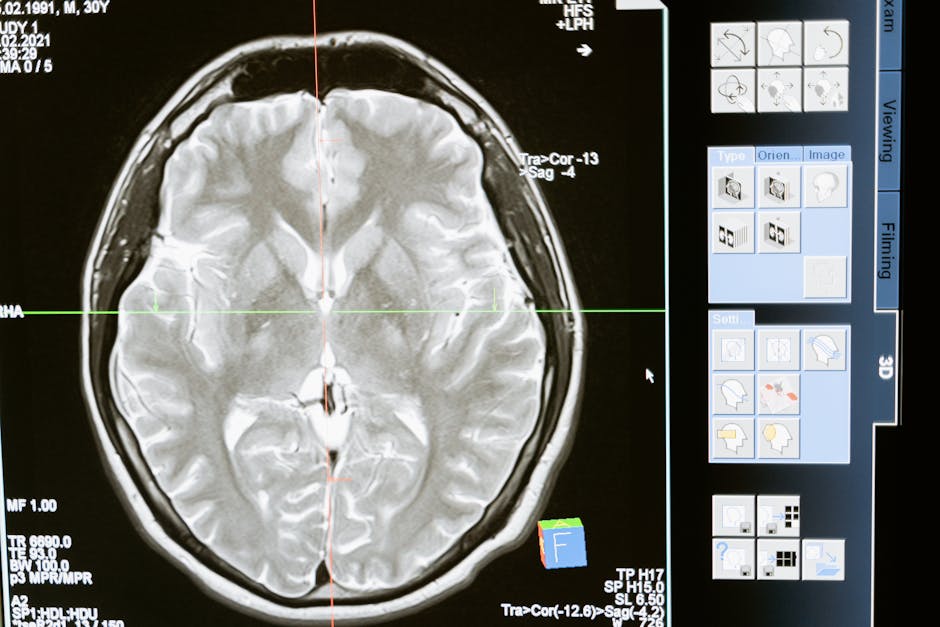
Brain scientists have observed reduced activity in the prefrontal cortex, a brain area associated with planning, judgment, and other high-level executive functions, during some intense activities. Researchers think that as activity decreases in this part of the brain, the mind temporarily alters its cognitive state and enters a state of flow. This counterintuitive finding sits at the heart of flow science. The brain doesn’t fire harder during peak performance. In key regions, it actually quiets down.
The central hypothesis is that mental states commonly referred to as altered states of consciousness are principally due to transient prefrontal cortex deregulation, with supportive evidence from psychological and neuroscientific studies of dreaming, endurance running, meditation, daydreaming, and hypnosis. Brief periods of reduced blood flow to the prefrontal cortex are associated with the flow state experienced by professional athletes and musicians, where the explicit command system relaxes and allows the implicit command system to operate unimpeded. Essentially, the part of the brain that second-guesses everything steps aside, and execution becomes seamless.
The Neurochemistry Behind Peak Performance

Dopamine, norepinephrine, anandamide, serotonin, and endorphins are released simultaneously during deep flow, creating a neurochemical cocktail that accounts for the performance enhancement and addictive quality of flow states. Each one plays a specific role. Norepinephrine hones focus as a form of data acquisition, dopamine improves pattern recognition as data processing, anandamide accelerates lateral thinking by widening the database searched by the pattern recognition system, and endorphins help to modulate stress levels and keep you calm along the way.
Areas related to the brain’s dopaminergic reward system are more active during flow, with activity of the reward system tending to coincide with feelings of optimism, positive mood, and feeling energized or motivated. Dopamine can also reduce feelings of fatigue or discomfort, fitting with important dimensions of flow such as intrinsic motivation and a relentless dedication to a task. Serotonin, while not directly involved during the flow state itself, shows up afterwards, providing a sense of achievement and tranquility, almost as a reward to the brain to say that was great, do it again. The neurochemical sequence has a clear start, middle, and end.
Why Elite Performers Work in 90-Minute Windows

Studies on elite performers, including musicians, athletes, and chess players, consistently reveal that top practitioners rarely sustain deep concentration for more than four to five hours per day, and when they do work intensely, the effort naturally divides into roughly 90-minute sessions. This isn’t coincidence. Ultradian rhythms represent one of the most compelling intersections of neuroscience, chronobiology, and applied human performance, and what Nathaniel Kleitman identified in the mid-twentieth century has since been corroborated by EEG studies, hormonal assays, and contemporary performance data from elite practitioners.
During the first 30 minutes of a focus session, the brain fires up its attention networks, while the next 45 minutes mark the peak performance zone where creative solutions flow and complex problems become more manageable. In the final 15 minutes, subtle signals emerge: the mind starts to wander, and there is more restlessness. These are not signs of laziness but the brain’s natural indicators that it’s time for a break. Elite performers have learned, often intuitively, to respect that signal rather than fight it.
The Mathematics of Distraction

Here’s where the 90-minute window becomes truly fragile. Landmark research by Gloria Mark at the University of California, Irvine, established that it takes an average of 23 minutes and 15 seconds to fully regain deep focus after a single disruption. Let that sink in for a moment. A notification that takes three seconds to glance at costs nearly half an hour of deep work time. It takes that long to reach the same level of flow that existed before the interruption, meaning that if you are interrupted three times, you are losing almost an hour of productive work.
Most people require 15 to 25 minutes of uninterrupted focus before the neurochemical cascade of flow begins, which is why even brief interruptions are so costly to deep work productivity. A single distraction like checking a notification can reset this process entirely. A study by the University of California, Irvine indicates that the average worker is interrupted every two to three minutes during the workday. Given a 23-minute recovery time, that math is genuinely alarming. Most people never actually reach full flow during a standard workday at all.
Cognitive Overload and the Hidden Cost of Pushing Through

There’s a natural temptation to treat mental fatigue as something to overcome. Push harder, drink more coffee, keep going. The neuroscience, though, tells a different story. When you ignore the 90-minute signal and continue working without recovery, the brain doesn’t maintain its performance plateau. It slides. The cost of interruption is even higher when employees work on complex tasks like strategic planning, coding, or analysis, with a 2024 study in the Work journal finding that interruptions during complex tasks lead to a sharper increase in perceived stress and mental overload compared to routine tasks.
Multitasking compounds the problem significantly. Multitasking is not efficient; it’s simply rapid task switching, which increases attention residue and slows down overall productivity. Research shows that distracted employees make approximately half again as many errors as their focused counterparts. The brain’s processing capacity is genuinely limited, not as a flaw, but as a feature. It was never built for parallel high-load execution, and forcing it in that direction has measurable, quantifiable costs.
How to Actually Work With Your Brain’s 90-Minute Formula

Understanding the rhythm is one thing. Using it is another. The practical application is straightforward: treat a 90-minute block as a complete unit of work, protect it fiercely, and then genuinely recover before starting the next one. Dedicating 90 to 120 minutes of uninterrupted time to high-priority tasks that require focus, and scheduling demanding tasks during periods of peak energy, are among the most evidence-supported strategies for activating flow.
Beyond productivity, the neuroscience of flow also highlights emotional and physiological benefits, with a 2019 study from the University of Otago finding that people who experience flow regularly report higher levels of well-being, purpose, and happiness. The neurochemicals released during flow, like dopamine and serotonin, are directly associated with reducing anxiety and depression. By following 90-minute cycles, people experience deeper focus, enhanced creative output, and more energy at the end of the day. The formula, then, isn’t really a constraint. It’s an instruction manual for getting the most out of a brain that was always capable of extraordinary things, just not all day, every day, without rest.
Conclusion

The 90-minute limit isn’t a weakness to manage around. It’s the actual design. Every high-output period your brain produces has a natural ceiling, and trying to extend past it doesn’t buy more performance. It just borrows from tomorrow. The real competitive advantage isn’t more hours. It’s fewer, better ones, structured to match how the brain actually works rather than how we wish it would.
Most people spend their days fighting their own biology, mistaking restlessness for weakness and exhaustion for dedication. The evidence points clearly in the other direction. Work with the 90-minute rhythm, protect the focus window, recover deliberately, and repeat. The formula isn’t complicated. The hard part is believing your brain when it tells you it’s done for now.