

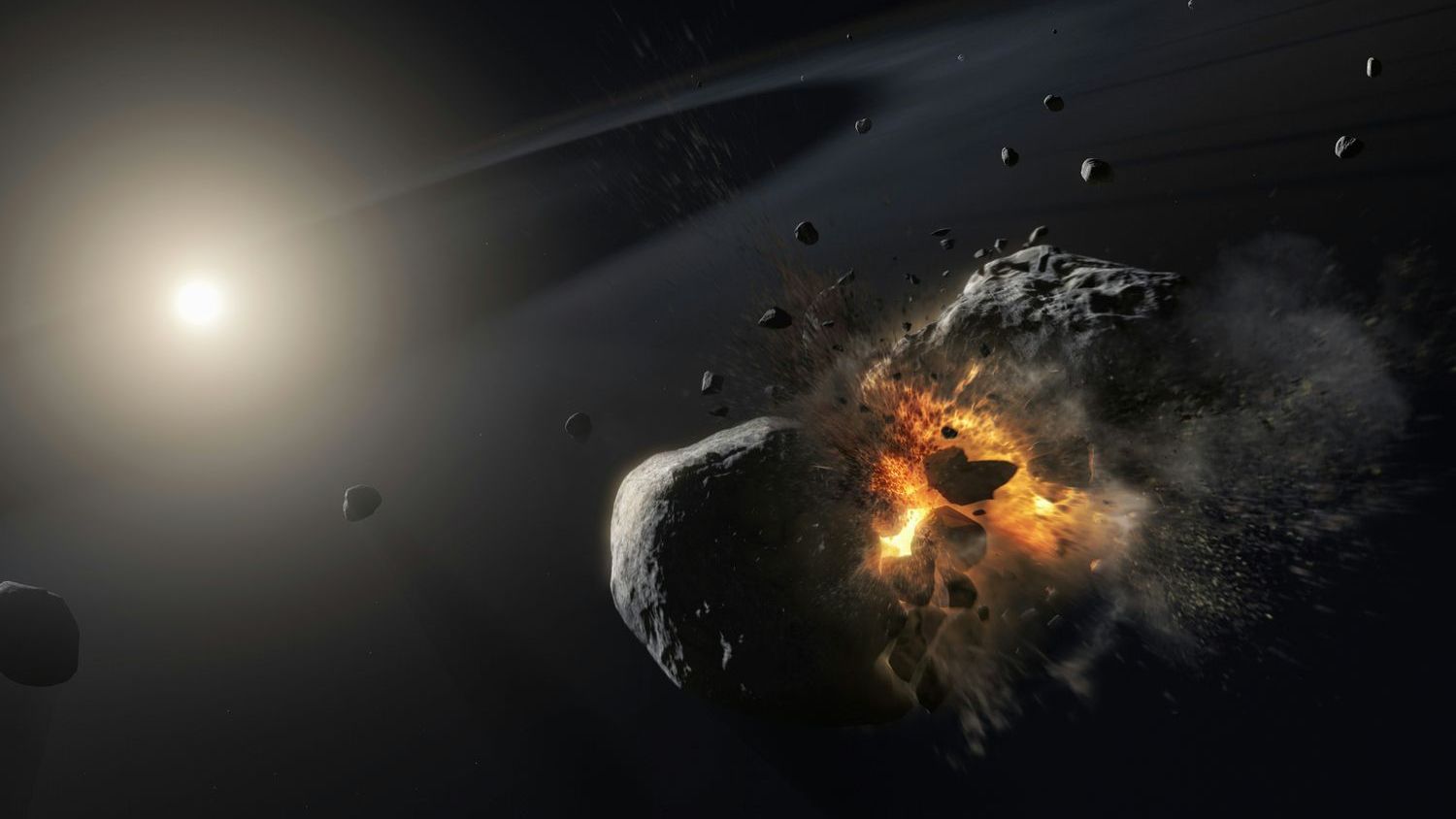
Plants survived the dinosaur-killing asteroid by duplicating genomes, study suggests – Image for illustrative purposes only (Image credits: Unsplash)
Sixty-six million years ago, an asteroid roughly the size of Mount Everest slammed into Earth and triggered one of the most severe mass extinctions in the planet’s history. Non-avian dinosaurs vanished, along with about a third of all species. Yet many flowering plants endured the darkness, acid rain, and temperature swings that followed. A study published in the journal Cell now points to an unexpected biological mechanism that may explain their resilience: the accidental duplication of entire genomes.
The Scale of the Catastrophe
The impact released enormous amounts of dust and soot that blocked sunlight for months or years. Global temperatures swung wildly, and ecosystems on land and in the oceans collapsed. Most large animals and many smaller ones could not recover. Flowering plants, however, showed a different pattern. Fossil records indicate that while some plant groups disappeared, others persisted and later diversified. Researchers have long wondered what allowed certain lineages to rebound when so much else did not.
One clue lies in the way plant genomes sometimes double. This process, known as whole-genome duplication, occurs naturally when errors during cell division copy every chromosome. The extra set of genetic material is usually lost over time, but occasionally it persists and provides raw material for new traits. The Cell study examined whether such events clustered around the extinction boundary and whether they correlated with survival.
How Extra Gene Copies May Have Aided Recovery
Plants that carried duplicated genomes appear to have possessed greater genetic flexibility. With two copies of each gene, one version could continue its original function while the second evolved new roles. This redundancy may have helped plants adjust to sudden changes in light, water, and soil chemistry after the impact. Species without such duplications, by contrast, had fewer options for rapid adaptation.
The advantage was not immediate. Genome duplication itself does not confer instant hardiness. Instead, it created a larger pool of genetic variation that natural selection could act upon in the unstable centuries that followed the asteroid strike. Over generations, some duplicated genes became specialized for stress responses, nutrient uptake, or reproductive strategies suited to the altered environment. The study suggests this process gave certain flowering-plant lineages a measurable edge in reoccupying devastated landscapes.
Evidence from the Published Research
By comparing the genomes of living plants with those of species known to have existed before and after the extinction, the researchers identified a spike in whole-genome duplications near the 66-million-year mark. The timing aligns with the period of environmental upheaval rather than occurring randomly. Not every duplicated genome led to success; many lineages still went extinct. The pattern, however, is statistically stronger than expected by chance alone.
The findings remain suggestive rather than definitive. Scientists cannot directly observe events from millions of years ago, and other factors such as seed dispersal, pollination partnerships, and habitat preferences also influenced survival. The Cell paper therefore frames genome duplication as one contributing factor among several, not a universal explanation. Further work will be needed to test whether the same pattern holds across additional plant families and to clarify how duplicated genes interacted with the specific stresses of the post-impact world.
Key points from the research
- Whole-genome duplications occurred more frequently around the time of the asteroid impact.
- Plants carrying extra gene copies showed higher rates of survival and later diversification.
- The mechanism provided genetic flexibility rather than immediate protection.
- Other ecological traits also played important roles in recovery.
Understanding these ancient genetic events offers more than historical interest. It highlights how sudden environmental shocks can favor organisms with built-in genetic redundancy. In an era of rapid climate change, similar principles may help scientists predict which modern plant species are better equipped to cope with new stresses. The plants that outlasted the dinosaurs did so not through strength or speed, but through an accidental doubling of their genetic instructions that proved useful when the world changed overnight.