

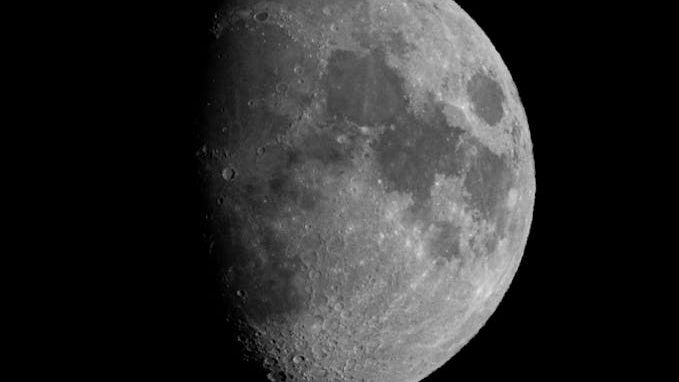
NASA’s Artemis 2 astronauts saw flashes on the far side of the moon that cameras struggle to capture. Here’s why scientists are excited – Image for illustrative purposes only (Image credits: Pexels)
The Artemis 2 crew recorded several impact flashes on the moon during their April 6 flyby. These brief, bright events occurred on the far side of the lunar surface, an area where ground-based cameras often miss similar activity. The sightings have drawn interest from scientists studying the moon’s ongoing bombardment by small objects.
Details of the April 6 Observations
Astronauts aboard the Orion spacecraft noted the flashes while passing behind the moon. Each event appeared as a sudden point of light lasting only a fraction of a second. Mission planners had prepared for possible visual detections, yet the actual number of flashes exceeded initial expectations for a single pass.
The far-side location added value to the reports. That hemisphere receives less continuous monitoring from Earth, so astronaut eyes provided direct confirmation of activity that automated systems sometimes overlook. The crew logged the times and approximate positions of each flash for later analysis.
Why Cameras Often Miss These Events
Standard lunar cameras face limits in sensitivity and field of view. Many operate at lower frame rates or focus on broader surface mapping rather than rapid transients. Impact flashes from small meteoroids produce light too brief and faint for most instruments to register reliably.
Human observers can adjust focus and attention in real time. This flexibility allowed the Artemis 2 team to catch events that pre-flight simulations suggested might remain hidden from the spacecraft’s imaging suite. The difference underscores a practical advantage of crewed missions for certain types of data collection.
Next Steps for Lunar Science Teams
Researchers now plan to cross-check the astronaut reports against any available spacecraft imagery. They will also compare the timing of the flashes with known meteoroid streams to identify possible sources. These steps should help refine models of how often small impacts occur on the moon.
Future Artemis missions may incorporate updated camera settings or additional sensors based on these findings. The current observations remain preliminary, and scientists continue to assess how representative the April 6 events are of typical lunar conditions.
Key points: Human sightings filled gaps left by cameras; far-side flashes confirmed ongoing surface activity; data will guide sensor improvements for later flights.