

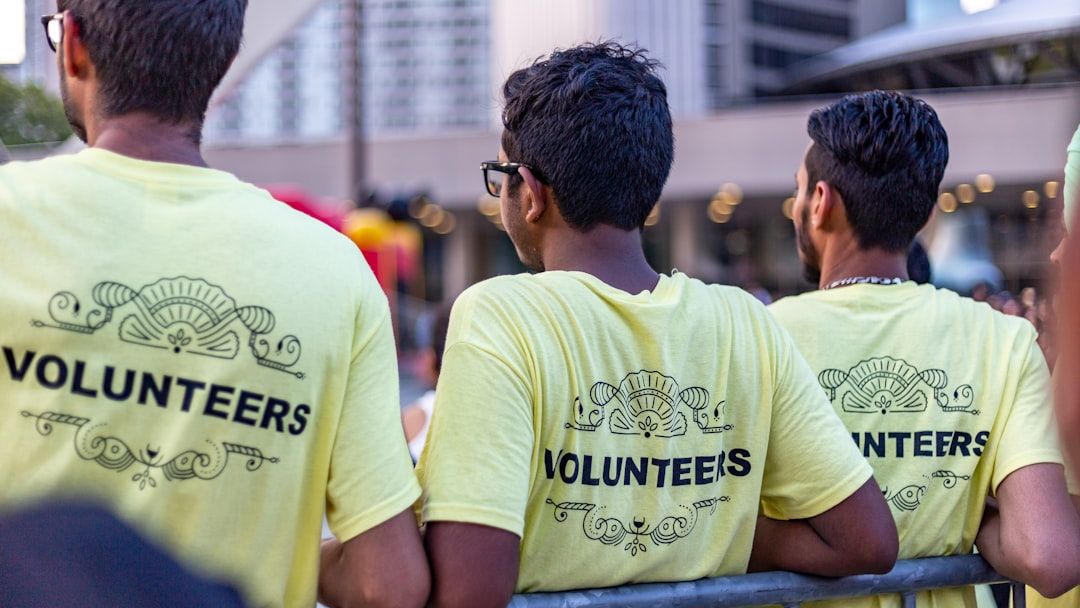
Local Charities Helping Seniors in North Carolina – Image for illustrative purposes only (Image credits: Unsplash)
North Carolina’s senior population continues to grow, with nearly one in five residents now age 65 or older. Many older adults face rising costs for food, housing, and medical care while living on fixed incomes. Local nonprofits, churches, and volunteer networks step in to fill gaps that government programs alone cannot always cover. These groups focus on immediate, practical support tailored to specific counties and cities.
Where to Begin in an Emergency
When a senior risks losing housing, running out of food, or facing a utility shutoff, quick action matters most. Calling 2-1-1 connects callers to nearby resources, while direct contact with a local food bank or crisis ministry often yields faster results. Funds for rent or utilities tend to run out early in the month, so reaching out at the first sign of trouble improves the chances of receiving help. Many organizations require proof of address and income, yet they prioritize seniors with the greatest need.
Food Assistance Spread Across Regions
Food banks serve as the most accessible entry point for many older adults because they rarely require extensive paperwork. In central and eastern counties, the Food Bank of Central and Eastern North Carolina operates pantries, mobile markets, and senior-specific boxes. Western residents turn to MANNA FoodBank, which covers mountain counties and the Qualla Boundary through partner sites and a helpline. Charlotte-area seniors can contact Nourish Up for groceries and meal deliveries, while northwest counties rely on Second Harvest Food Bank of Northwest North Carolina for pantry referrals and community meals. These programs often adjust hours, so calling ahead prevents wasted trips. Food support frees limited cash for medicine and other essentials, though availability can shift with donations and volunteer capacity.
Regional differences mean a senior in Asheville may need different contacts than one in Raleigh or Wilmington. Most pantries ask only for ZIP code and household size rather than age verification. When food costs remain the main burden, these groups can also guide applicants toward broader nutrition programs without replacing them.
Housing Repairs, Rides, and Caregiver Relief
Home safety modifications such as ramps and grab bars help seniors remain independent longer. Habitat for Humanity affiliates, Rebuilding Together, and WARM NC provide critical repairs for low-income homeowners, though waitlists are common and eligibility often depends on ownership status. NC Baptist Aging Ministry connects volunteers with frail adults for smaller projects like smoke alarms and light yard work. Transportation remains a persistent challenge in rural areas, where volunteer ride programs through groups like the Center for Volunteer Caregiving offer medical and grocery trips with advance notice. Caregiver support comes from organizations such as Dementia Alliance NC and Senior Resources of Guilford, which provide respite options, support groups, and planning assistance. These services reduce isolation but rarely cover daily hands-on care.
Legal Aid and Health Clinics for Complex Needs
Legal Aid of North Carolina’s Senior Law Project assists adults age 60 and older with housing disputes, benefits appeals, wills, and powers of attorney. Priority goes to those with the greatest economic need, and early contact after receiving court papers improves outcomes. Free and charitable clinics, located through the North Carolina Association of Free & Charitable Clinics, serve uninsured or underinsured seniors on a sliding scale. Hospital financial assistance programs exist statewide, yet each system maintains its own application process. Local interfaith ministries and Catholic Charities offices add short-term bill help and referrals when other options fall short.
Reaching Groups That Understand Specific Situations
Some seniors benefit most from organizations attuned to culture, language, or identity. The Carolina Aging Alliance supports older LGBTQ+ adults in the Triangle and Triad. Hispanic Federation NC provides legal services and community navigation for Spanish-speaking families. Tribal elders in the Qualla Boundary can contact Tsali Manor through the Eastern Band of Cherokee Indians. In smaller rural counties, churches and volunteer fire departments often know which nonprofit currently has open funds. Calling early in the day and keeping notes on each conversation helps track referrals when the first agency cannot assist.
Key points to remember: Start with NC 211 or a regional food bank. Prepare basic documents like photo ID and proof of address. Ask directly whether funds or services remain available this week. Follow up with another group if the first response is no.
These local efforts reflect a statewide network that adapts to changing needs and limited resources. Seniors and caregivers who reach out consistently often find the right combination of food, repairs, and support to maintain stability at home.