

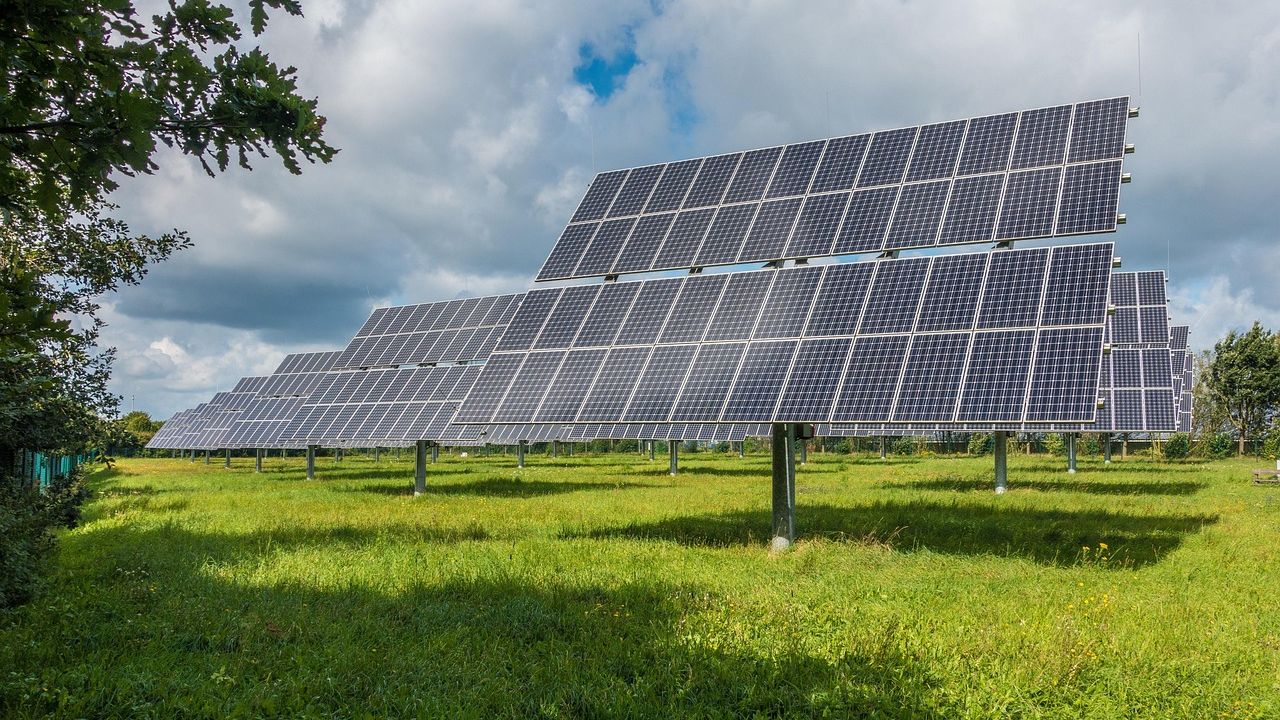
We bet you can’t guess which states rely most on wind and solar power – Image for illustrative purposes only (Image credits: Pixabay)
Many households across the country face rising energy costs and growing concerns about air quality. Recent analysis of electricity generation shows that a handful of states have already moved far ahead in shifting away from traditional sources. Iowa, South Dakota, and New Mexico now draw the largest shares of their power from wind and solar combined. This pattern challenges common assumptions about where clean energy advances fastest.
Clear Leaders Stand Out
Data from recent tracking of power generation places Iowa at the top for the combined share of electricity coming from wind and solar. South Dakota follows closely, with New Mexico rounding out the top three. These rankings focus strictly on the percentage of each state’s total electricity supply rather than total megawatts produced.
Texas and California often appear in discussions of renewable growth because of their large overall output. Yet neither ranks among the leaders when measured by the proportion of power actually delivered to homes and businesses. The distinction matters for understanding where the transition has taken deepest root.
Why Share Matters More Than Size
Absolute production numbers can mislead because larger states generate far more electricity overall. A smaller state that meets most of its needs with wind turbines or solar panels achieves a higher percentage even with modest total output. This metric better reflects how far a state has come in reducing reliance on fossil fuels for everyday use.
States that reach high percentages often benefit from strong local wind resources or abundant sunshine. Policy choices that encourage local development also play a role. The result is a more stable power supply less exposed to fuel price swings.
What Comes Next for Other States
Observers tracking national trends point to several factors that could lift additional states toward similar shares. Continued cost declines in wind and solar equipment remain central. Grid improvements that move power across regions also help.
- Expanded transmission lines to carry renewable power to demand centers
- Updated permitting rules that speed project approvals
- Storage technologies that smooth output from variable sources
- State-level targets that guide investment decisions
Progress will vary by location and existing infrastructure. Some regions face steeper hurdles from older grid systems or limited land availability.
Real-World Effects on Daily Life
Communities in the leading states already experience measurable differences. Lower emissions from power plants contribute to cleaner local air. Electricity prices in these areas have shown greater stability during periods of fossil-fuel volatility.
Broader adoption elsewhere could extend those advantages. Yet questions remain about how quickly other states can match the pace and what barriers might slow the shift. The current leaders demonstrate that meaningful change is possible, even if the path forward stays uneven.