

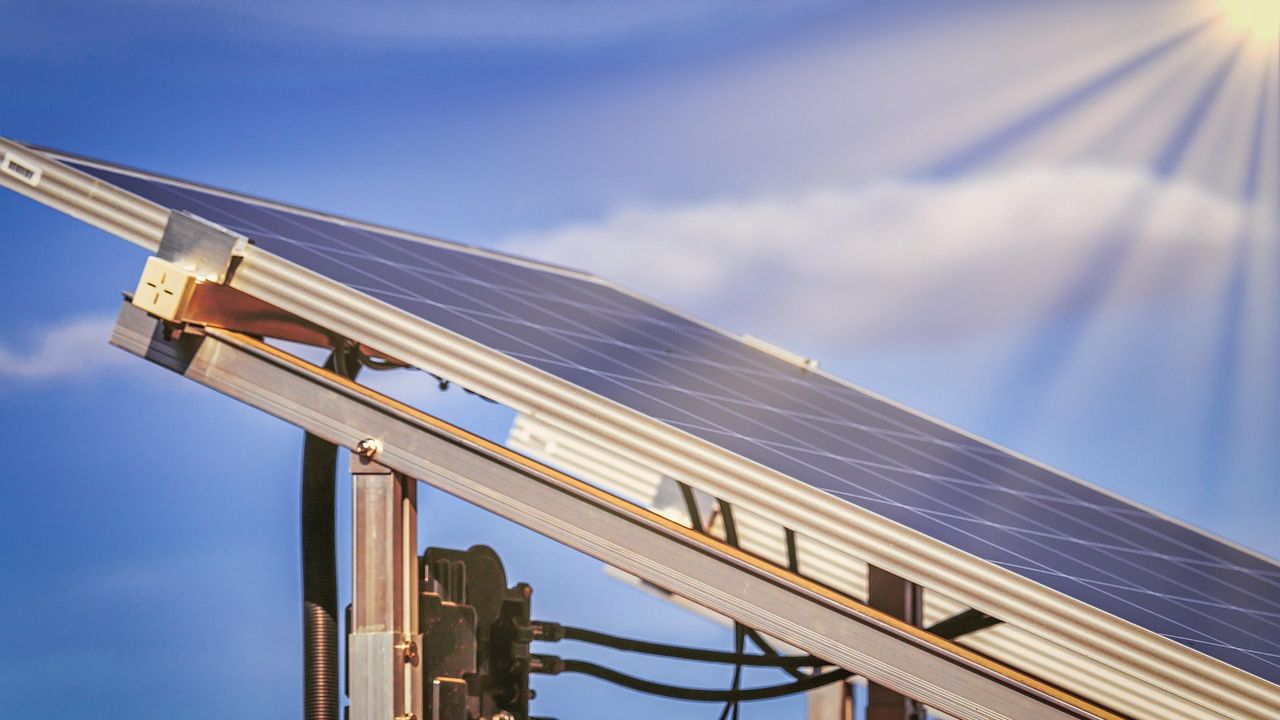
Where does balcony solar stand in your state? – Image for illustrative purposes only (Image credits: Pixabay)
Balcony solar has drawn growing attention as a straightforward way to tap into renewable energy. These compact systems consist of small panels that connect directly to a standard household outlet, allowing users to generate power without complex installations. Supporters point to their ability to lower electricity bills on their own, free from reliance on subsidies or government programs. The approach has sparked discussion about how different states handle such plug-in technology.
Core Design and Everyday Use
The systems typically include one or two panels mounted on a balcony or similar outdoor space. Once plugged in, they feed electricity into the home grid in a simple, reversible manner. This setup appeals to renters and homeowners alike who want to test solar without major commitments or permits in many cases. Early adopters report modest but noticeable reductions in their utility costs during peak sunlight hours.
Because the kits operate at low voltage, they avoid many of the safety concerns tied to larger rooftop arrays. Users can monitor output through basic apps or displays that track daily generation. Still, performance depends heavily on local sunlight levels and the orientation of the panels, factors that vary widely across regions.
State-Level Rules Create Uneven Access
Regulations governing these systems differ from one state to the next. Some jurisdictions treat them as standard appliances with minimal oversight, while others require notifications to utilities or impose size limits to protect grid stability. This patchwork means residents in certain areas can adopt the technology quickly, whereas those elsewhere face extra steps or outright restrictions.
Utilities in a number of states have begun issuing guidance on how balcony solar interacts with net metering policies. Where rules remain unclear, potential users often hesitate, unsure whether their generated power will count toward bill credits. Policymakers continue to weigh the benefits of easier access against the need for consistent safety standards.
Practical Limits and Open Questions
Output from these kits stays modest compared with full-scale solar installations, typically covering only a fraction of household needs. Shading from nearby buildings or seasonal changes can further reduce effectiveness, leaving some users with smaller savings than expected. Long-term durability of the plug-in connections also requires ongoing attention to prevent wear or electrical issues.
Research into broader grid impacts remains limited, particularly as adoption grows. Experts note that widespread use could influence local electricity demand patterns, yet the scale of any effect stays uncertain without more data. Homeowners interested in the option are advised to check current state guidelines before purchasing equipment.
Looking Ahead for Wider Adoption
Interest in balcony solar continues to build as costs for the kits decline and awareness spreads. States that streamline rules may see faster uptake, while others could lag until clearer frameworks emerge. The technology offers a low-barrier entry point into renewables, though its ultimate contribution will depend on how policies evolve in the coming months.