

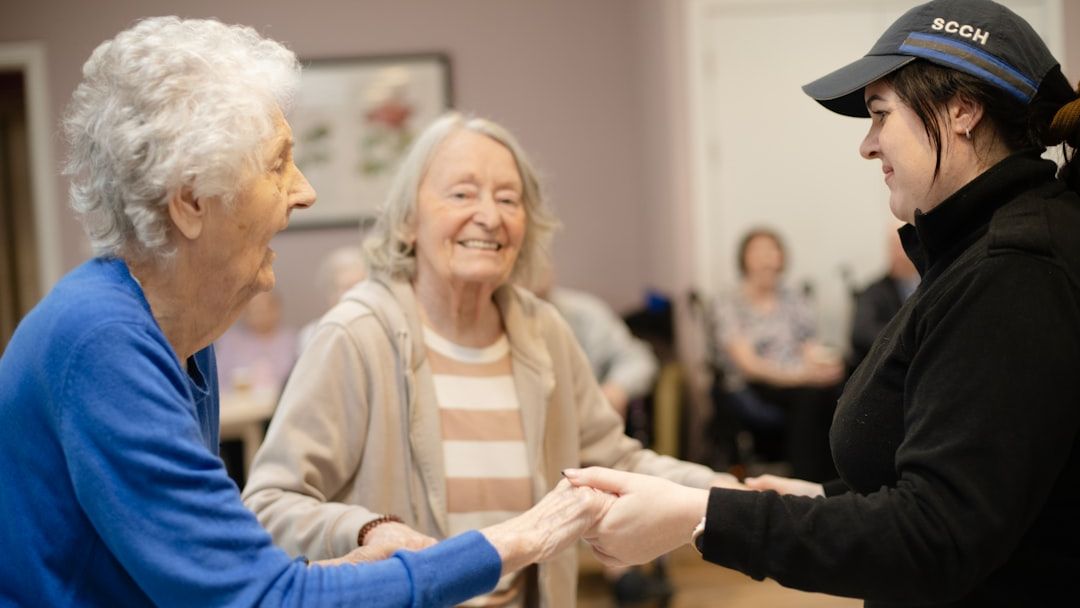
Local Charities Helping Seniors in North Dakota – Image for illustrative purposes only (Image credits: Unsplash)
Many older adults across North Dakota struggle with rising costs for food, heat, and medical travel, especially in rural counties where public transit is limited. Local charities and nonprofits often fill these gaps with targeted aid that government programs cannot always reach quickly. These community groups focus on practical needs such as groceries, equipment loans, and short-term bill assistance, helping seniors maintain independence without long waits for official approvals.
Key Starting Points for Urgent Requests
Residents facing immediate shortages benefit most from a few established networks that cover the entire state. Great Plains Food Bank connects seniors to more than 200 partner pantries, mobile stops, and senior food boxes through a simple county-based finder. Community Action agencies operate in all 53 counties and handle emergency rent, utility payments, and weatherization referrals when funds allow.
NDAD stands out for disability-related needs, offering equipment loans, ramp installations, and medical travel support from offices in Bismarck, Fargo, and other cities. FirstLink 2-1-1 serves as a central referral line for anyone unsure where to begin. These organizations emphasize calling ahead, since hours and availability shift with donations and weather.
Food Access and Daily Essentials
Food remains the most straightforward entry point for many seniors. Pantries through Great Plains Food Bank often provide low-sodium options and allow family members to pick up boxes when mobility is an issue. In smaller towns, service may occur only once or twice a month, so residents are advised to check multiple locations within the same county.
Churches and faith-based groups such as the Salvation Army and St. Vincent de Paul add flexibility for one-time needs like clothing or gas cards. These volunteers typically require proof of local residency and a recent bill or notice before distributing limited resources. Catholic Charities North Dakota focuses more on counseling and referrals than direct bill payments.
Transportation and Home Safety Options
Getting to appointments poses a major barrier outside the larger cities. NDAD and Handi-Wheels in the Fargo area arrange wheelchair-accessible rides, though most programs require bookings several days in advance. Valley Senior Services delivers hot meals and provides transportation across six eastern counties for eligible adults age 60 and older.
Home repairs follow a similar pattern. NDAD assists with grab bars and accessibility modifications when medical documentation is supplied. Community Action agencies link households to weatherization programs that improve furnace safety and energy efficiency. Habitat for Humanity affiliates handle minor fixes such as painting or ramp work in select counties, yet waiting lists are common and proof of ownership or landlord approval is usually needed.
Additional Support for Caregivers and Legal Matters
Caregivers can connect with the Alzheimer’s Association Minnesota-North Dakota chapter for support groups and education resources. Lutheran Social Service of Minnesota coordinates Senior Companion volunteers who offer friendly visits and errands in participating communities. These programs depend on local funding and volunteer availability, so callers should confirm current openings by county.
Legal Services of North Dakota provides free civil help for housing disputes, benefits appeals, and elder-law questions through its senior helpline. High Plains Fair Housing addresses discrimination complaints, while nonprofit clinics in Fargo and Grand Forks offer sliding-fee medical and dental care. Seniors are encouraged to gather photo identification, income statements, and any denial letters before contacting these groups to speed up intake.
Practical Limits and Next Steps
Charities generally cannot cover ongoing rent, replace long-term care, or guarantee same-day assistance in every area. Most operate under income guidelines, service-area rules, and monthly budgets that may allow help only once per year. When a request is denied, staff often suggest the next logical contact or advise calling the utility or landlord directly for a payment plan.
Residents who prepare a short folder of documents and state their county, age, and exact deadline tend to receive faster guidance. Persistent follow-up through 2-1-1 or related agencies frequently uncovers additional pathways even after an initial refusal. These networks continue to adapt as needs evolve, underscoring the ongoing role of community volunteers in supporting North Dakota’s older population.