

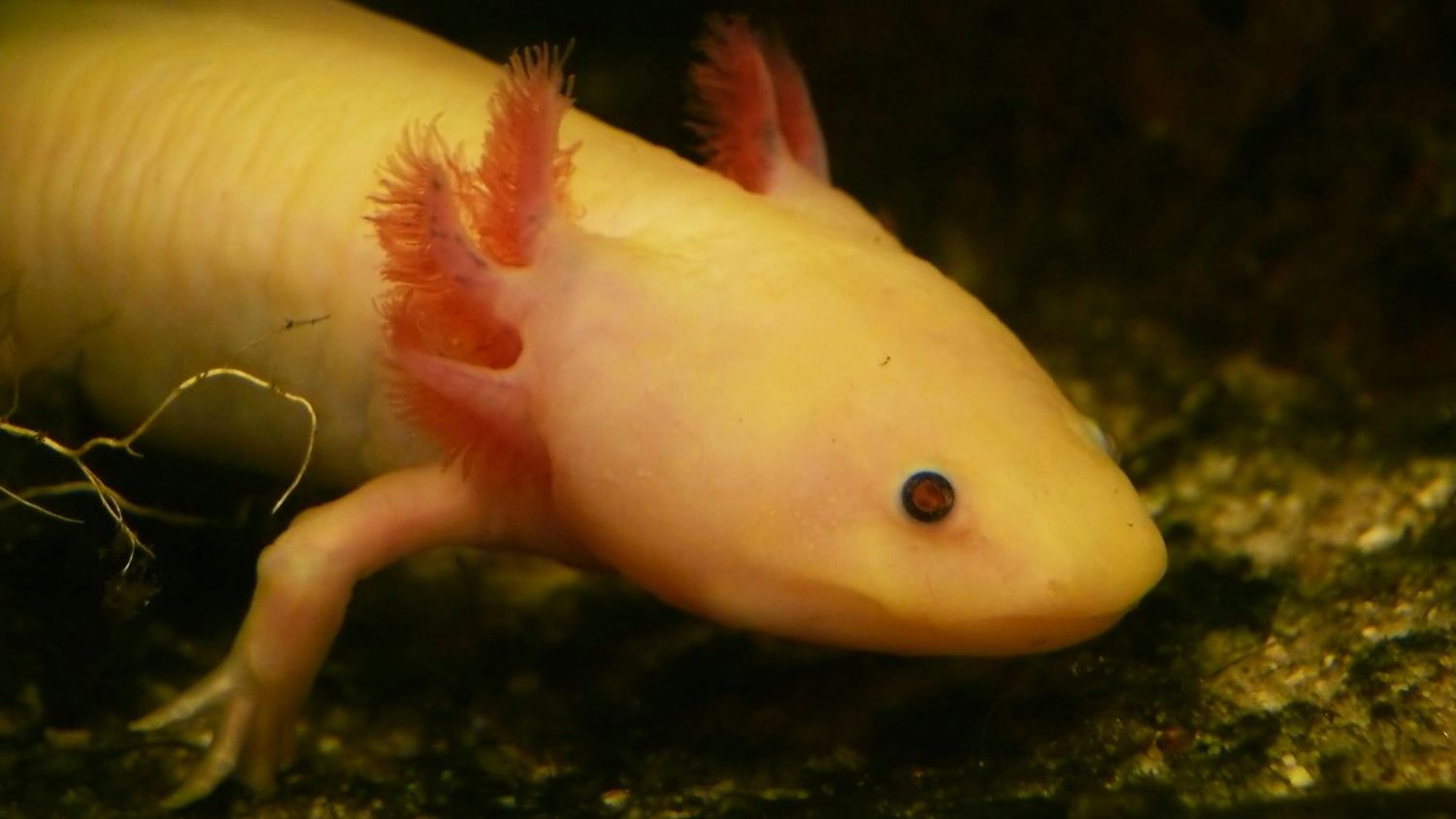
Scientists found the “holy grail” gene that could one day help humans regrow limbs – Image for illustrative purposes only (Image credits: Unsplash)
Researchers examining regeneration across species have pinpointed a set of genes that appear central to the process of regrowing lost body parts. The work centers on axolotls, zebrafish, and mice, where these genes, dubbed SP genes, show consistent activity during tissue repair. Disrupting them halts proper bone formation, while targeted interventions drawn from zebrafish biology have produced partial recovery in mice. The findings point to a shared biological mechanism that could eventually inform treatments for human injuries.
Regeneration Across Species
Axolotls stand out for their ability to regrow entire limbs, including bones, nerves, and muscles, without scarring. Zebrafish demonstrate similar talents with fin regrowth, while mice show more limited repair after injury. By comparing these models, scientists isolated the SP genes as a common thread. These genes activate during the early stages of regeneration and help coordinate the rebuilding of skeletal structures.
The shared presence of SP genes across such different animals suggests an ancient pathway that evolution has preserved. In each case, the genes respond to damage signals and direct cells to form new tissue. This consistency offers a clearer picture of why some creatures heal so effectively while others, including humans, do not.
Testing the SP Genes
When researchers disabled the SP genes in axolotls and mice, bone regrowth failed to proceed normally. The animals formed incomplete or malformed structures instead of functional limbs or digits. This direct interference confirmed the genes’ essential role rather than a secondary effect.
Building on that observation, the team developed a gene therapy approach modeled on zebrafish regeneration patterns. Application of this therapy in mice led to measurable improvement in tissue repair. The restored areas showed better organization and partial bone formation, though full limb regrowth remained out of reach.
Implications for Human Medicine
Current prosthetics replace function but cannot restore living tissue. A therapy based on SP gene insights could shift that balance by encouraging the body to rebuild its own structures. Early results in mice indicate the approach is feasible, yet significant gaps remain before any human application.
Key points so far:
- SP genes are active in axolotls, zebrafish, and mice during regeneration.
- Blocking the genes stops proper bone repair in tested animals.
- Zebrafish-inspired therapy produced partial recovery in mice.
- Human trials and full limb restoration are still distant goals.
Further studies must determine how to activate these genes safely in larger mammals and whether the same signals work in human cells. Safety concerns, including uncontrolled cell growth, will require careful evaluation. The research establishes a foundation but leaves many mechanistic details unresolved.
Next Steps in the Field
Scientists plan to refine the gene therapy delivery methods and test combinations with other known regeneration factors. Expanded animal models will help map how SP genes interact with surrounding tissues over longer periods. These efforts aim to close the gap between partial repair and complete restoration.
Progress in this area could eventually reduce reliance on artificial replacements for severe injuries. The work also highlights the value of studying diverse species to uncover solutions hidden in nature. Continued investigation will clarify whether the holy grail gene can translate into practical medical advances.